



Stock status
Showing 13–24 of 32 results
Green Bell Pepper
Green bell peppers are one of the most commonly consumed vegetables worldwide. They belong to the Capsicum genus and are part of the nightshade family, which also includes tomatoes, potatoes, and eggplant. Unlike their red, yellow, and orange counterparts, green bell peppers are harvested before they fully ripen, giving them a more bitter and grassy flavor.

Green Cabbage
Green cabbage is a dense, leafy vegetable with a pale green color and a mild, slightly sweet flavor. It’s rich in nutrients and commonly used in salads, soups, stir-fries, and fermented dishes like coleslaw or sauerkraut.

Iceberg Lettuce
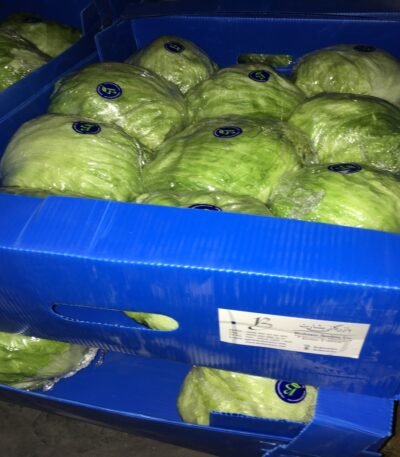
Iceberg lettuce is a crisp, round-headed leafy green known for its mild flavor and refreshing crunch. Commonly used in salads, burgers, and wraps, it adds texture and volume to a variety of dishes.

Lamb Fresh and Frozen
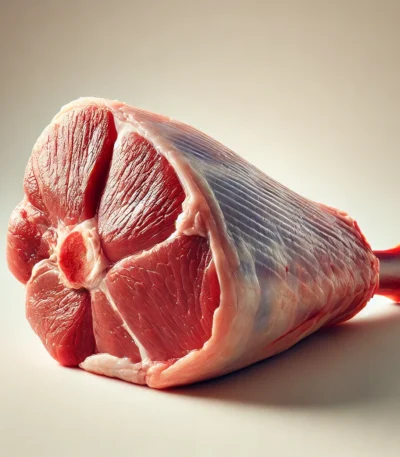
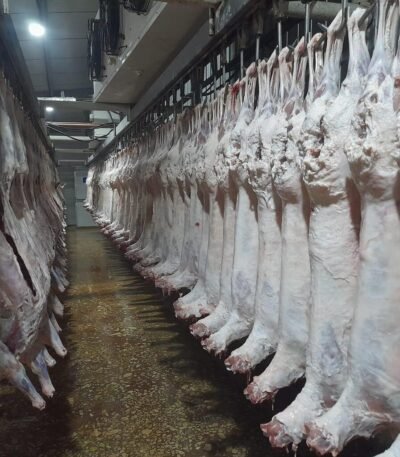
Lamb is a tender, flavorful cut ideal for roasting, grilling, or slow cooking. It’s rich in protein, iron, and essential nutrients, making it a classic choice for hearty meals.

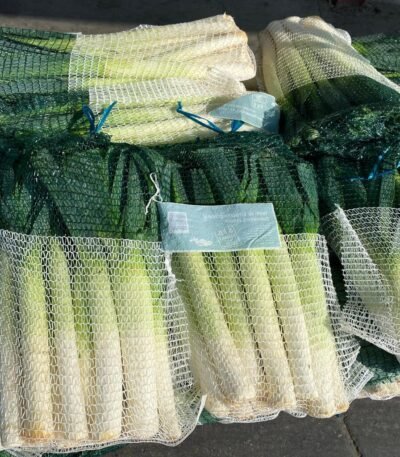
Leeks
Leeks are long, mild-flavored vegetables from the allium family, known for their white stalks and green tops. They’re used in soups, stews, and sautés, adding a delicate onion-like flavor.

Lollo Rosso
Lollo Rosso is a frilly, red-tinged lettuce known for its crisp texture and mildly bitter flavor. A popular choice in salads, it adds both color and crunch to healthy dishes.

Long Green Chili
Long Green Chili is a slender, elongated pepper known for its vibrant green color and mildly spicy flavor. It’s a staple in many cuisines, adding heat and aroma to various dishes.

Parsley
Parsley is a bright, aromatic herb commonly used as a garnish or flavor enhancer in a wide variety of dishes. Known for its fresh taste and health benefits, it’s a staple in both cooking and natural remedies.

Persian Pickling Cucumber
Persian Pickling Cucumber is a small, crisp, and spiny-skinned cucumber known for its intense flavor and crunchy texture. Ideal for fresh eating or traditional pickling.
Online Sports Nutrition and Natural Dietetics.
Chances are there wasn't collaboration, communication, and checkpoints, there wasn't a process agreed upon or specified with the granularity required. It's content strategy gone awry right from the start. Forswearing the use of Lorem Ipsum wouldn't have helped, won't help now. It's like saying you're a bad designer, use less bold text, don't use italics in every other paragraph. True enough, but that's not all that it takes to get things back on track.
The villagers are out there with a vengeance to get that Frankenstein
You made all the required mock ups for commissioned layout, got all the approvals, built a tested code base or had them built, you decided on a content management system, got a license for it or adapted:
- The toppings you may chose for that TV dinner pizza slice when you forgot to shop for foods, the paint you may slap on your face to impress the new boss is your business.
- But what about your daily bread? Design comps, layouts, wireframes—will your clients accept that you go about things the facile way?
- Authorities in our business will tell in no uncertain terms that Lorem Ipsum is that huge, huge no no to forswear forever.
- Not so fast, I'd say, there are some redeeming factors in favor of greeking text, as its use is merely the symptom of a worse problem to take into consideration.
- Websites in professional use templating systems.
- Commercial publishing platforms and content management systems ensure that you can show different text, different data using the same template.
- When it's about controlling hundreds of articles, product pages for web shops, or user profiles in social networks, all of them potentially with different sizes, formats, rules for differing elements things can break, designs agreed upon can have unintended consequences and look much different than expected.
This is quite a problem to solve, but just doing without greeking text won't fix it. Using test items of real content and data in designs will help, but there's no guarantee that every oddity will be found and corrected. Do you want to be sure? Then a prototype or beta site with real content published from the real CMS is needed—but you’re not going that far until you go through an initial design cycle.