Key Features:
Nutrition: A good source of vitamin C, vitamin A, potassium, and antioxidants, while being very low in calories and carbohydrates.
Antioxidants: Contains lutein and zeaxanthin which support eye health and protect against cellular damage.
Health Benefits: Supports digestion, weight management, and heart health. Its fiber and water content aid in hydration and satiety.
Cooking: Can be grilled, sautéed, roasted, spiralized, or even baked into bread. Its mild flavor makes it adaptable for both savory and sweet dishes.
Seasonality: Available year-round, but peak season is summer, especially from June to August.
Uses:
Culinary: Used in stir-fries, stews, pasta dishes, salads, and even baked goods like zucchini bread. Popular in vegetarian and low-carb recipes.
Health: Frequently included in weight loss, detox, and heart-healthy diets due to its low calorie and high nutrient profile.
Varieties:
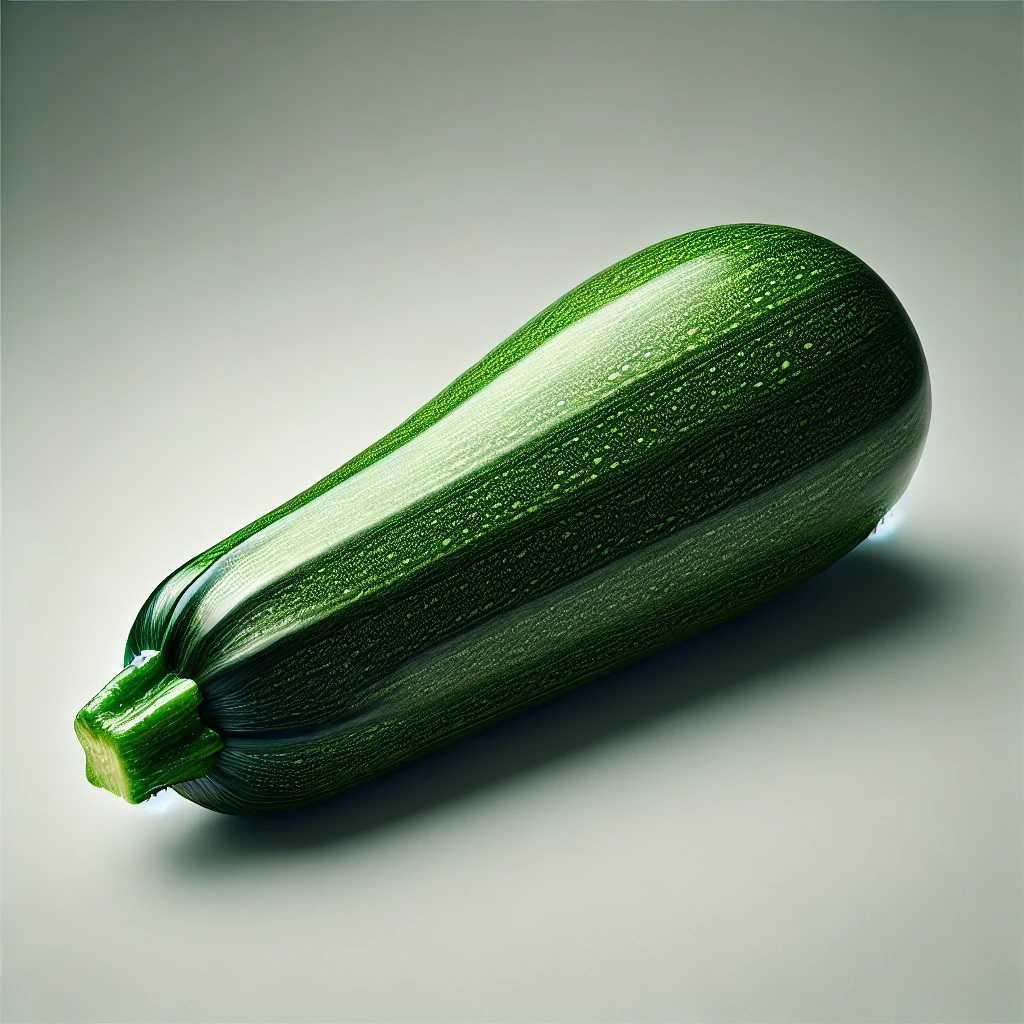
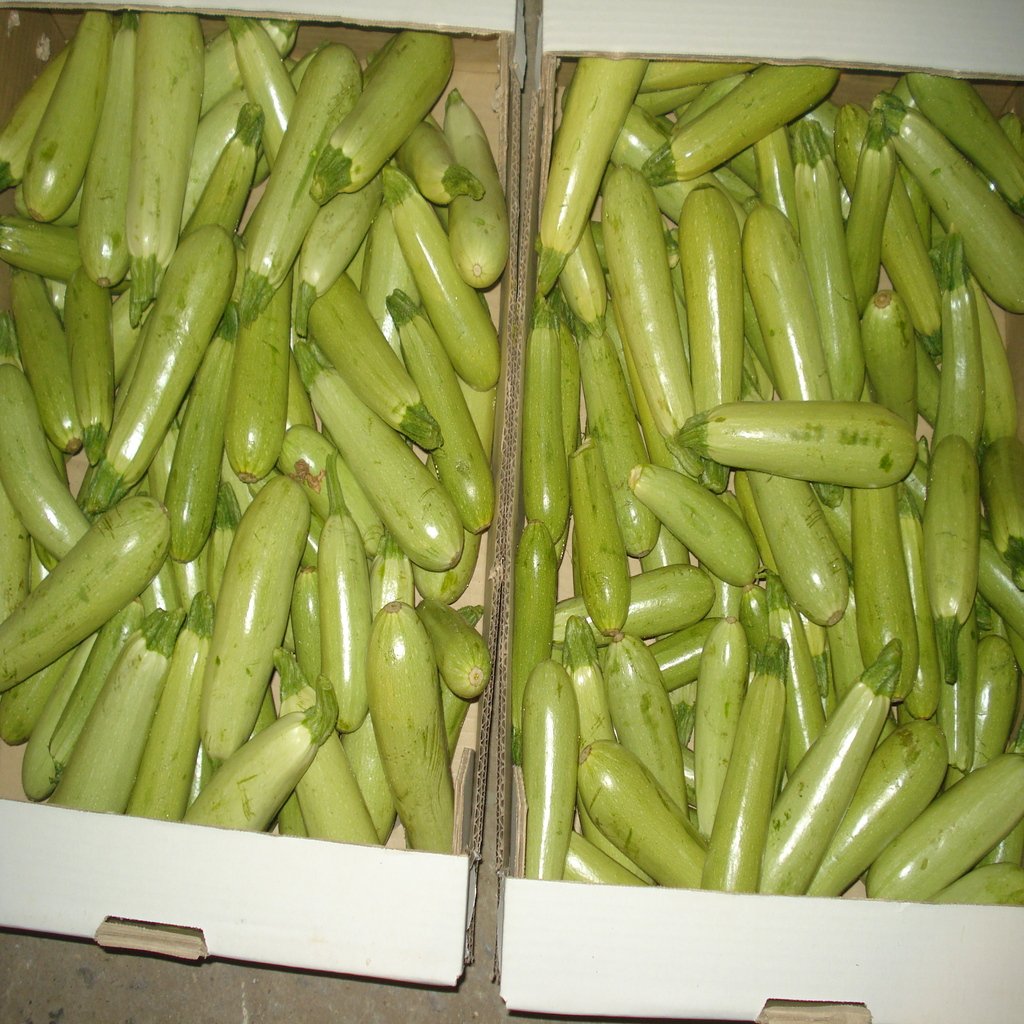
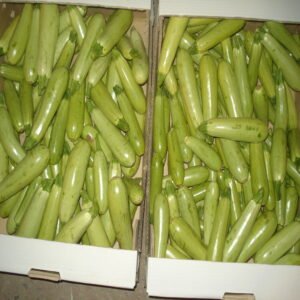
Green Zucchini: The most common type with smooth, dark green skin.
Yellow Zucchini: Similar to green but with a slightly sweeter flavor and yellow skin.
Round Zucchini: Small and spherical, ideal for stuffing or roasting.
Storage:
Refrigeration: Store unwashed in a plastic or paper bag in the refrigerator crisper drawer. Best consumed within 4–5 days.
Freezing: Can be sliced, blanched, and frozen for later use in cooked dishes.
Sustainability:
Zucchini is a fast-growing and productive crop that requires minimal resources. It’s often grown locally, making it a sustainable and eco-friendly vegetable choice.