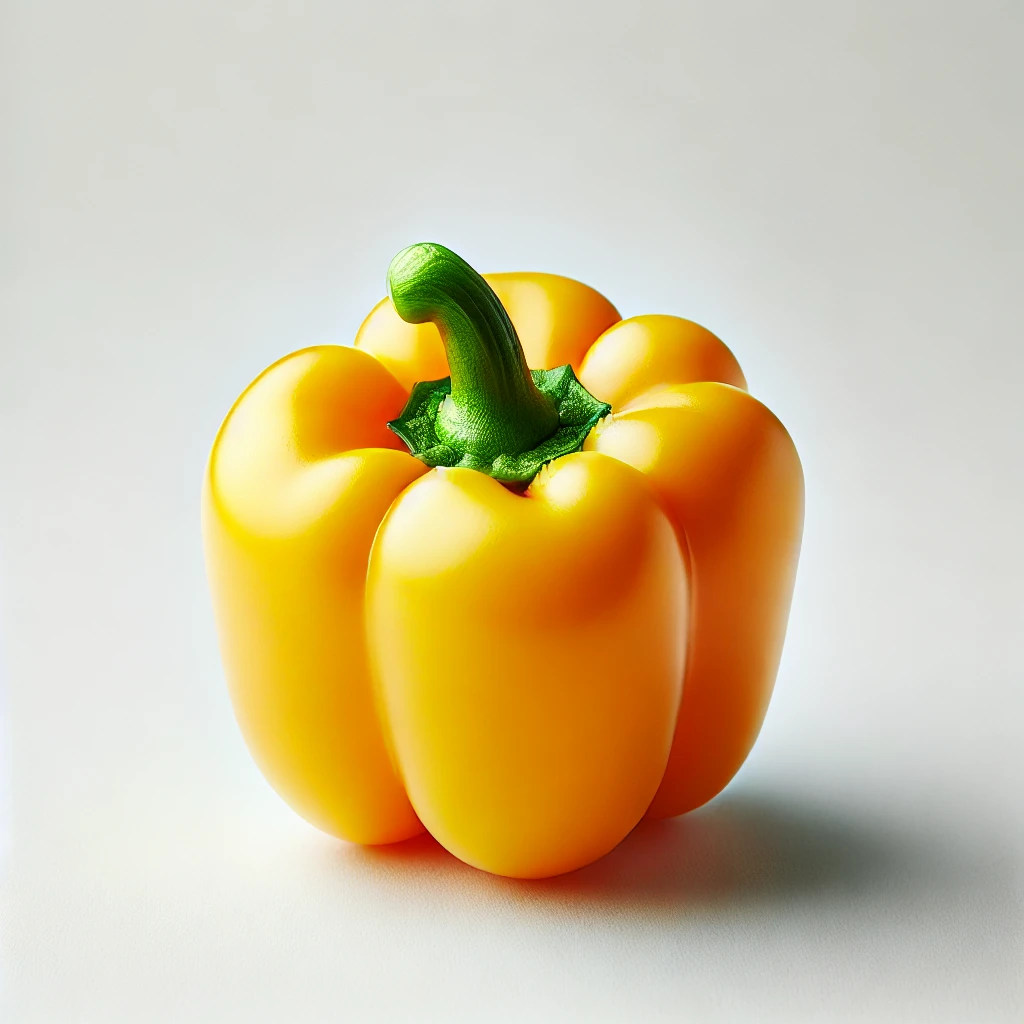
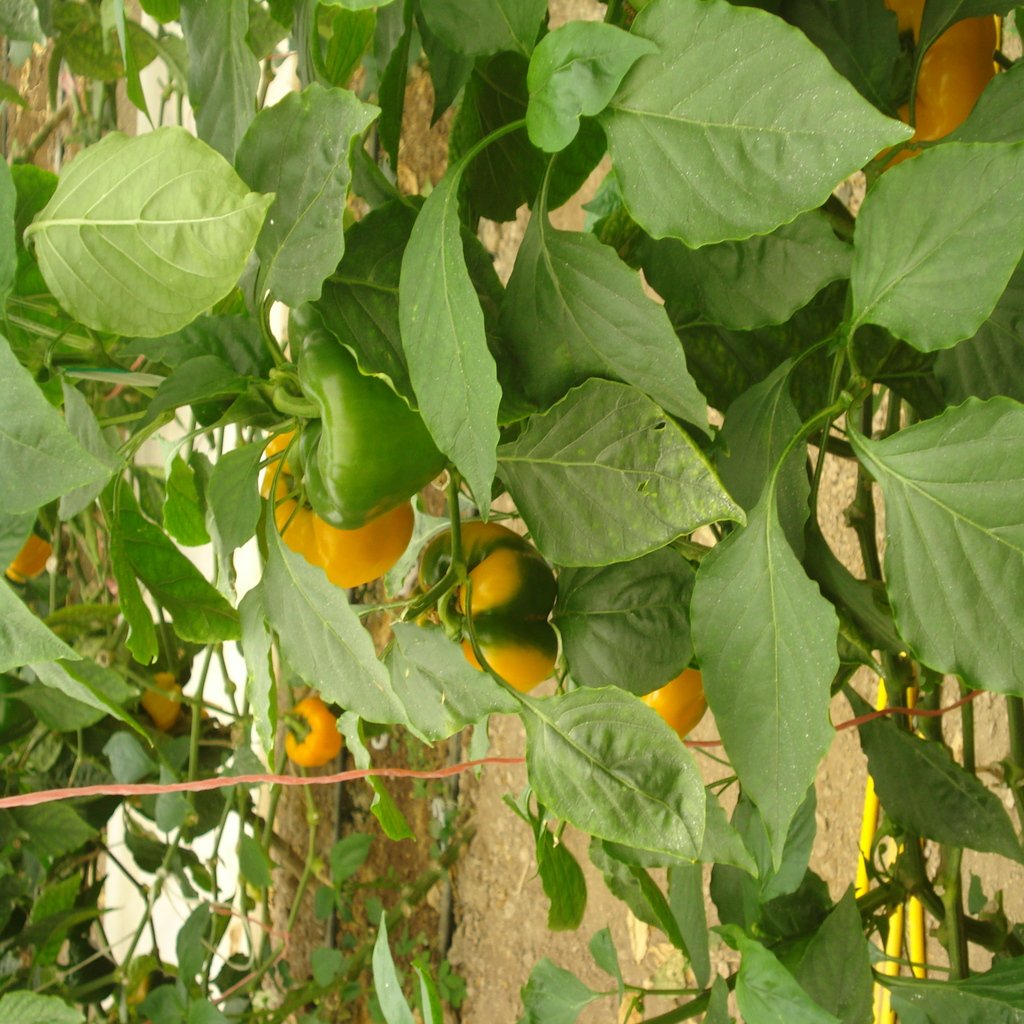
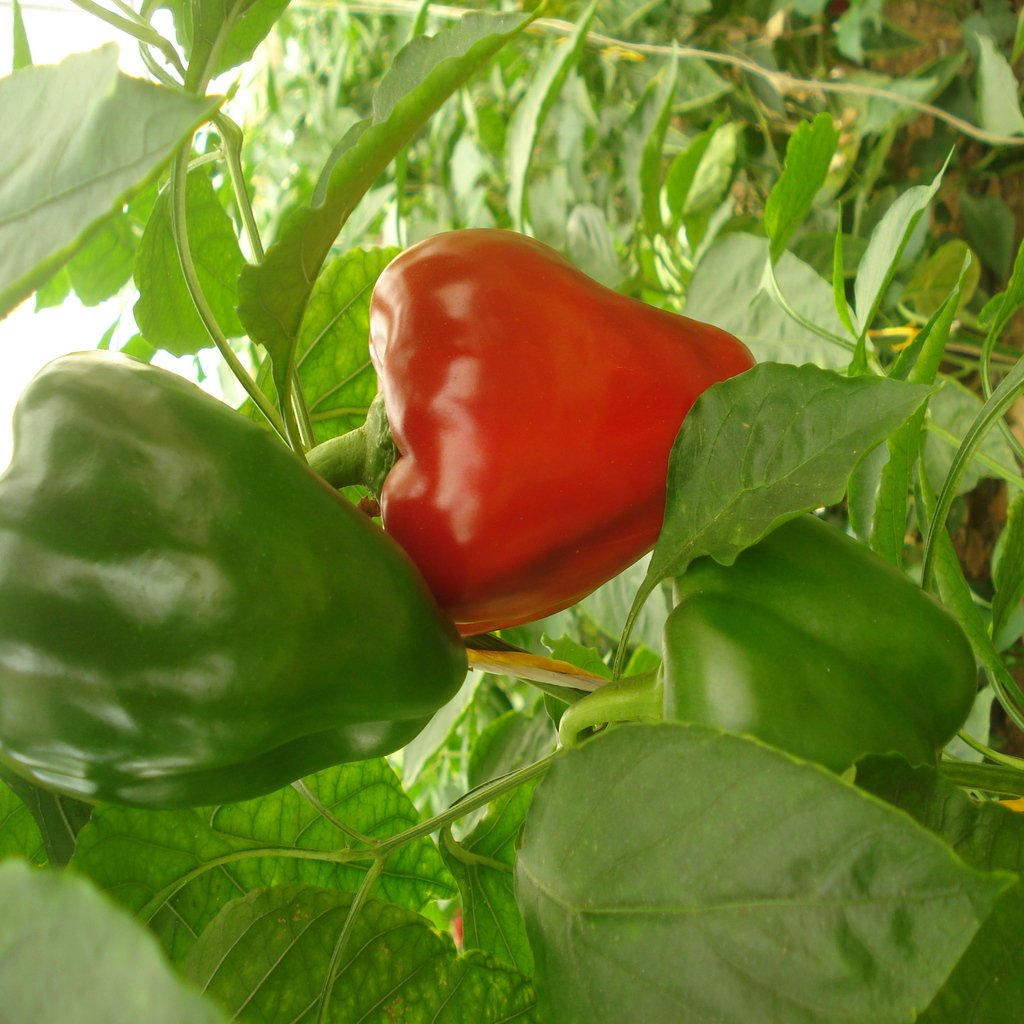
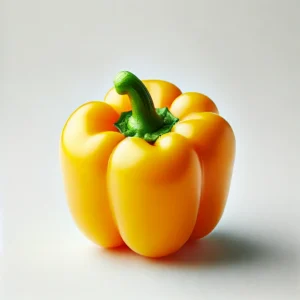
Yellow bell peppers are one of the sweetest varieties of bell peppers, with a bright yellow color. They are part of the same species as green, red, and orange bell peppers but have a distinct flavor and appearance due to the different stages of ripeness.
Appearance: Yellow bell peppers have a smooth, glossy yellow skin and a large, blocky shape. The flesh inside is crisp and thick.
Flavor: Yellow bell peppers are sweet and mild, but not as sugary as red bell peppers. They offer a slight tanginess, making them a versatile addition to various dishes.
Texture: They have a firm, crunchy texture, with a juicy interior that makes them refreshing both raw and cooked.
Nutritional Benefits:
Vitamins: Yellow bell peppers are an excellent source of vitamin C, which helps boost immunity and supports skin health. They also contain vitamin A for eye health and vitamin B6 for metabolism and nerve function.
Minerals: These peppers are rich in potassium, which is important for maintaining healthy blood pressure, and folate, which is crucial for cell division and growth.
Antioxidants: Yellow bell peppers are packed with antioxidants such as carotenoids (like beta-carotene) and flavonoids, which have anti-inflammatory properties and protect the body from oxidative stress.
Low in Calories: Like other bell peppers, yellow bell peppers are low in calories—about 25 calories per 100 grams, making them a healthy addition to any diet.
Health Benefits:
Boosts Immunity: The high vitamin C content in yellow bell peppers supports the immune system and helps combat infections.
Supports Eye Health: The vitamin A in yellow bell peppers, along with the beta-carotene, is beneficial for maintaining good vision, especially in low-light conditions.
Promotes Healthy Skin: Vitamin C plays a vital role in the production of collagen, which is essential for skin elasticity and wound healing.
Anti-inflammatory: The antioxidants in yellow bell peppers help reduce inflammation in the body, which can reduce the risk of chronic diseases such as heart disease and arthritis.
Heart Health: The combination of potassium, fiber, and antioxidants in yellow bell peppers promotes a healthy cardiovascular system by improving blood flow and reducing cholesterol levels.
Culinary Uses:
Raw: Yellow bell peppers are often used raw in salads, sandwiches, or as a crunchy snack, offering a mild sweetness.
Grilled or Roasted: Grilling or roasting yellow bell peppers brings out their sweetness and smoky flavor. They can be used in roasted vegetable dishes, on top of pizzas, or in wraps.
Stir-fries: They are a common ingredient in stir-fries, where their sweetness complements the other flavors of the dish.
Stuffed: Like other bell peppers, yellow peppers can be stuffed with rice, meat, or vegetables and baked.
Soups and Sauces: Yellow bell peppers are sometimes pureed into soups or used in sauces like ajvar (a Balkan pepper-based sauce) or salsa.
Pickled: Yellow bell peppers can be pickled for a tangy addition to dishes like sandwiches or salads.
Seasonality:
Availability: Yellow bell peppers are available year-round, but they are typically in season during the late summer to fall months when they are harvested at full ripeness.