Key Features:
Nutrition: High in vitamins A, C, and K, along with folate, fiber, and small amounts of calcium and magnesium — all supporting immunity, bone health, and digestion.
Antioxidants: Contains beta-carotene, lutein, and other antioxidants that help reduce inflammation and promote healthy skin and eyes.
Health Benefits: Supports heart health, aids digestion, and helps with hydration due to its high water content. Also promotes healthy metabolism and cellular repair.
Cooking: Commonly eaten raw in salads and wraps. Can also be lightly grilled, sautéed, or added to sandwiches for extra crunch.
Seasonality: Available year-round, with peak season in cooler months from November to April.
Uses:
Culinary: Most commonly used in Caesar salad, but also great in mixed green salads, tacos, wraps, and sandwiches.
Health: Popular in low-calorie and high-fiber diets. Offers hydration and nutrients with minimal calories.
Varieties:
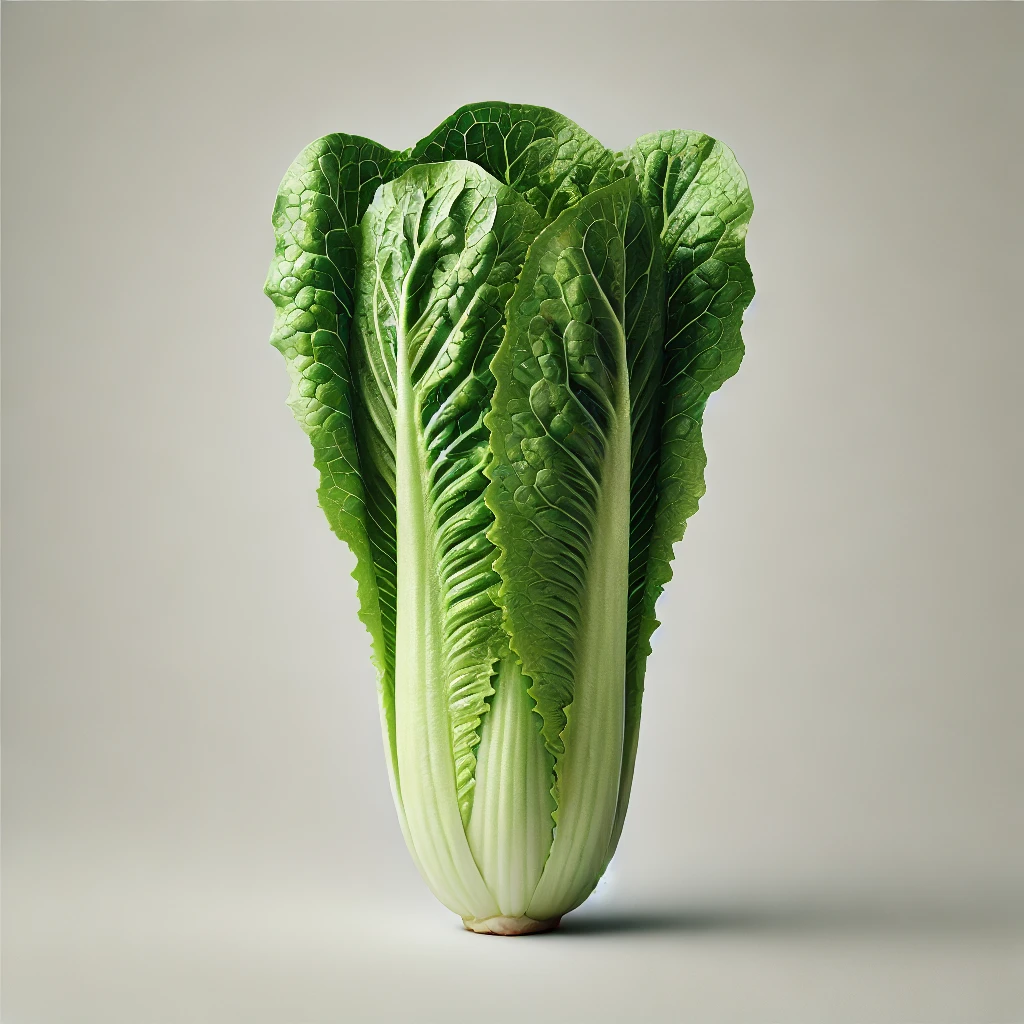
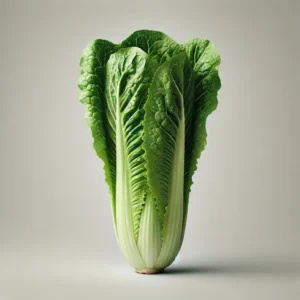
Classic Romaine: Tall, crisp leaves with a mild flavor.
Baby Romaine: Smaller, more tender leaves, often used in gourmet presentations.
Red Romaine: A slightly more colorful and nutrient-rich variation.
Storage:
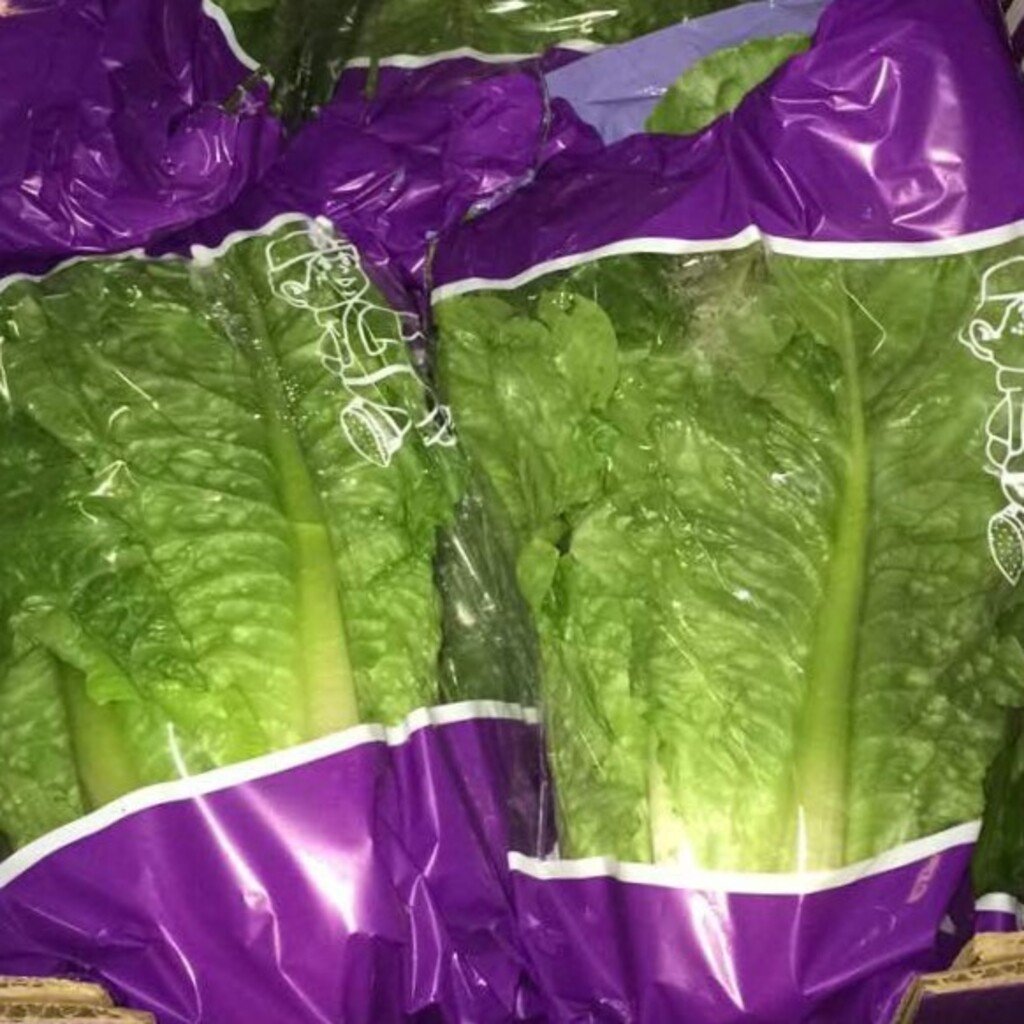
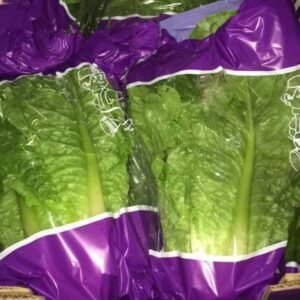
Refrigeration: Store in the refrigerator inside a perforated or breathable bag. Best used within 5–7 days for maximum crispness.
Freezing: Not recommended, as the leaves become mushy when thawed.
Sustainability:
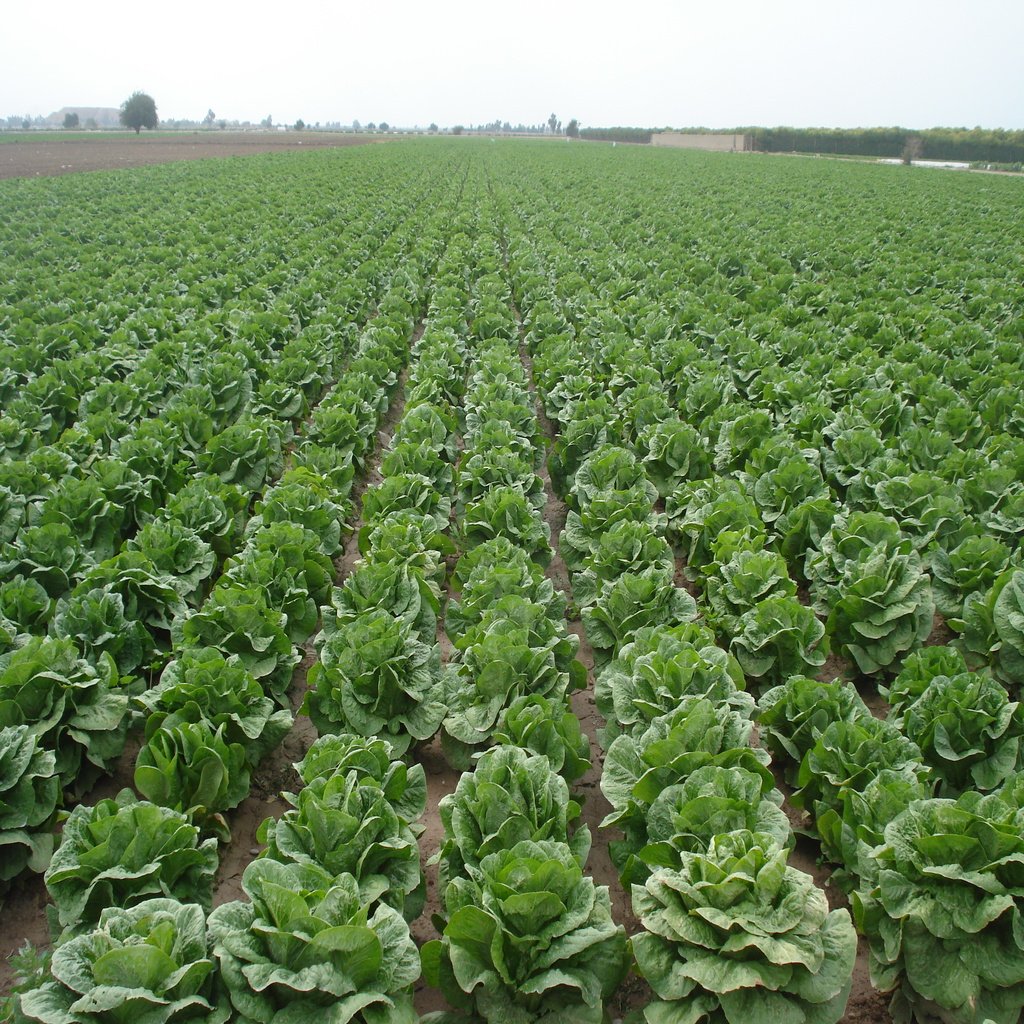
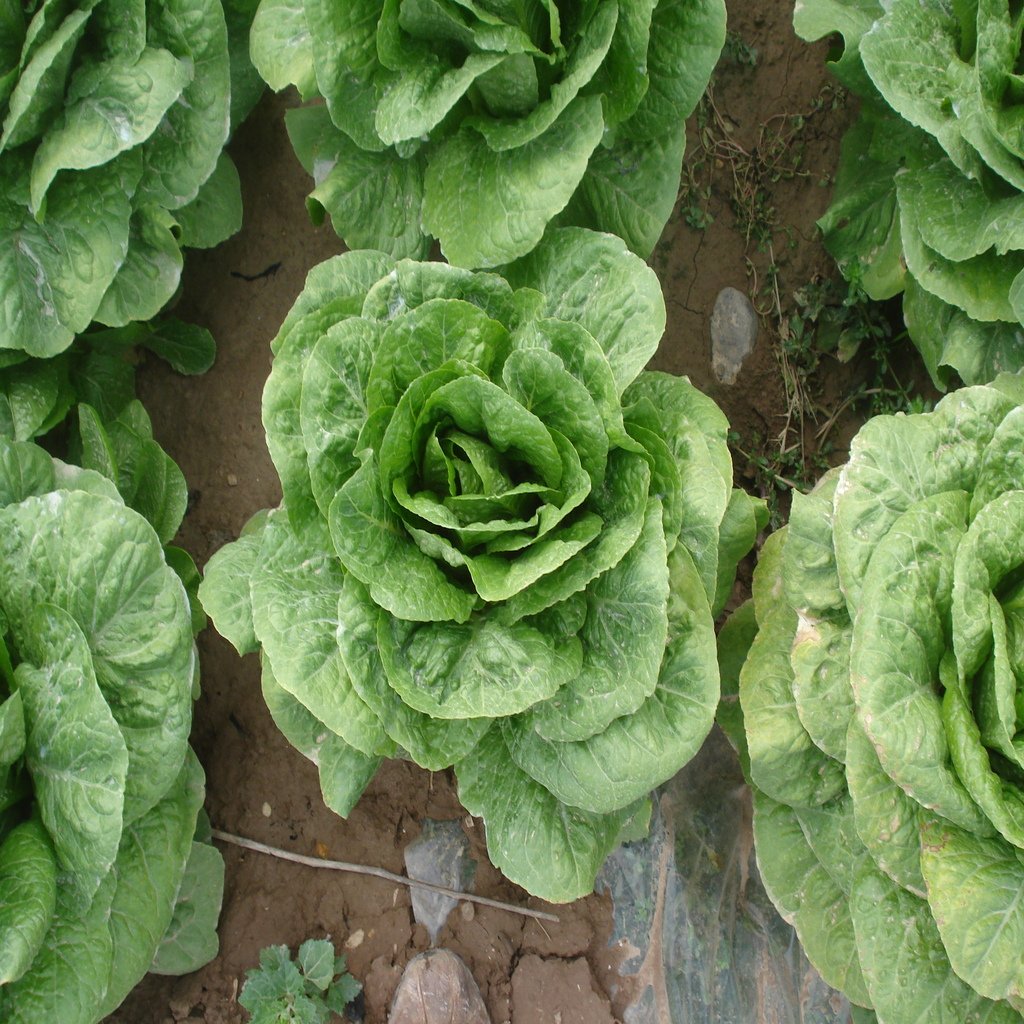
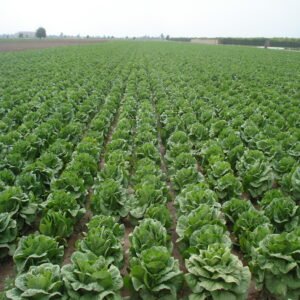
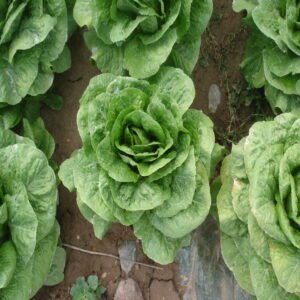
Romaine lettuce grows quickly and efficiently in temperate climates. When grown locally or organically, it’s considered a sustainable leafy green due to minimal pesticide and water requirements.