Key Features:
Nutrition: A good source of vitamin K, vitamin C, and potassium. Low in calories and high in water, helping to support hydration and healthy digestion.
Antioxidants: Contains flavonoids and tannins that help fight inflammation and oxidative stress.
Health Benefits: Supports hydration, promotes gut health, and may assist in blood sugar regulation. Its crunch and fiber make it ideal for light, healthy snacking.
Cooking: Often eaten raw, in salads, or used for pickling. Keeps its crisp texture even after fermenting.
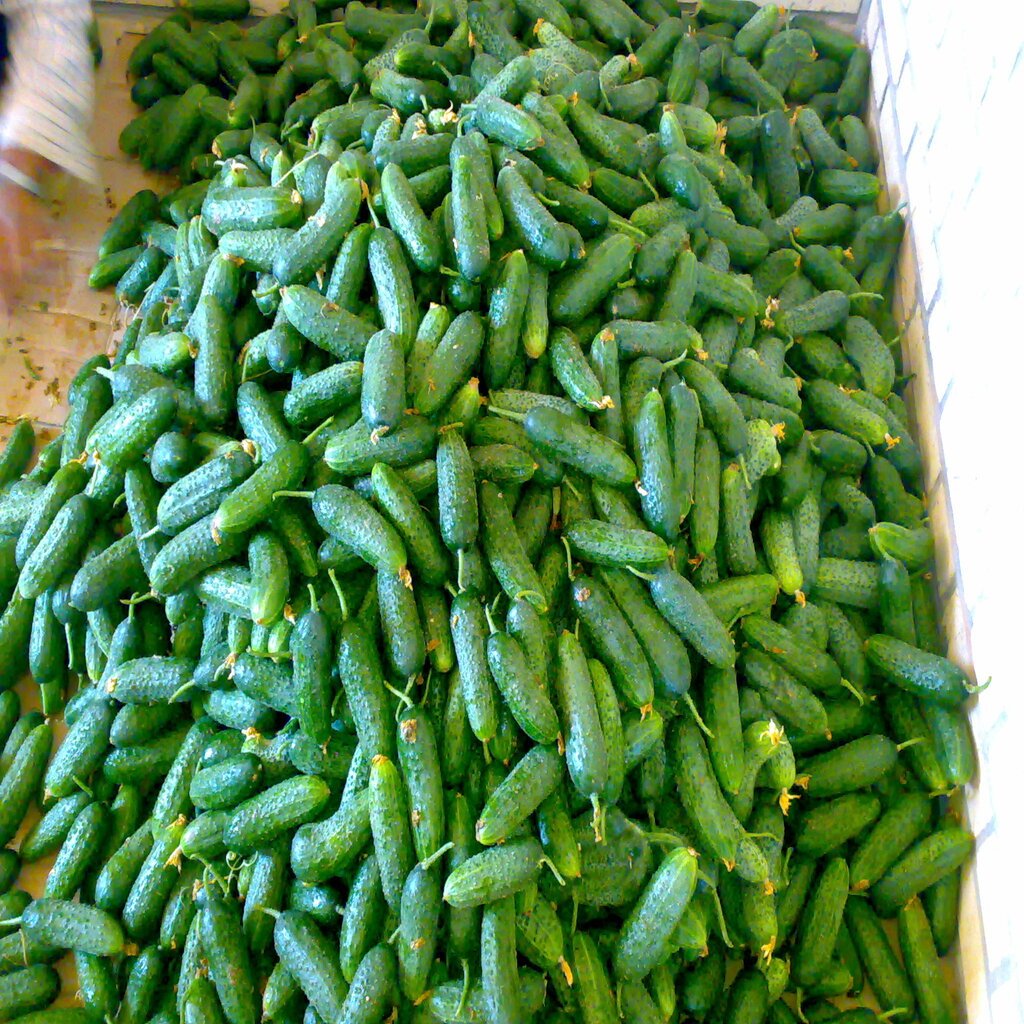
Seasonality: Available year-round, but most commonly harvested during summer months from June to September.
Uses:
Culinary: Perfect for pickling, but also eaten fresh in salads, sandwiches, or as a crunchy snack.
Health: Favored in detox diets and light meals. Supports hydration and digestion while being low in carbs.
Varieties:
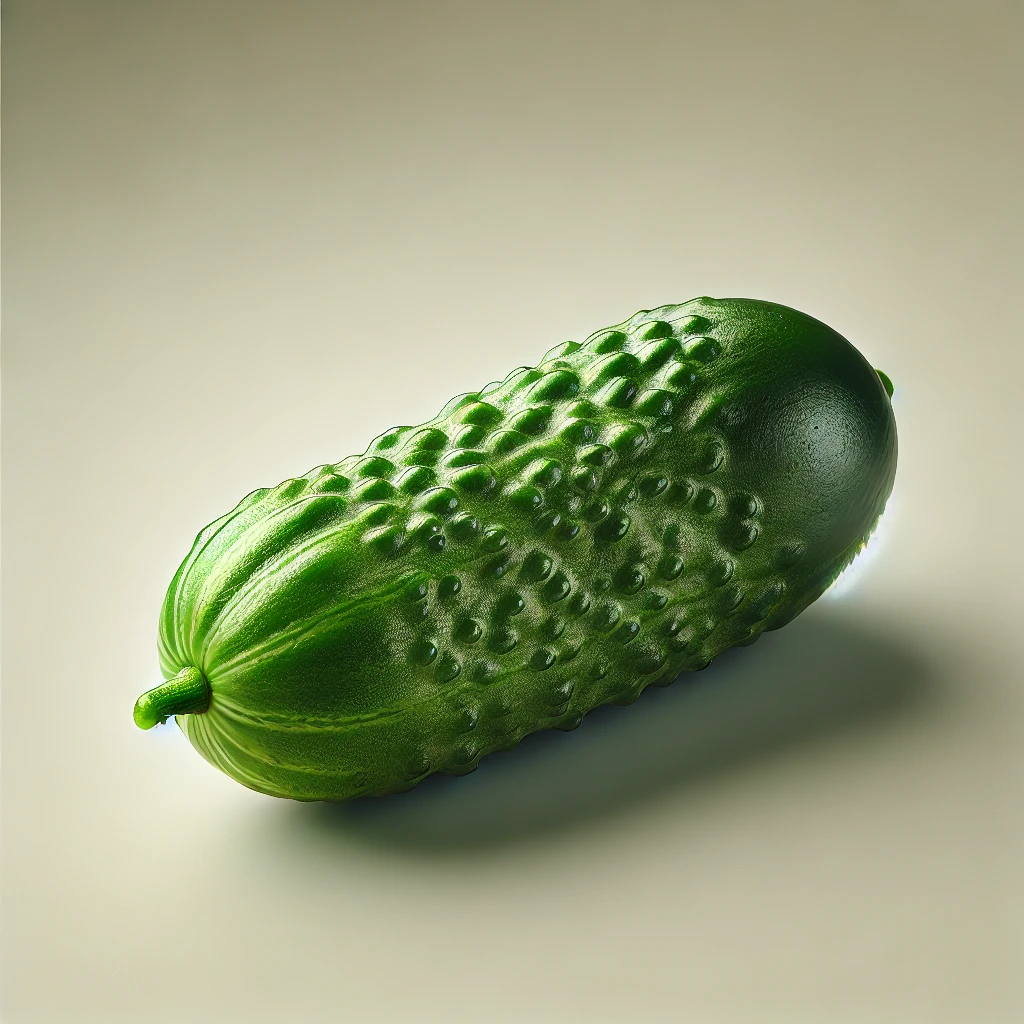
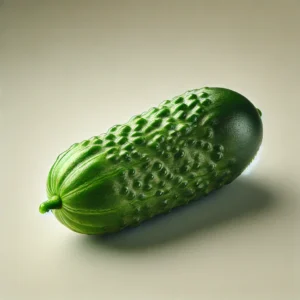
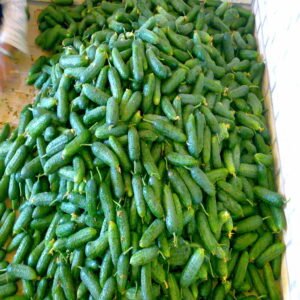
Persian Pickling Cucumber: Small, spiny, flavorful, and traditionally used in Middle Eastern pickles.
Kirby Cucumber: A slightly larger American variety also popular for pickling.
Baby Cucumber: Similar in size but with a smoother skin and milder flavor.
Storage:
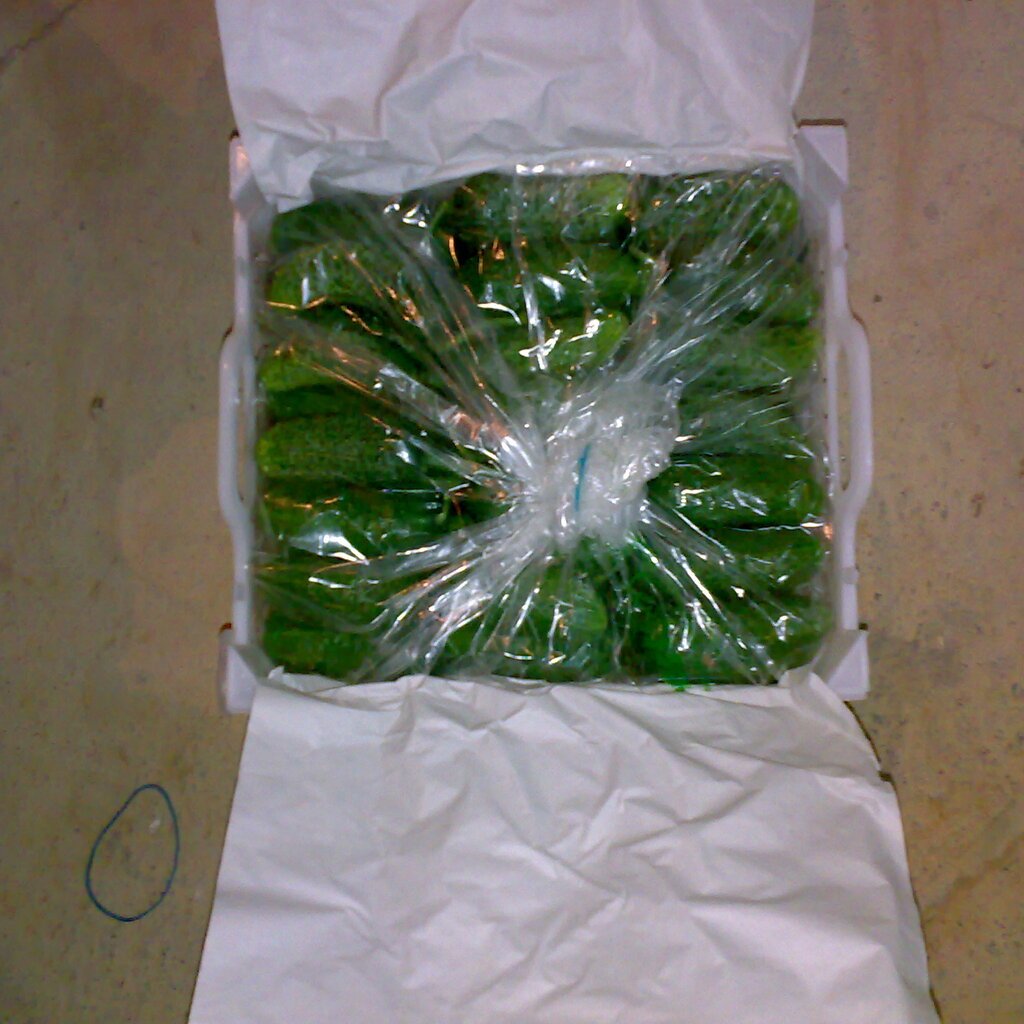
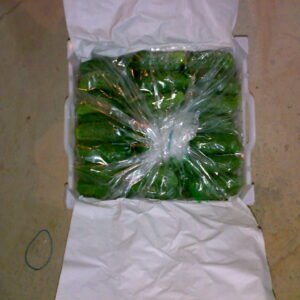
Refrigeration: Store in a breathable plastic or paper bag in the refrigerator. Best used within 5–7 days.
Freezing: Not suitable for freezing fresh. Pickled versions can be stored long-term in jars.
Sustainability:
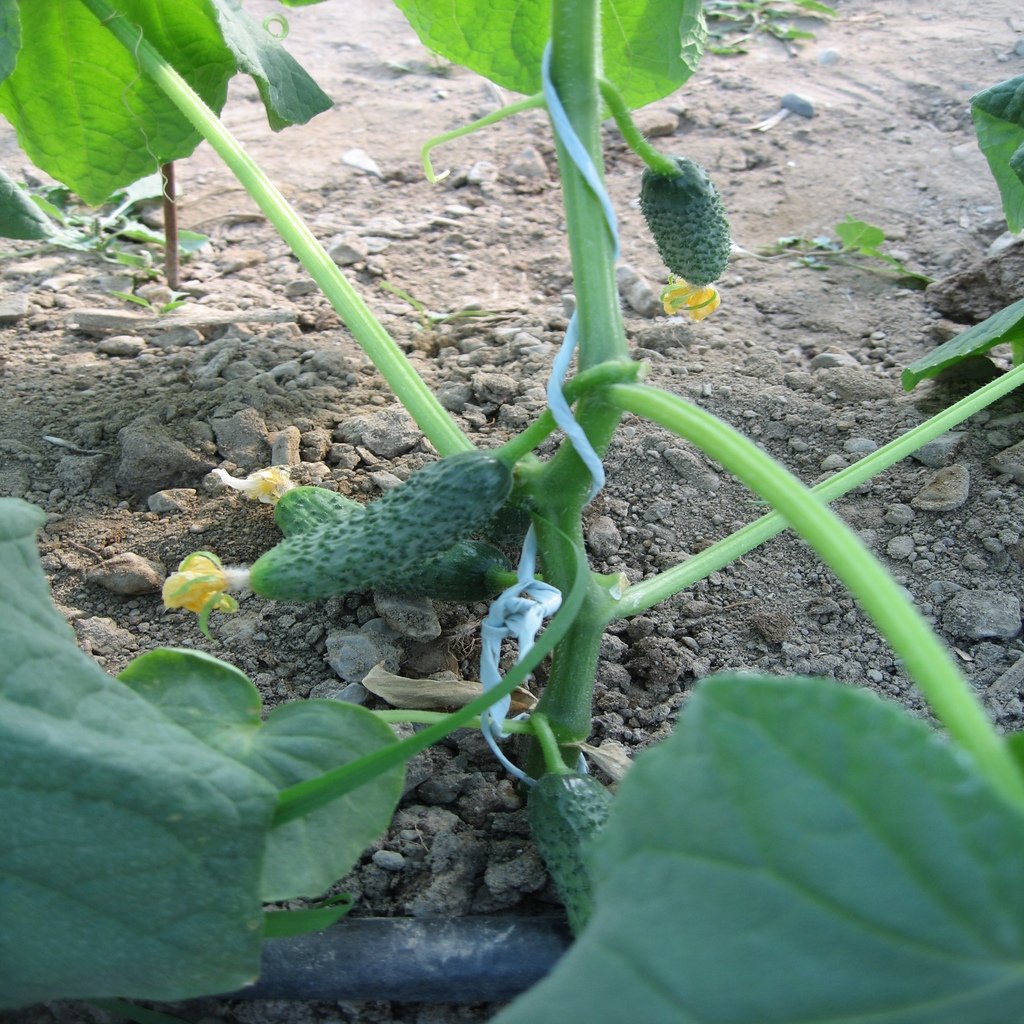
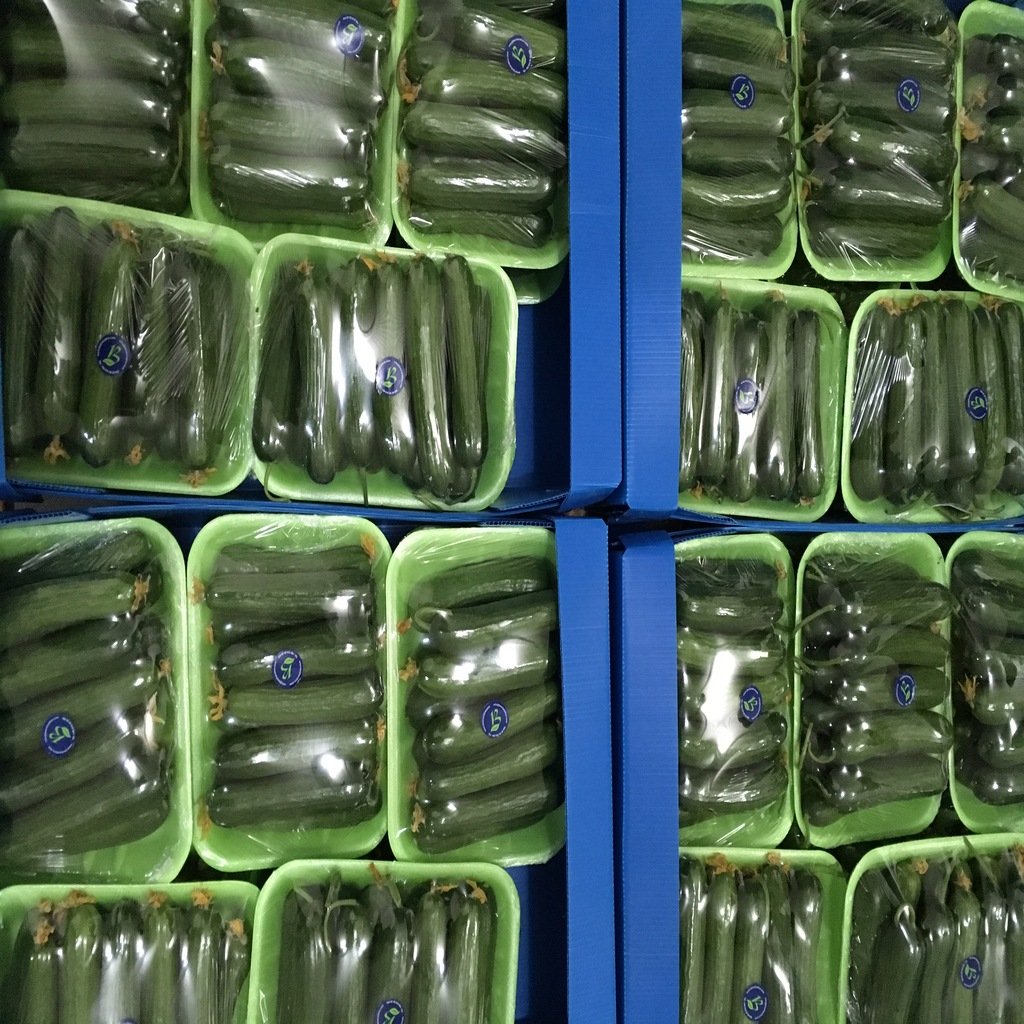
Persian cucumbers are typically grown in local open fields or greenhouses with moderate water use. Their short growth cycle and high yield make them a sustainable and efficient crop.