Key Features:
Nutrition: Rich in vitamins A, C, and K, as well as iron, folate, and antioxidants. Parsley offers strong nutritional value in small amounts.
Antioxidants: Contains flavonoids like apigenin and luteolin that help fight oxidative stress and inflammation.
Health Benefits: Supports bone health, boosts the immune system, and may help with kidney detoxification. Its anti-inflammatory compounds contribute to overall wellness.
Cooking: Typically used fresh as a garnish or chopped into salads, soups, sauces, and marinades. Can also be blended into juices or pestos.
Seasonality: Available year-round but grows best and most fragrant in spring and fall seasons.
Uses:
Culinary: Widely used in Middle Eastern, Mediterranean, and European cuisines. Adds flavor to tabbouleh, stews, sauces, and meat dishes.
Health: Commonly used in detox drinks and natural remedies. Valued for supporting kidney function and reducing water retention.
Varieties:
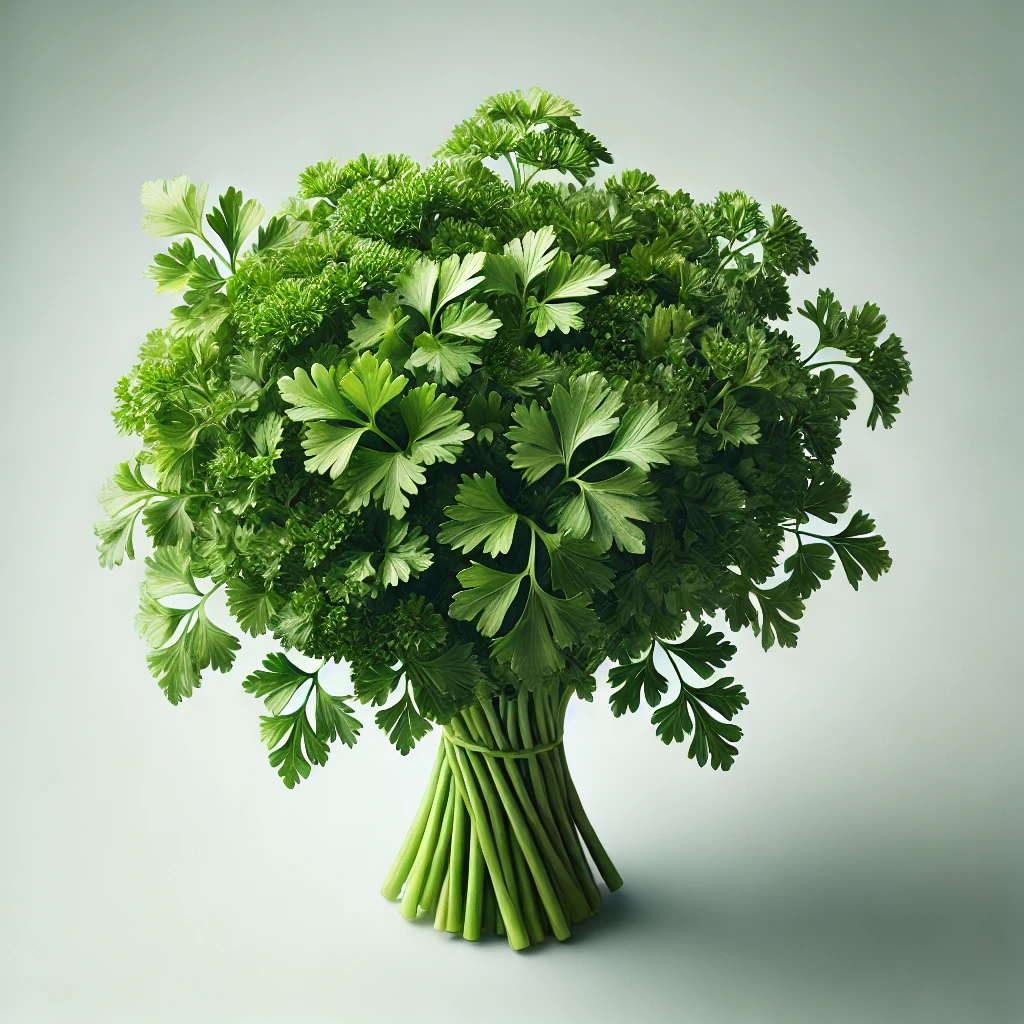
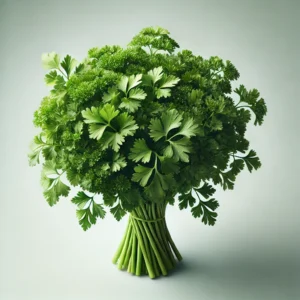
Curly Parsley: Bright green with tightly curled leaves, used mostly for garnish.
Flat-leaf Parsley (Italian Parsley): Stronger flavor, preferred for cooking.
Hamburg Parsley: A lesser-known variety grown for its edible root.
Storage:
Refrigeration: Keep in a glass of water covered loosely with a plastic bag or wrap in damp paper towels. Lasts up to 1 week in the fridge.
Freezing: Can be chopped and frozen in ice cube trays with water or oil for long-term use.
Sustainability:
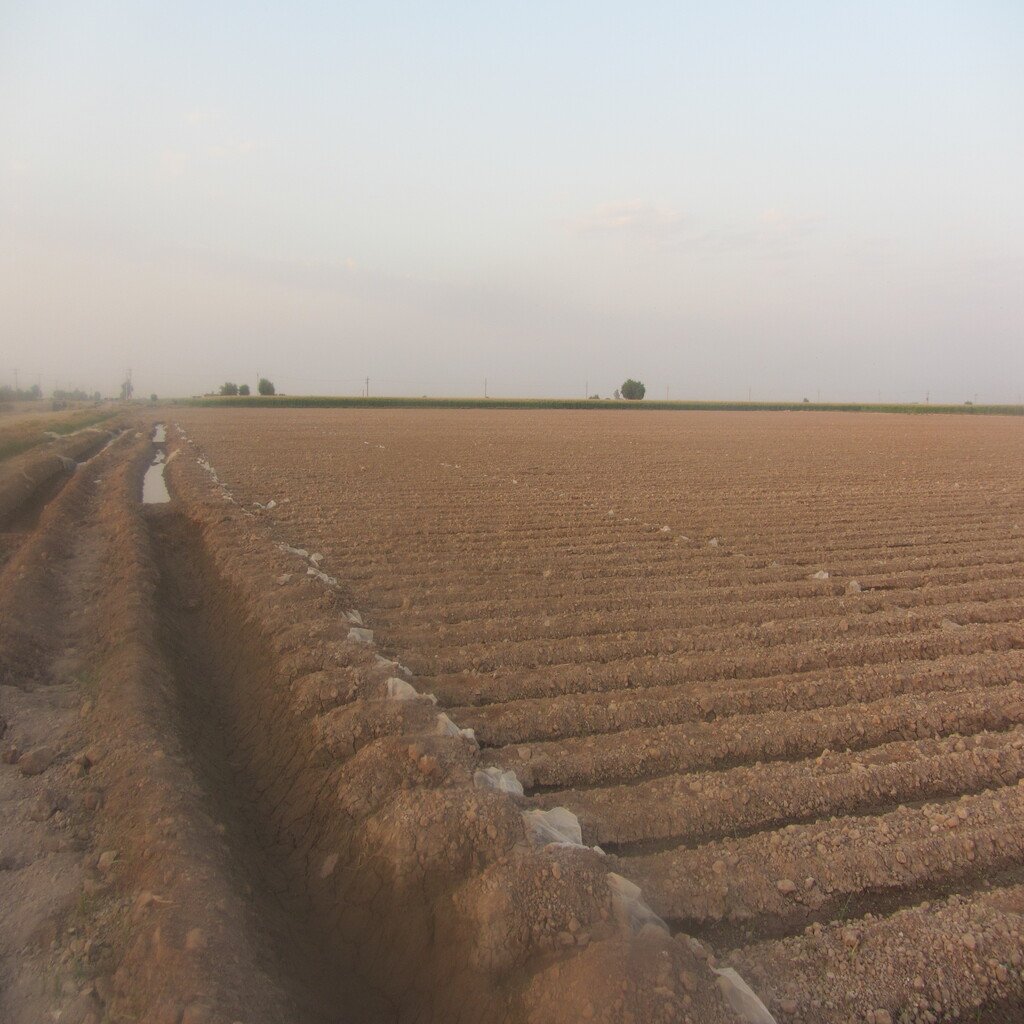
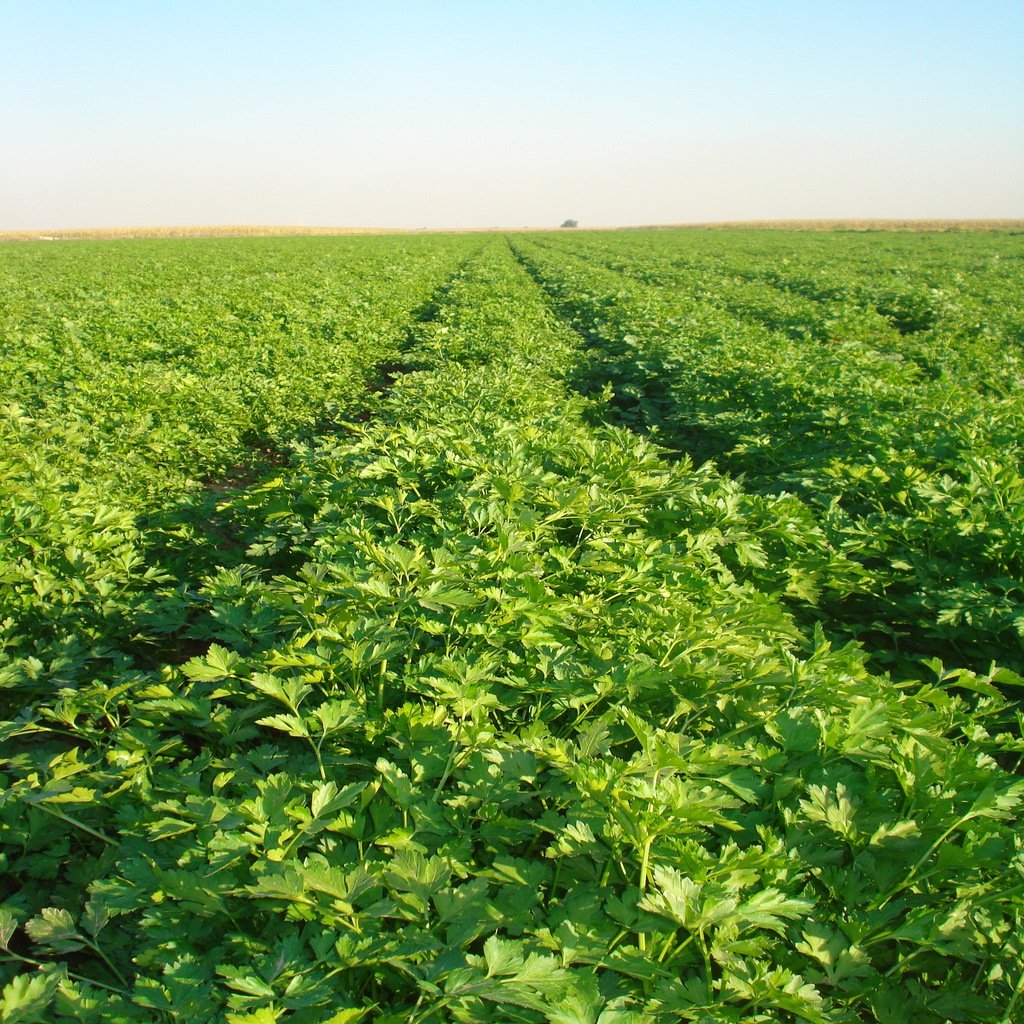
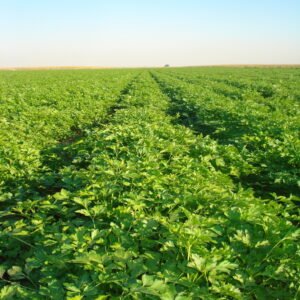
Parsley is easy to grow in most climates and requires minimal resources. It’s often cultivated locally and regenerates quickly after cutting, making it a sustainable choice for both home and commercial use.