Key Features:
Nutrition: A good source of vitamin K, vitamin C, folate, manganese, and fiber. Low in calories, yet rich in nutrients that support heart and bone health.
Antioxidants: Contains polyphenols and kaempferol, which help reduce inflammation and protect blood vessels.
Health Benefits: Supports cardiovascular health, aids digestion, and may help regulate cholesterol and blood pressure levels.
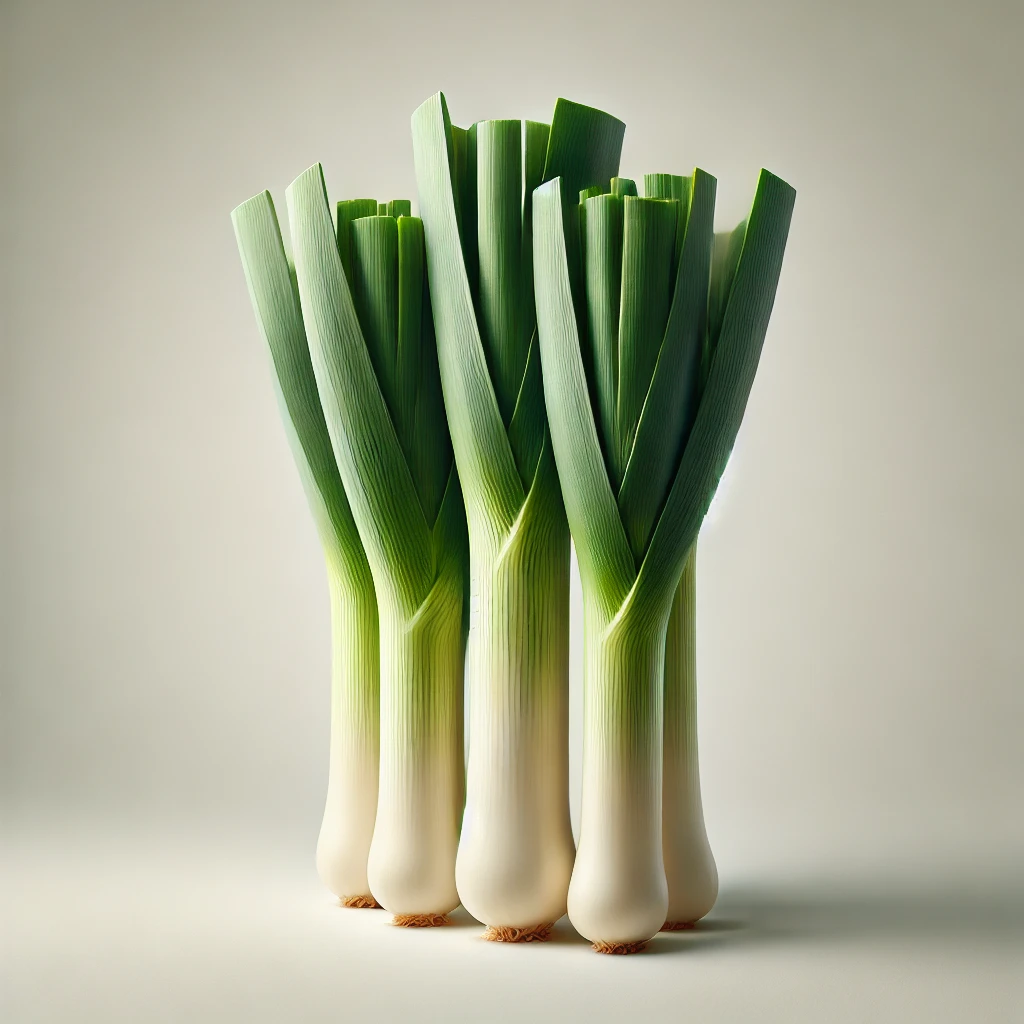
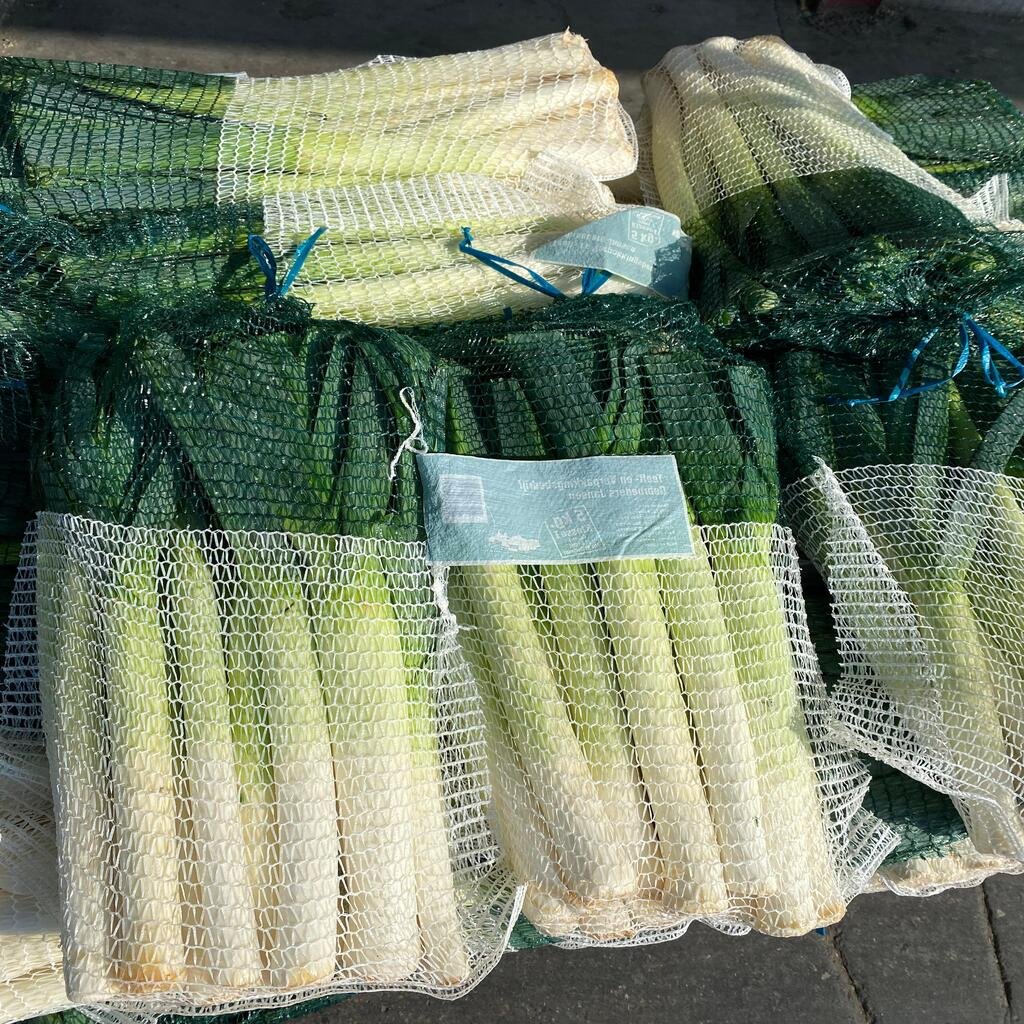
Cooking: Typically used cooked in soups, stews, sautés, and quiches. The white and light green parts are most commonly eaten, while dark green tops are used for stock.
Seasonality: Available year-round, with peak season in late fall to early spring.
Uses:
Culinary: Key ingredient in potato-leek soup, stews, risottos, and savory pies. Adds depth to vegetable and meat dishes.
Health: Featured in heart-healthy and anti-inflammatory diets. Its prebiotic fiber supports gut health.
Varieties:
American Flag Leek: Thick-stemmed and mild-flavored, commonly used in cooking.
King Richard Leek: Long and slender with a delicate flavor.
Giant Musselburgh: A large, cold-hardy variety grown in cooler regions.
Storage:
Refrigeration: Store unwashed in the refrigerator, loosely wrapped or in a perforated bag. Stays fresh for up to 1–2 weeks.
Freezing: Can be sliced and blanched before freezing for use in cooked dishes.
Sustainability:
Leeks are hardy, low-maintenance crops that grow well in cooler climates and require minimal chemical inputs. Their long shelf life and minimal waste make them a sustainable vegetable choice.