Key Features:
Nutrition: Contains vitamin K, vitamin A, folate, and small amounts of fiber. While less nutrient-dense than darker greens, it provides hydration due to its high water content.
Antioxidants: Includes trace antioxidants like beta-carotene and lutein that support skin and eye health.
Health Benefits: Helps with hydration, supports light digestion, and adds bulk to meals without many calories. Ideal for low-fat, low-carb diets.
Cooking: Typically eaten raw in salads, sandwiches, and wraps. Can also be shredded for tacos or chopped into cold noodle bowls.
Seasonality: Available year-round but is typically in peak season during cooler months, from November to March.
Uses:
Culinary: Commonly used in salads, burgers, tacos, and as a base layer for plated dishes. Adds crisp texture and subtle flavor.
Health: Popular in low-calorie diets and hydrating meal plans. Often chosen for texture rather than nutritional content.
Varieties:
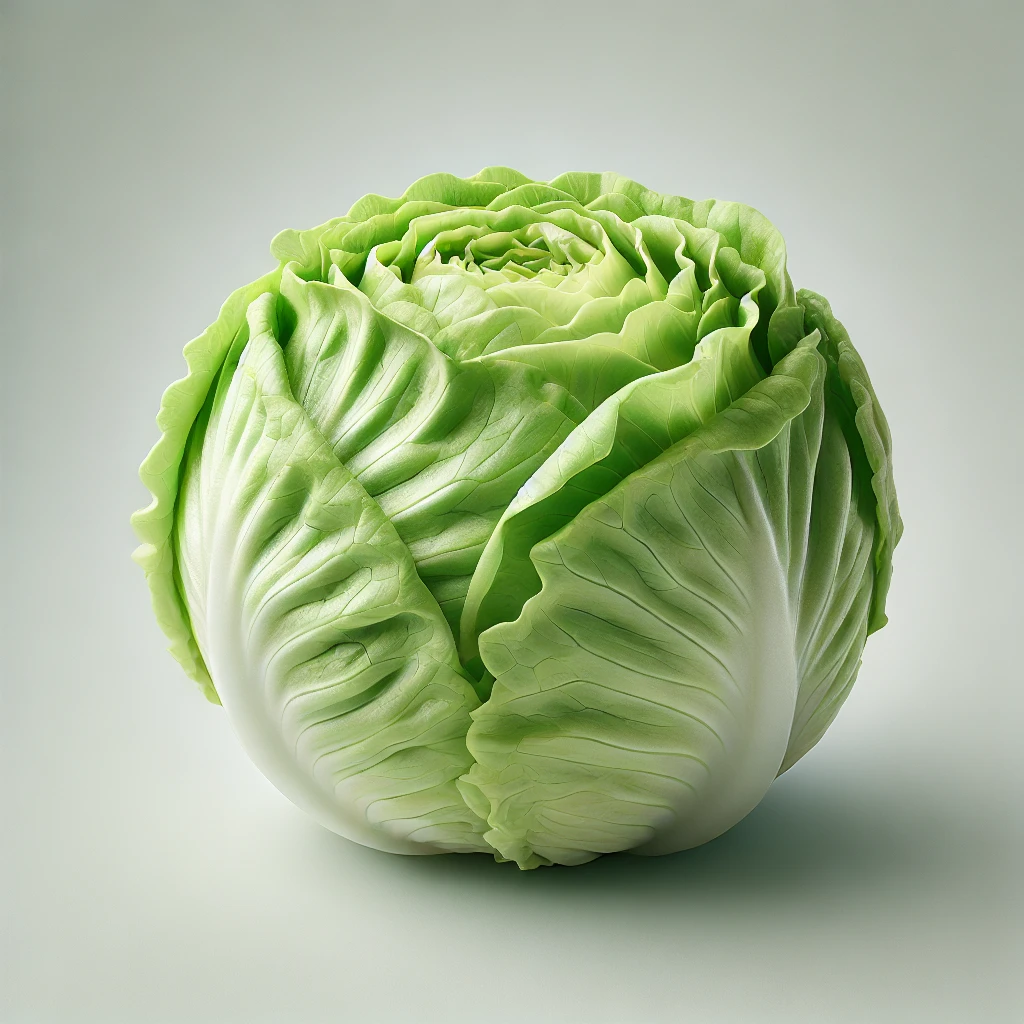
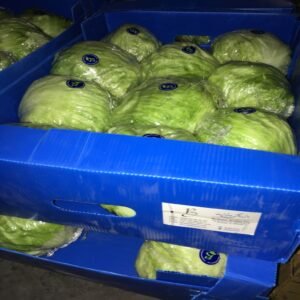
Standard Iceberg: Classic round head with tightly packed, pale green leaves.
Mini Iceberg: Smaller heads, ideal for individual servings or restaurant plating.
Crisphead: A broader category that includes iceberg and other tight-head lettuces.
Storage:
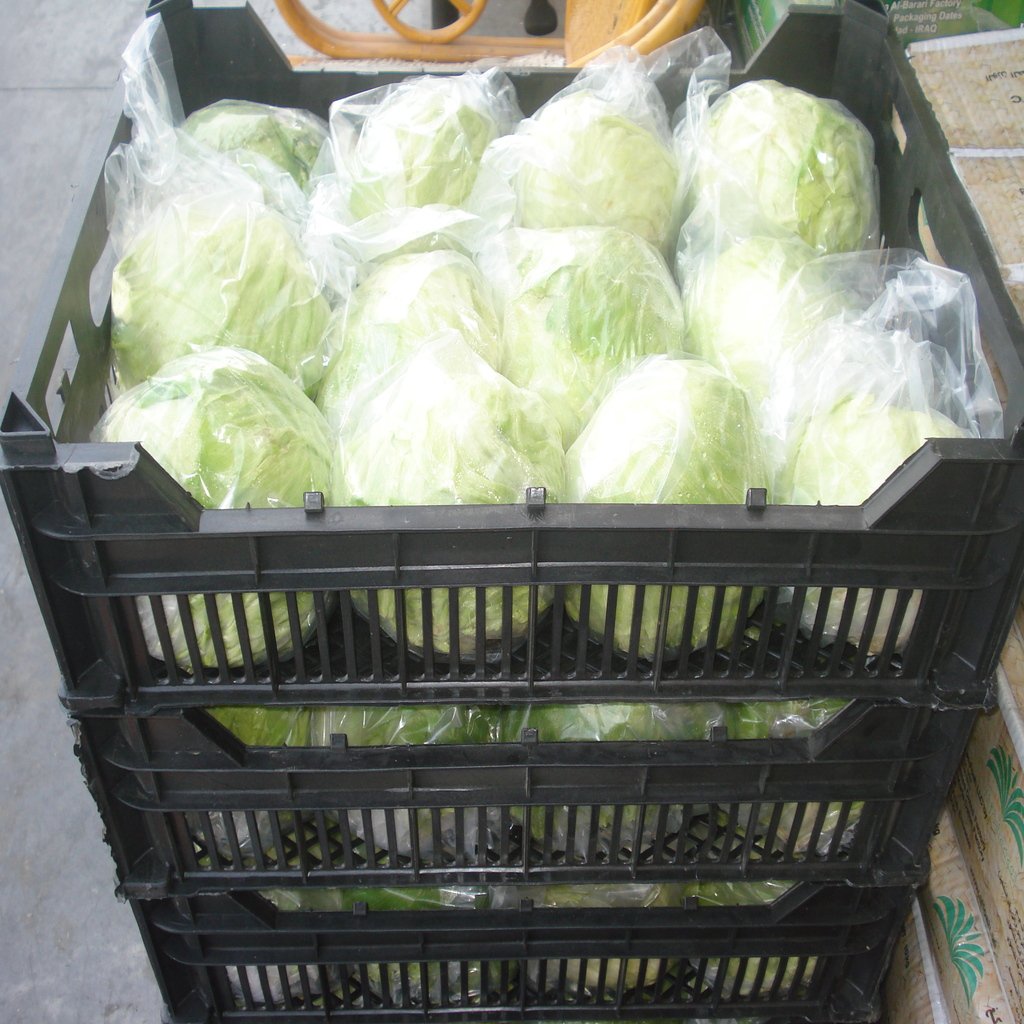
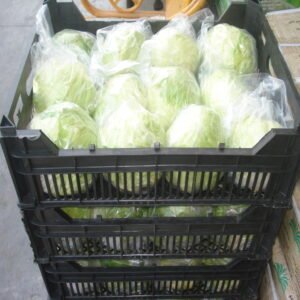
Refrigeration: Best stored whole in a plastic bag in the refrigerator. Once cut, use within 2–3 days to maintain crispness.
Freezing: Not recommended, as freezing damages the texture and water content of the leaves.
Sustainability:
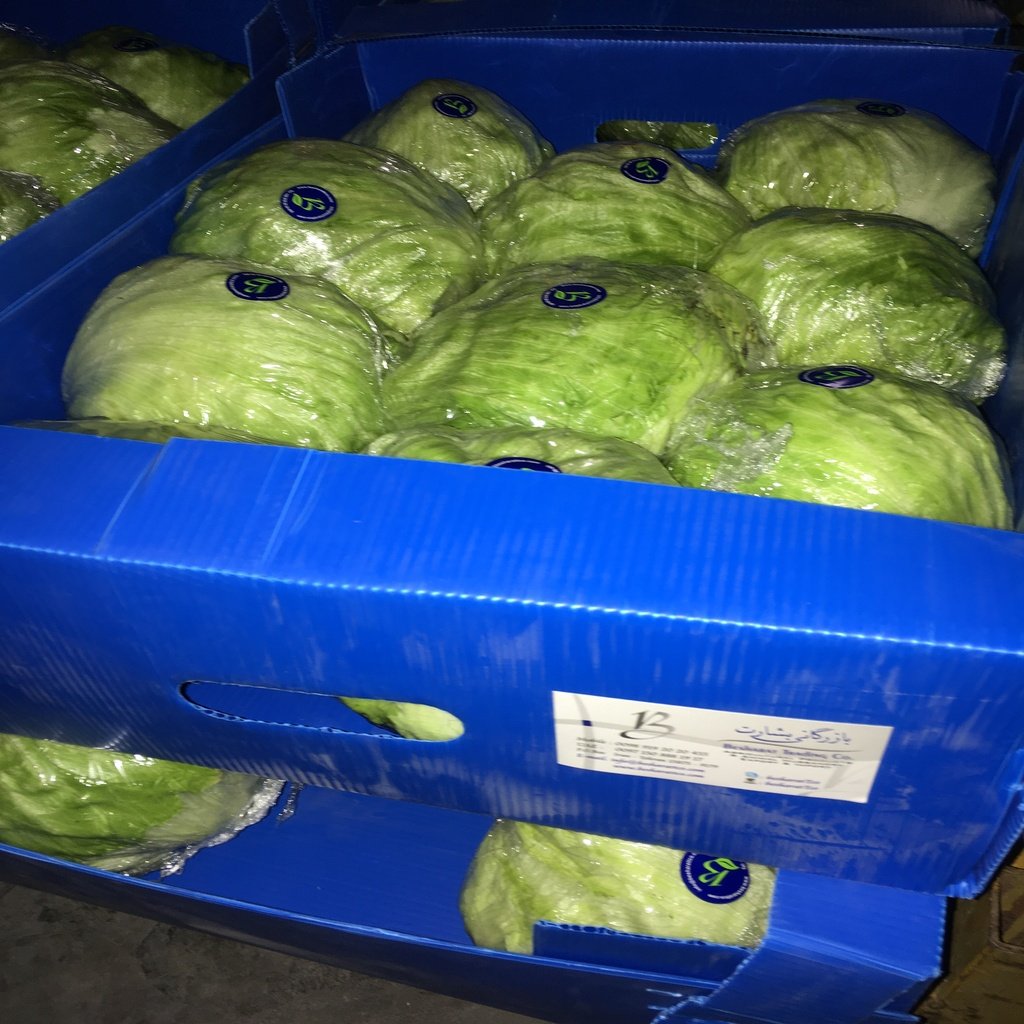
Iceberg lettuce is widely grown and transportable, but it typically requires more water and space compared to some other greens. When sourced locally and in season, it can still be a practical and sustainable choice.