Key Features:
Nutrition: Rich in vitamin C, potassium, and B vitamins, honeydew supports hydration, skin health, and muscle function while being low in calories and fat.
Antioxidants: Contains antioxidants such as lutein and zeaxanthin that help protect against cell damage and support eye health.
Health Benefits: Helps maintain electrolyte balance, supports digestion, and promotes skin hydration. Its high water content makes it ideal for preventing dehydration.
Cooking: Typically eaten raw, sliced, or cubed. Commonly served in fruit salads, smoothies, or as a chilled snack.
Seasonality: Available year-round but reaches peak sweetness and freshness in summer months, especially from June to September.
Uses:
Culinary: Served fresh in fruit platters, juices, sorbets, or yogurt bowls. Also pairs well with savory ingredients like prosciutto or feta cheese.
Health: Included in hydrating diets and post-workout meals. Beneficial for skin, digestion, and electrolyte recovery.
Varieties:
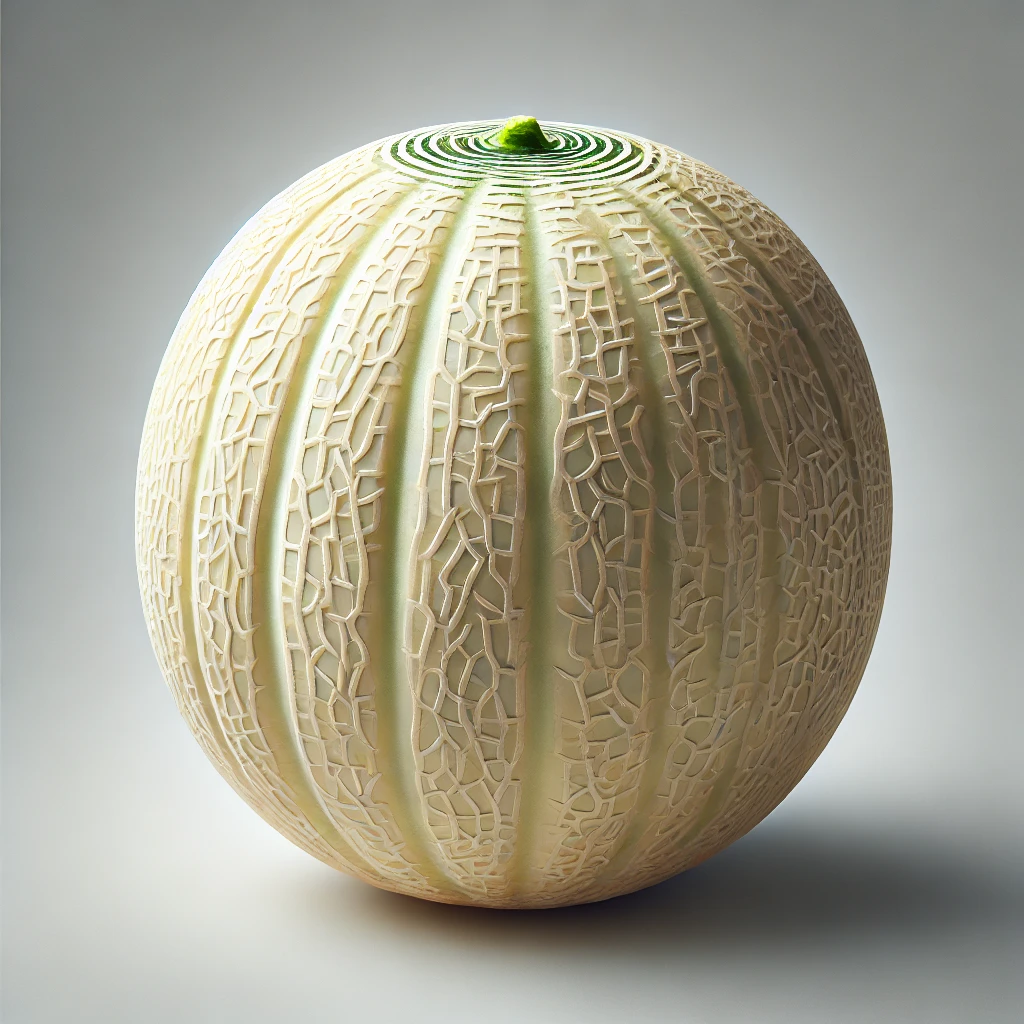
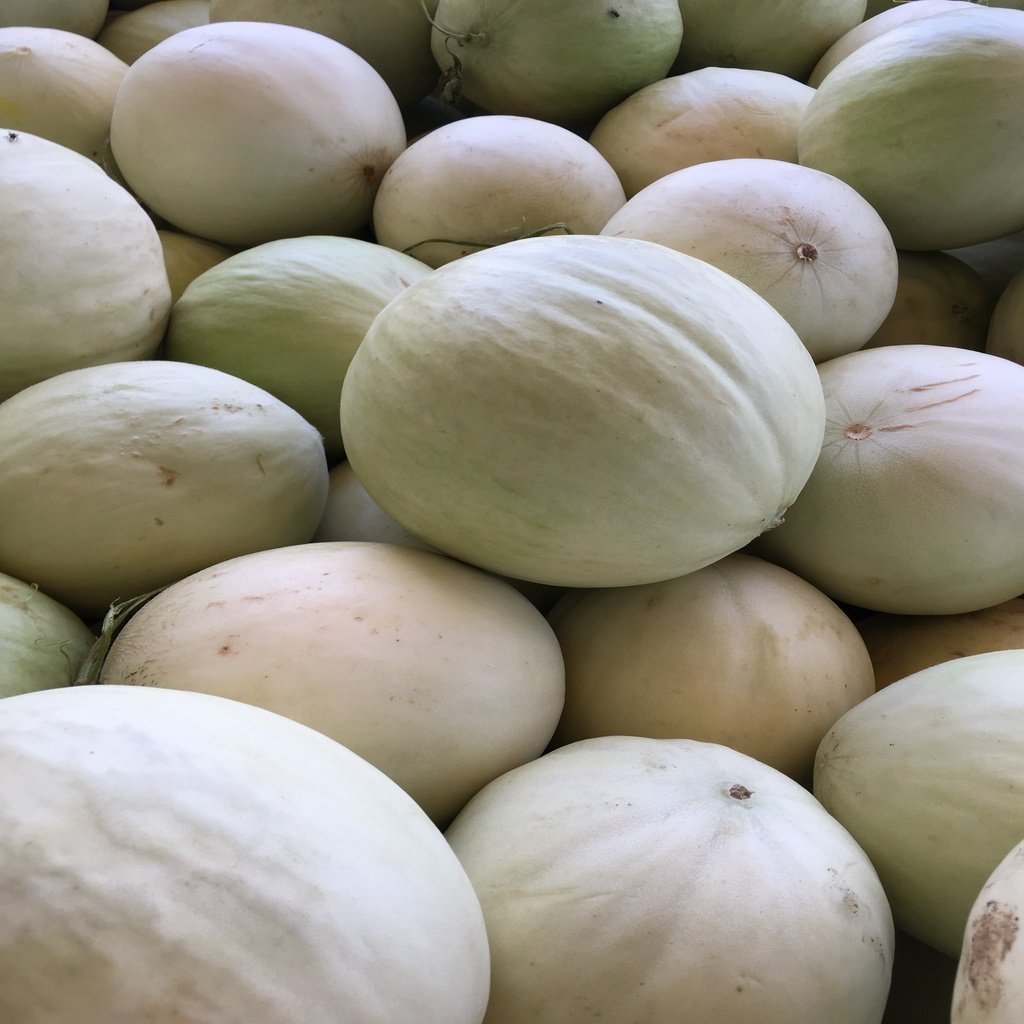
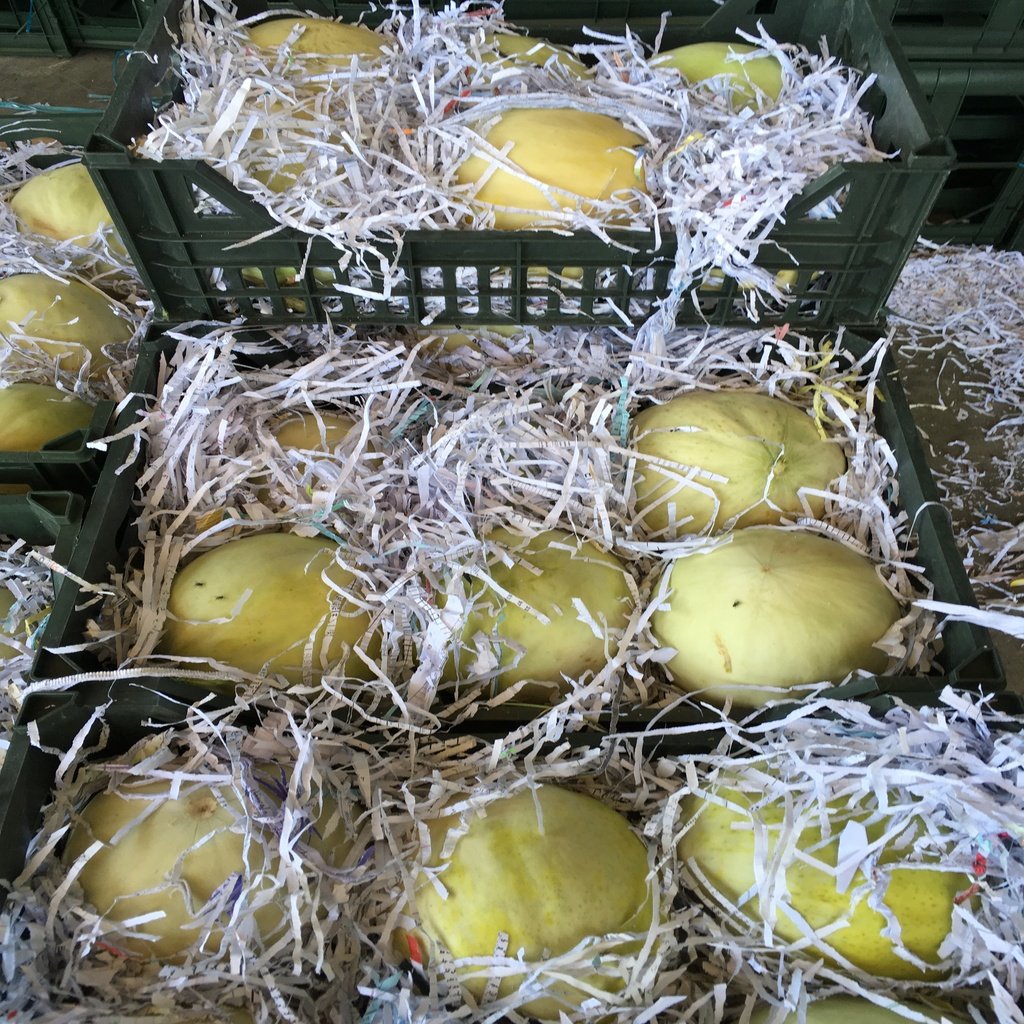
Standard Honeydew: Smooth, pale yellow rind with light green flesh and mild sweetness.
Orange-Flesh Honeydew: A rarer variety with peach-colored flesh and slightly more intense flavor.
Mini Honeydew: Smaller, single-serve version ideal for individual use or display.
Storage:
Refrigeration: Store whole at room temperature until ripe, then refrigerate. Once cut, store in an airtight container in the fridge and consume within 3–4 days.
Freezing: Can be cubed and frozen for use in smoothies, though texture softens after thawing.
Sustainability:
Honeydew is a relatively sustainable fruit when grown in season and locally. It requires moderate water and sunlight, and it stores well, reducing post-harvest waste. Often used in zero-waste kitchens for both fruit and juice.