Key Features:
Nutrition: Packed with vitamin C, K, and B6, along with fiber, folate, and small amounts of potassium and calcium — essential for immunity, bone health, and digestion.
Antioxidants: Contains polyphenols and sulfur compounds that help fight inflammation and protect against cell damage.
Health Benefits: Supports digestive health, boosts immunity, and may lower the risk of chronic diseases like heart disease and cancer. Its fiber aids in gut health and weight management.
Cooking: Can be eaten raw, shredded in salads and slaws, or cooked in soups, stews, stir-fries, and stuffed rolls. Also used in fermentation (e.g., sauerkraut, kimchi).
Seasonality: Available year-round, but most flavorful and abundant from late fall through early spring.
Uses:
Culinary: Used in coleslaw, soups, stews, stuffed cabbage rolls, and stir-fries. Also popular in pickling and fermentation.
Health: Common in detox and anti-inflammatory diets due to its high fiber and antioxidant content.
Varieties:
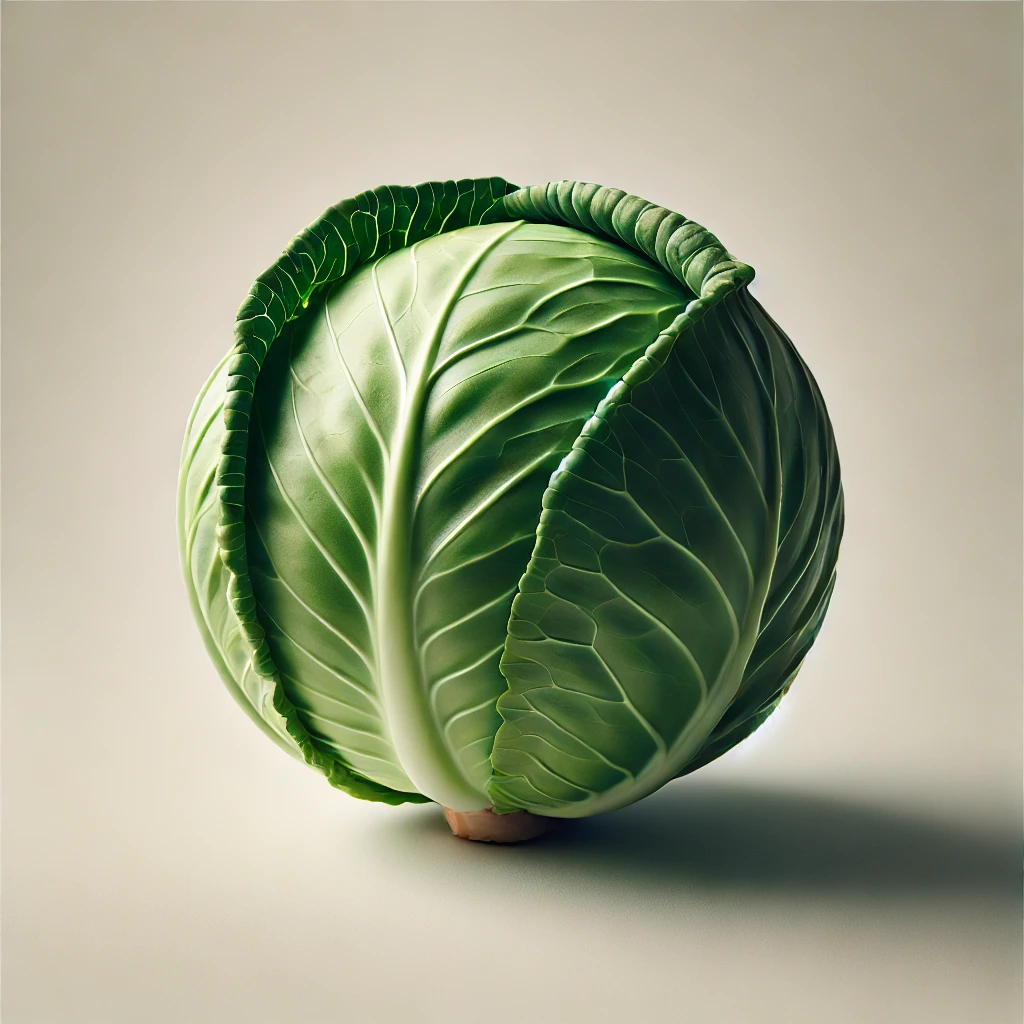
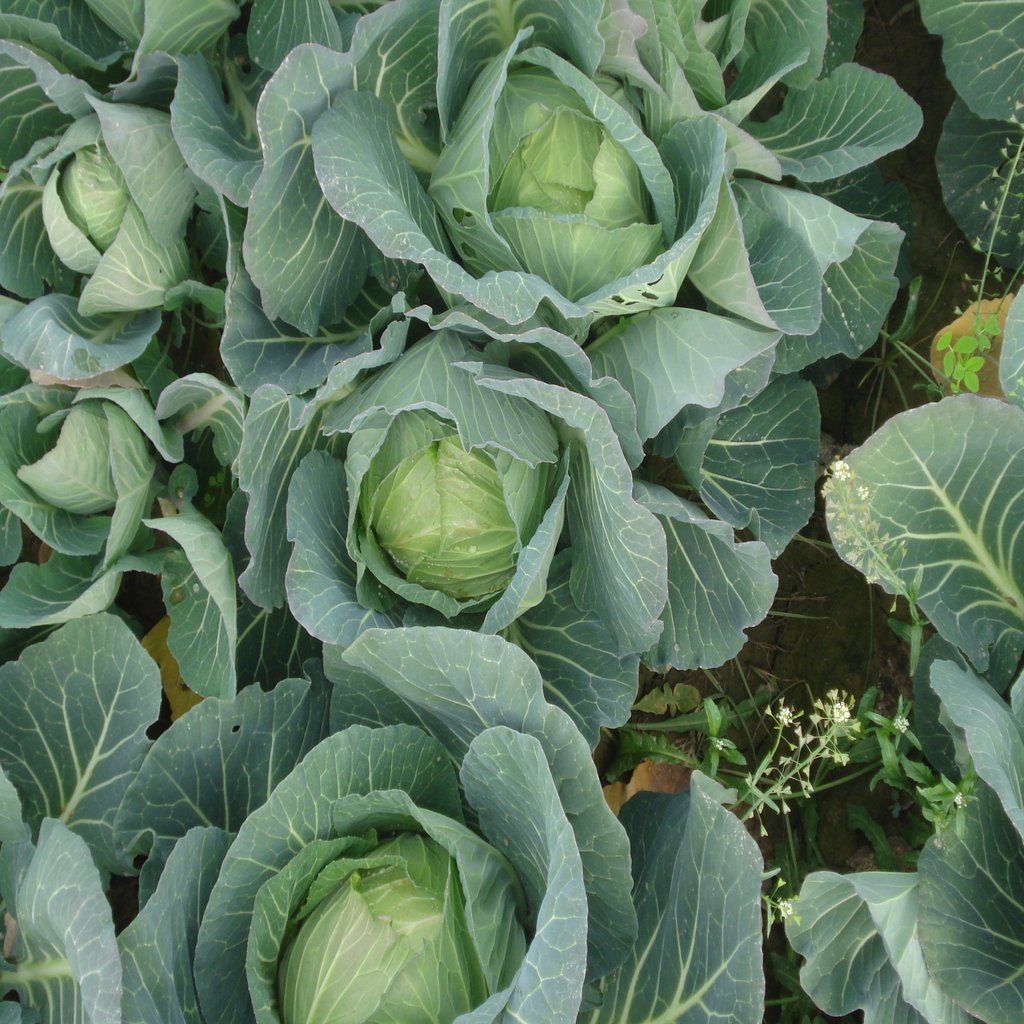
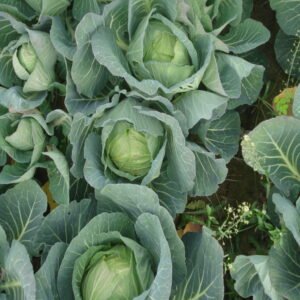
Green Cabbage: The standard round-headed type with pale green leaves.
Savoy Cabbage: A crinkled-leaf variety that’s more tender and visually interesting.
Pointed Cabbage: Cone-shaped and slightly sweeter, often used in gourmet cooking.
Storage:
Refrigeration: Store whole in the refrigerator. It can last up to 2 weeks if uncut. Once cut, wrap tightly and use within a few days.
Freezing: Can be chopped, blanched, and frozen for soups or stews, though raw freezing is not recommended.
Sustainability:
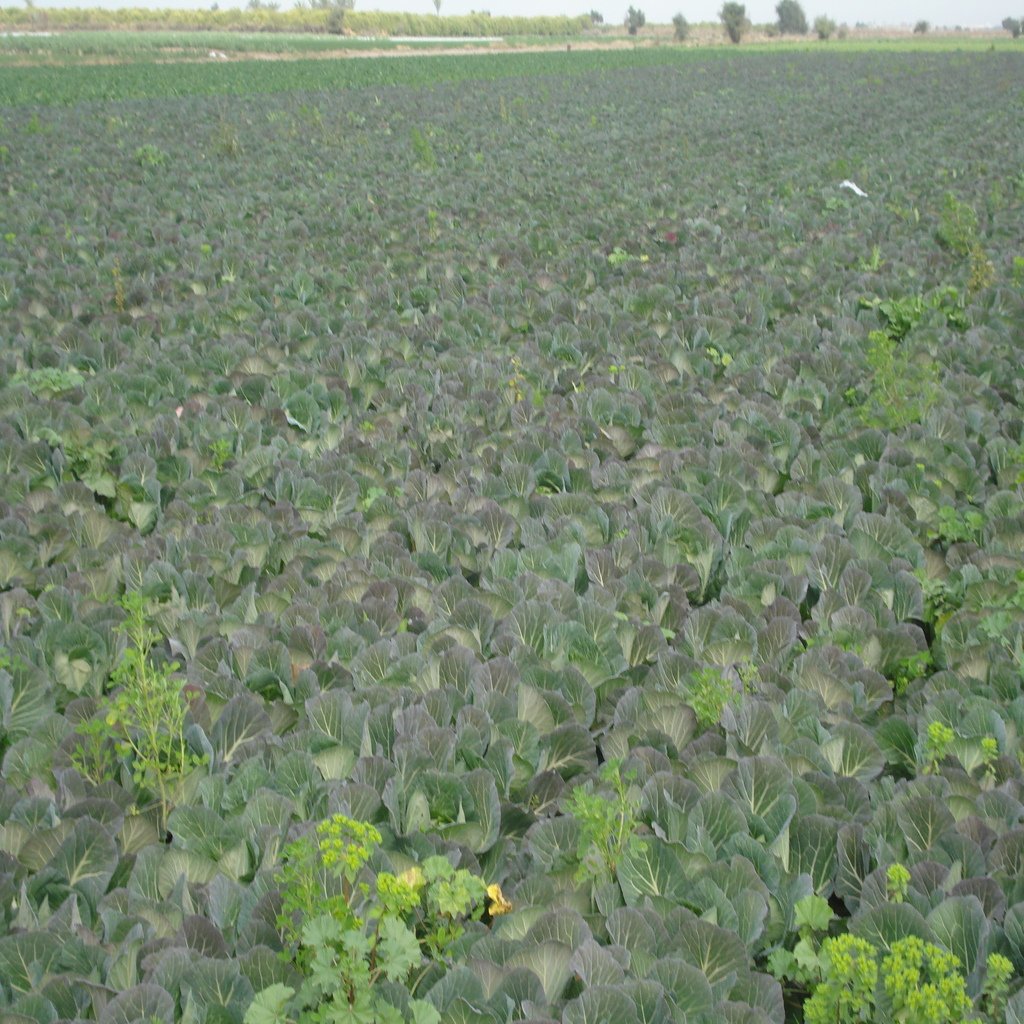
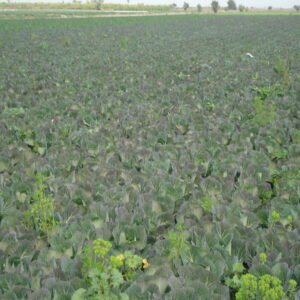
Green cabbage is a hardy crop that grows in diverse climates with moderate water needs. It has long shelf life, minimal waste, and is widely cultivated, making it a sustainable vegetable option.