Key Features:
Nutrition: Rich in vitamins C, K, and A, as well as folate, fiber, and silicon — supporting bone health, immunity, and digestion.
Antioxidants: Contains flavonoids and carotenoids that help reduce oxidative stress and inflammation.
Health Benefits: Supports heart and digestive health, promotes healthy bones, and may aid in blood sugar regulation. Low in calories and high in water.
Cooking: Can be steamed, boiled, stir-fried, roasted, or used in stews. Often served as a side dish or in mixed vegetable dishes.
Seasonality: Available year-round, but peak season is from spring to early autumn.
Uses:
Culinary: Common in stews, soups, casseroles, salads, and side dishes. Often combined with garlic, lemon, or tomato.
Health: Popular in weight-loss and anti-inflammatory diets due to their low calorie and high fiber profile.
Varieties:
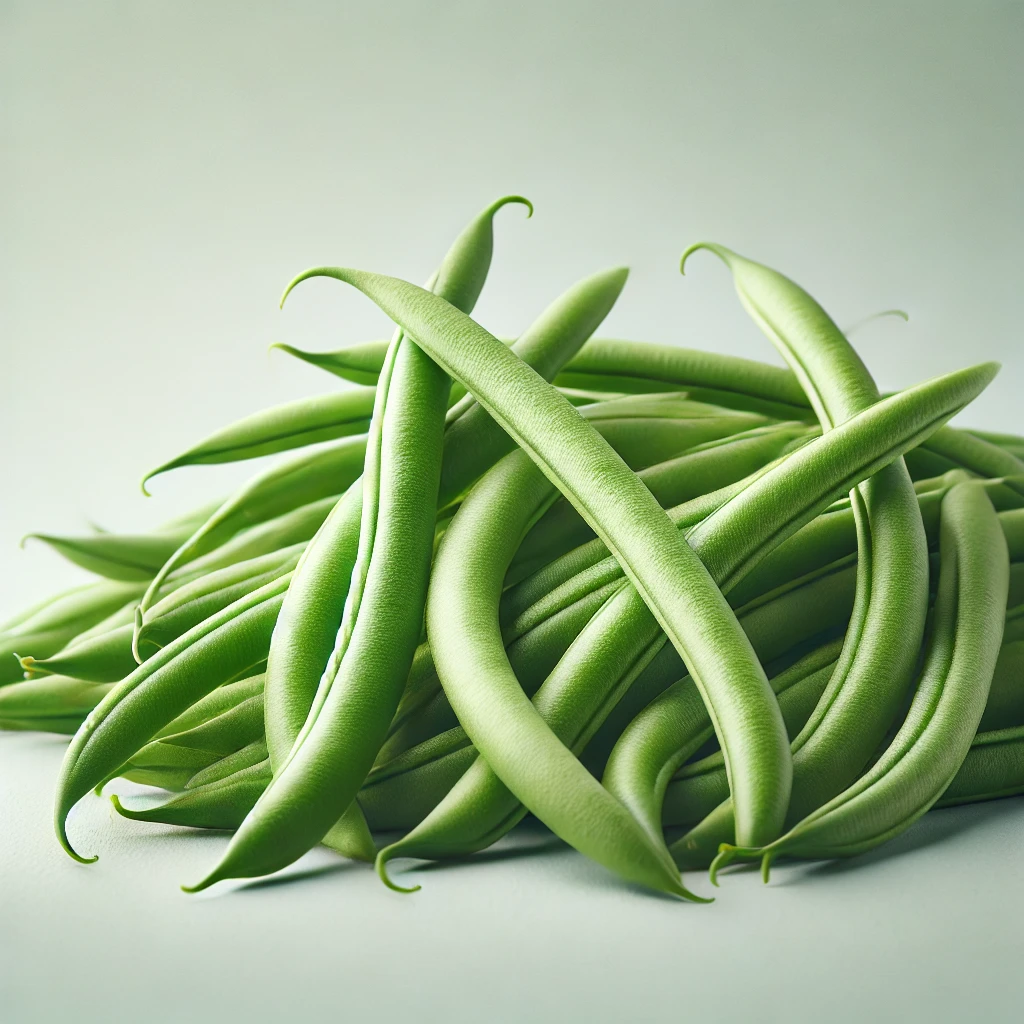
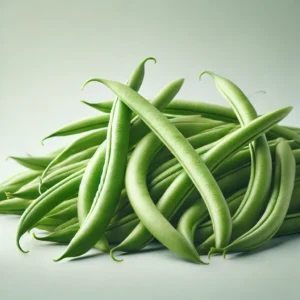
Stringless Green Beans: The modern, smooth version without fibrous strings.
French Green Beans (Haricots Verts): Thinner, more tender, and slightly sweeter.
Flat Green Beans: Broader and meatier, used more in Mediterranean cuisine.
Storage:
Refrigeration: Store unwashed in a breathable plastic or paper bag in the crisper drawer. Best used within 4–5 days.
Freezing: Can be trimmed, blanched, and frozen for long-term storage.
Sustainability:
Green beans are fast-growing, nutrient-efficient crops that require moderate water. When grown locally and seasonally, they’re a sustainable vegetable option with minimal waste.