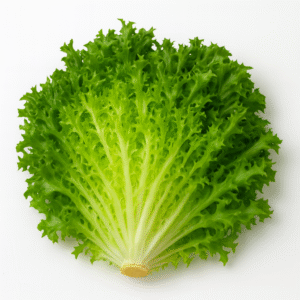
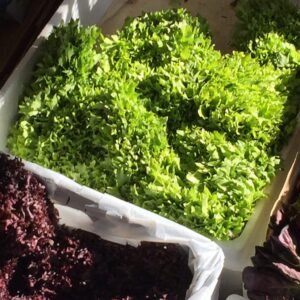
Key Features:
Nutrition: Rich in vitamins A, C, and K, folate, and fiber, making it a great option for supporting immune health, bone strength, and digestive function.
Antioxidants: Contains beta-carotene and other plant compounds that help protect cells from oxidative stress and reduce inflammation.
Health Benefits: Promotes heart health, supports healthy digestion, and may aid in weight management. Its nutrient profile contributes to overall wellness and disease prevention.
Cooking: Typically eaten raw in salads, but can also be lightly sautéed or wilted with warm dressings. Often paired with fruits, nuts, and cheeses.
Seasonality: Available year-round but is typically in peak season from November to March.
Uses:
Culinary: Commonly used in gourmet salads, appetizer plates, and as a topping for sandwiches or toasts. Adds texture and a mildly bitter flavor.
Health: Popular in low-calorie and fiber-rich diets, especially for digestive support and detox-friendly meals.
Varieties:
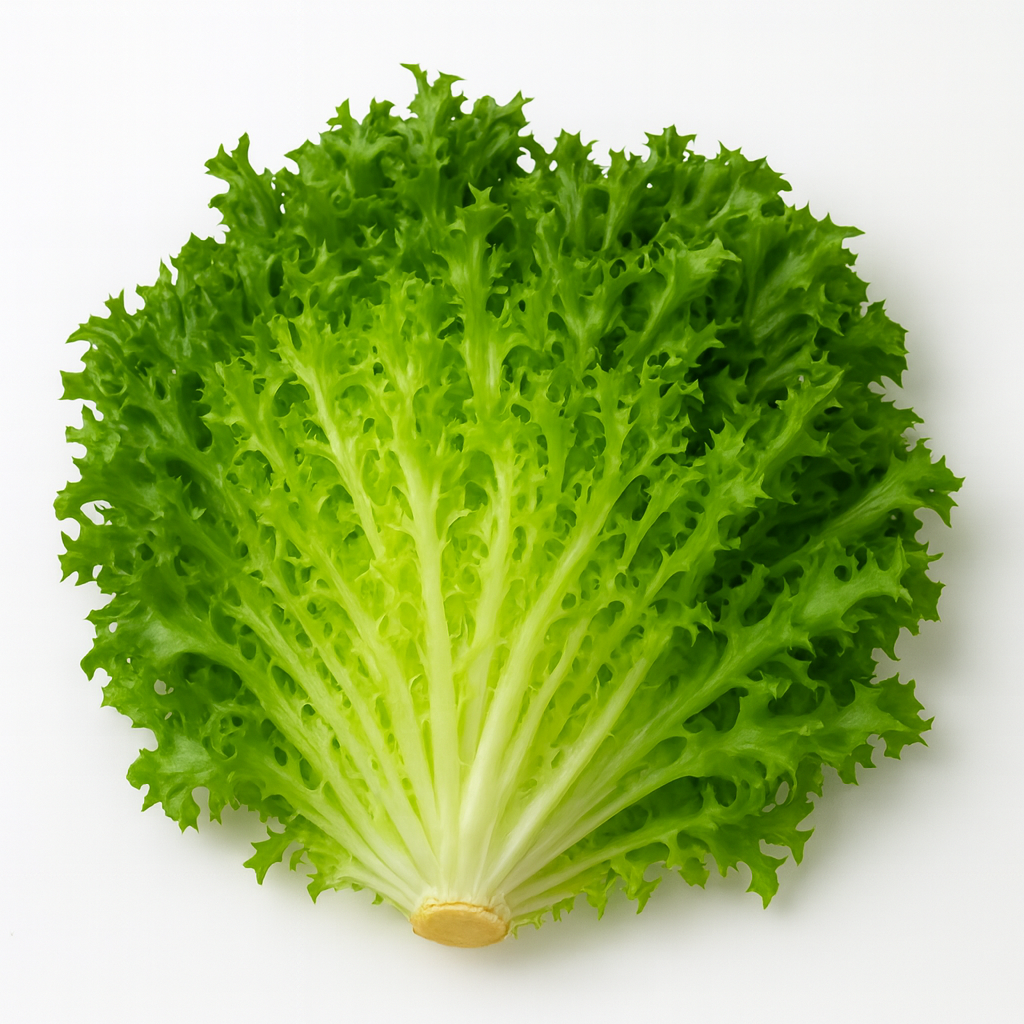
Traditional Frisée: Pale green and yellow frilly leaves with a slightly bitter taste.
Baby Frisée: Smaller, more delicate leaves ideal for salad mixes.
Organic Frisée: Grown without synthetic pesticides, often offering a more robust flavor.
Storage:
Refrigeration: Frisée should be stored unwashed in the refrigerator inside a perforated or breathable bag, staying fresh for 3–5 days.
Freezing: Not recommended for freezing, as the delicate leaves lose texture and quality when thawed.
Sustainability:
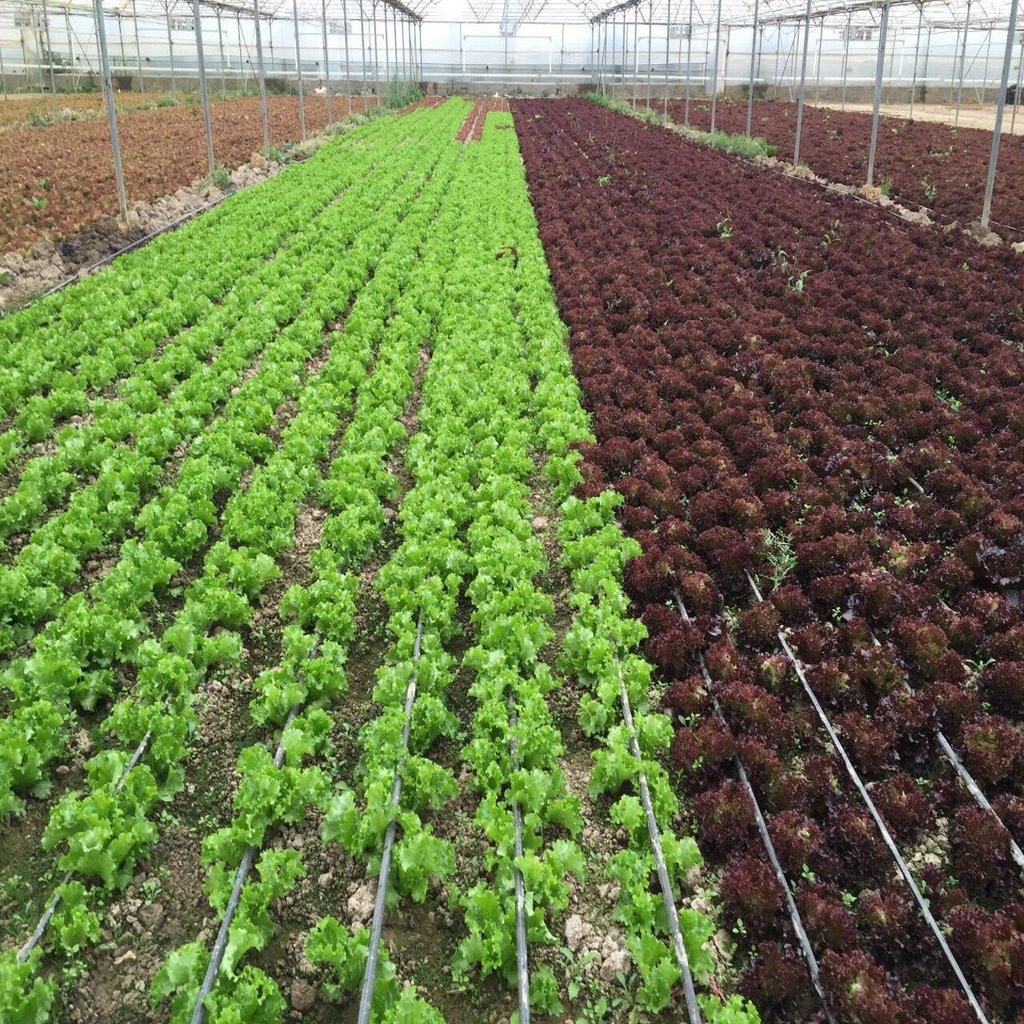
Frisée is considered an environmentally friendly leafy green. It requires moderate resources to grow and is often cultivated using sustainable or organic farming practices in cooler climates.