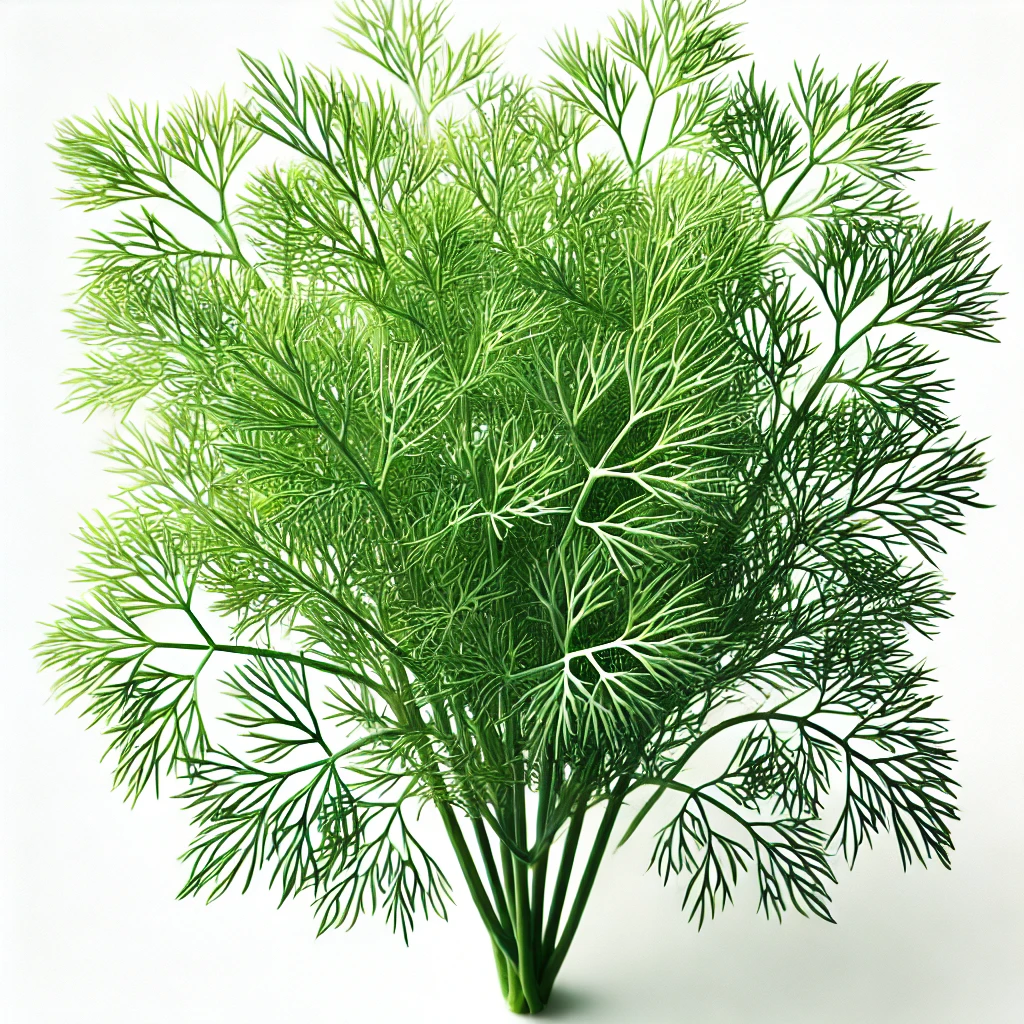
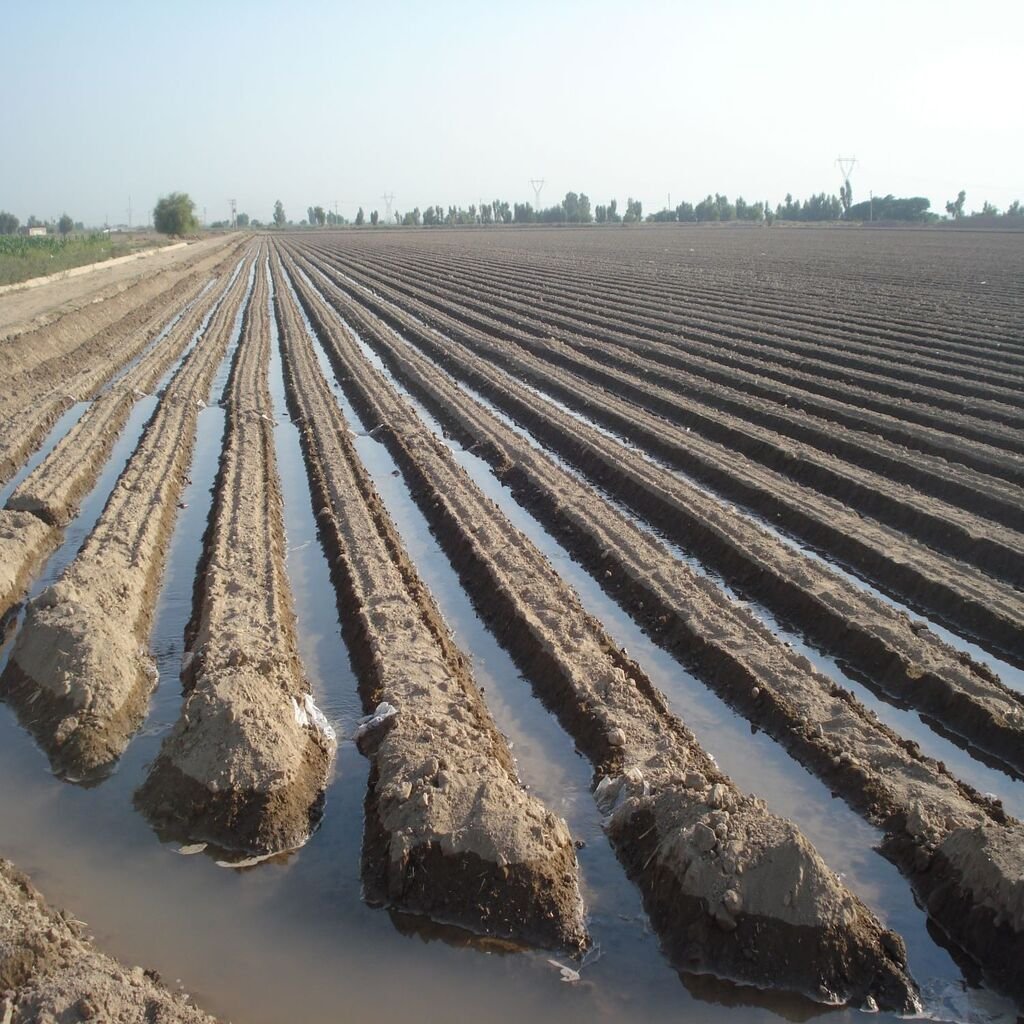
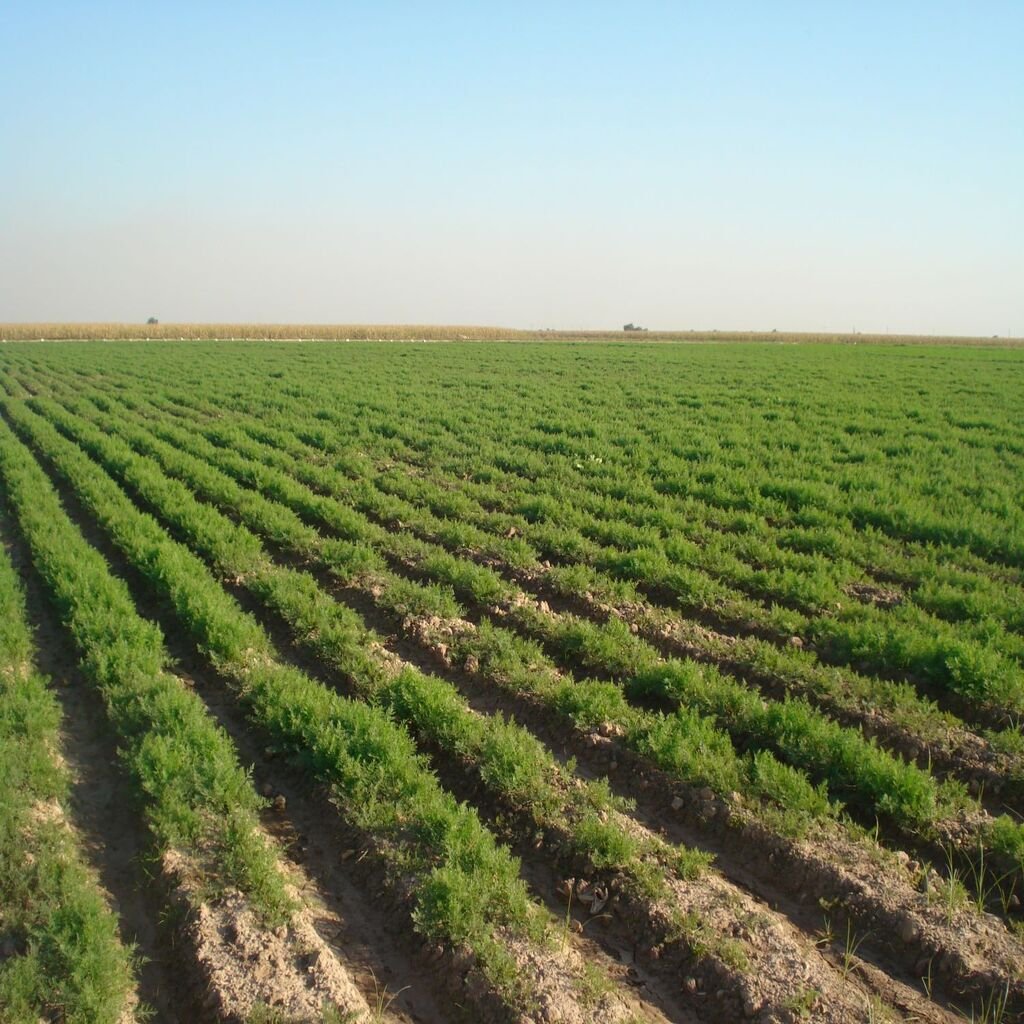
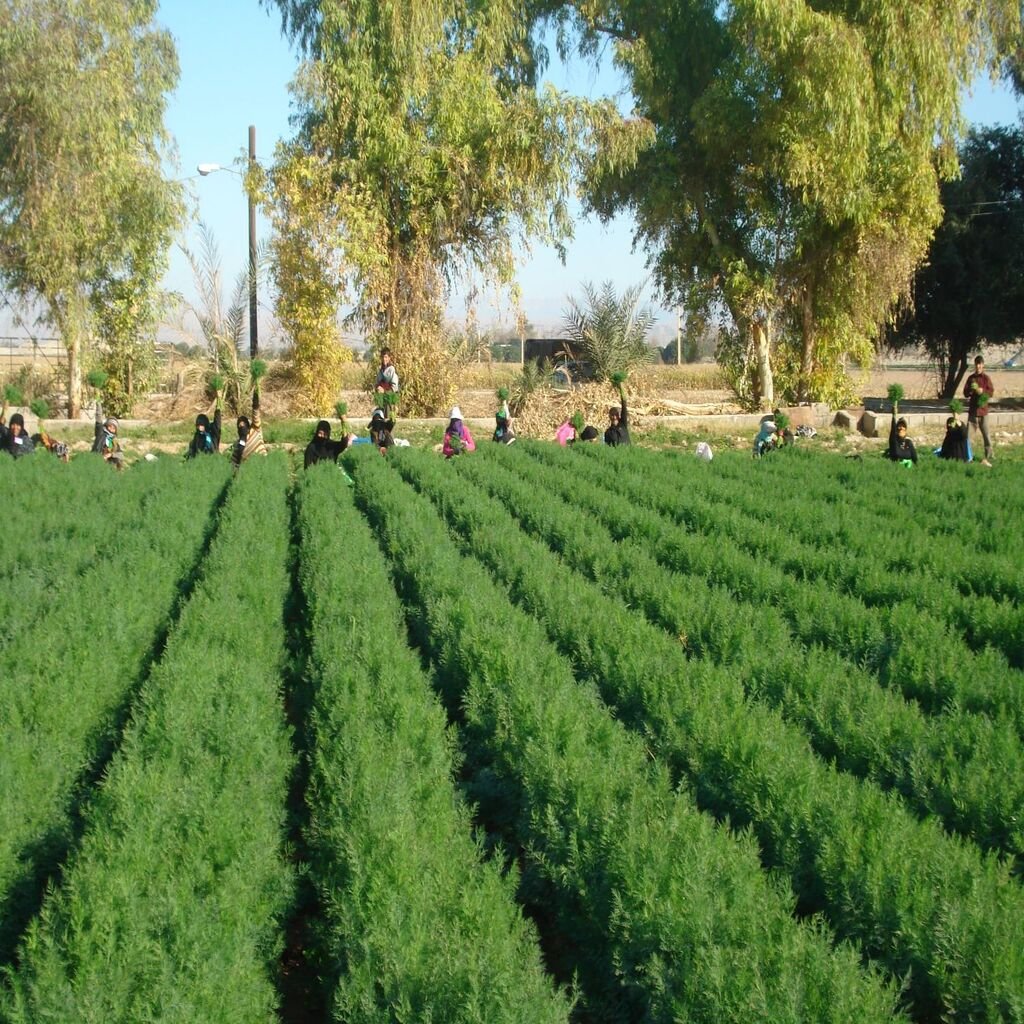
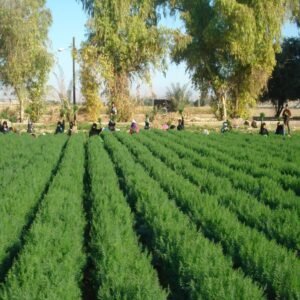
Dill is an aromatic herb widely used in cooking for its distinctive fresh flavor, often described as a combination of celery and fennel with a slight citrusy tang. It is known for its feathery green leaves and delicate seeds, which are both edible and highly valued in various culinary traditions.
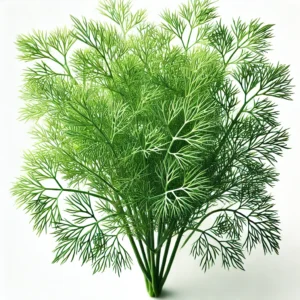
Appearance: Dill has fine, feathery, light green leaves that grow in delicate fronds. The plant can grow up to 3 feet tall, with small yellow flowers that eventually turn into seeds.
Flavor: Dill has a fresh, slightly tangy flavor, with hints of citrus, fennel, and caraway. It is often used in both fresh and dried forms.
Seeds: Dill seeds have a more intense flavor than the leaves and are commonly used in cooking and pickling.
Nutritional Benefits:
Vitamins: Dill is a good source of vitamin C, which supports immune health, and vitamin A, which is essential for vision and skin health.
Minerals: Dill is rich in essential minerals, particularly calcium, iron, and manganese, which are important for bone health, oxygen transport, and metabolism.
Antioxidants: Dill contains antioxidants like flavonoids and terpenes, which help combat oxidative stress and inflammation in the body.
Digestive Aid: Dill has been traditionally used to relieve digestive issues, such as bloating and indigestion.
Health Benefits:
Promotes Digestion: Dill is known for its carminative properties, which help to ease digestion and relieve gas, bloating, and indigestion.
Supports Bone Health: Due to its calcium content, dill helps to maintain strong bones and teeth.
Anti-inflammatory: Dill’s antioxidants, especially flavonoids, help reduce inflammation in the body, which can help alleviate conditions like arthritis.
Antibacterial Properties: Dill has been shown to possess antibacterial properties, which can help in combating harmful bacteria in the body.
Calming Effect: Dill is also believed to have a mild sedative effect, which can help promote relaxation and relieve anxiety.
Culinary Uses:
Fresh Leaves: Fresh dill is often used to garnish dishes, especially in Mediterranean and Eastern European cuisine. It pairs well with fish, yogurt-based sauces, and vegetables.
Pickling: Dill is commonly used in pickling, particularly for cucumbers, to add flavor and aroma to the brine.
Soups and Sauces: Dill is frequently added to soups (such as borscht) and sauces, especially those containing cream or yogurt.
Salads: It is often added to salads for a fresh, herbal kick, particularly in potato salad or coleslaw.
Baking: Dill is also used in breads, particularly in Scandinavian cooking, such as dill rye bread.
Dill Seeds: The seeds are used in spice mixes, pickles, and to flavor vinegars or oils.
Seasonality:
Availability: Dill is typically available year-round, but it is most abundant during the summer months when it is grown fresh in gardens.