Key Features:
Nutrition: Rich in vitamins A, C, and K, as well as small amounts of calcium, magnesium, and potassium, supporting immune health and bone strength.
Antioxidants: Contains quercetin and other plant compounds that help neutralize free radicals and reduce inflammation.
Health Benefits: May aid digestion, support detoxification, and help regulate blood sugar levels. It is also known for its antimicrobial and anti-inflammatory effects.
Cooking: Typically used raw or added at the end of cooking to preserve its fresh flavor. Commonly chopped into salads, salsas, soups, and garnishes.
Seasonality: Available year-round but is typically in peak season during spring and early summer.
Uses:
Culinary: Widely used in Middle Eastern, Indian, Latin American, and Asian dishes. Enhances flavor in soups, curries, salads, and chutneys.
Health: Featured in detox diets and natural remedies for digestive health, thanks to its cleansing and anti-inflammatory properties.
Varieties:
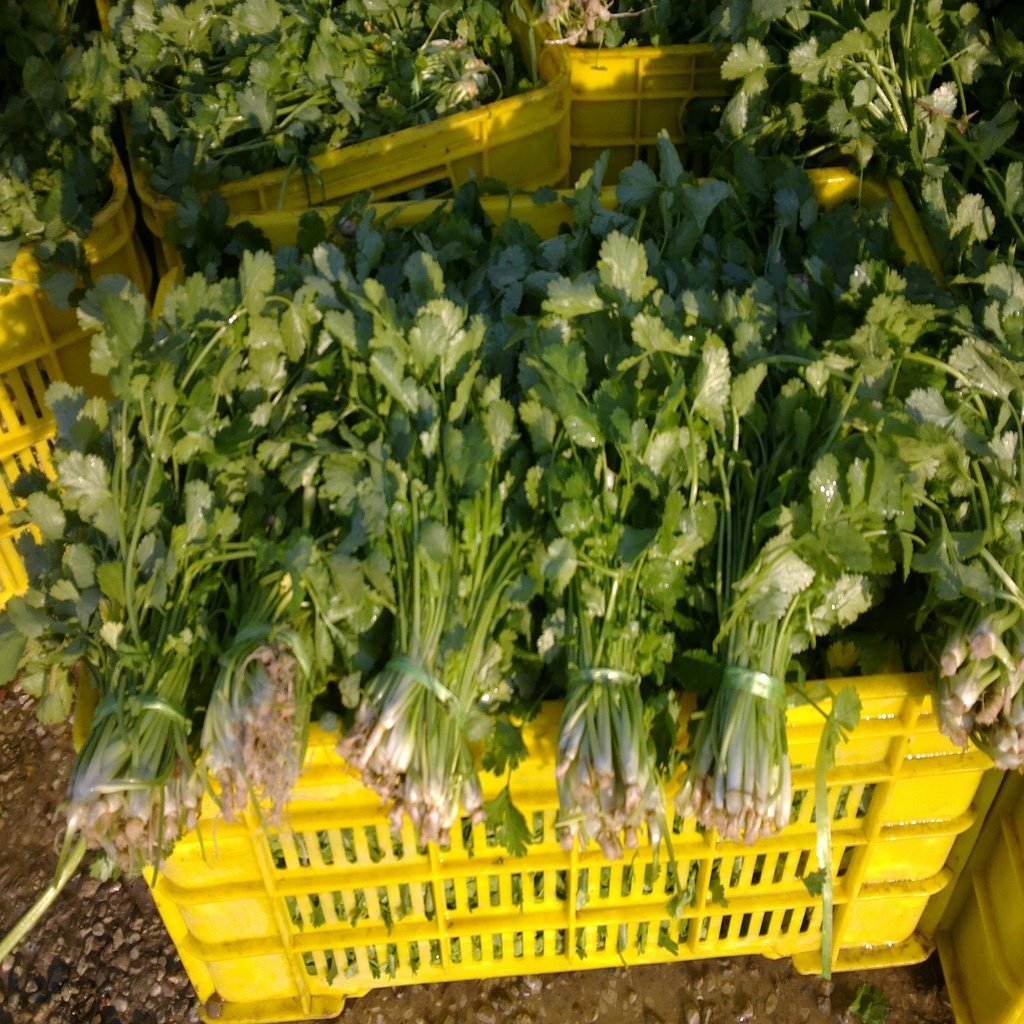
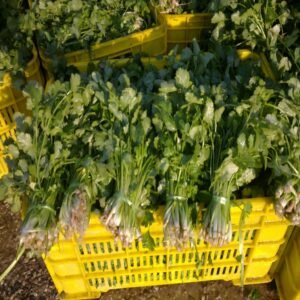
Standard Cilantro: The common fresh variety with soft, bright green leaves and strong aroma.
Slow-Bolt Cilantro: A heat-tolerant variety that resists flowering, ideal for warm climates.
Vietnamese Coriander: A more peppery, pungent alternative used in Southeast Asian cuisines.
Storage:
Refrigeration: Best stored upright in a glass of water covered loosely with plastic, or wrapped in a damp paper towel in the fridge. Stays fresh for up to a week.
Freezing: Can be chopped and frozen in oil or water using ice cube trays, though the texture may change.
Sustainability:
Cilantro is a fast-growing herb that requires minimal resources and space. It’s often grown organically and regenerates quickly, making it a sustainable and eco-friendly option for both home gardeners and commercial growers.