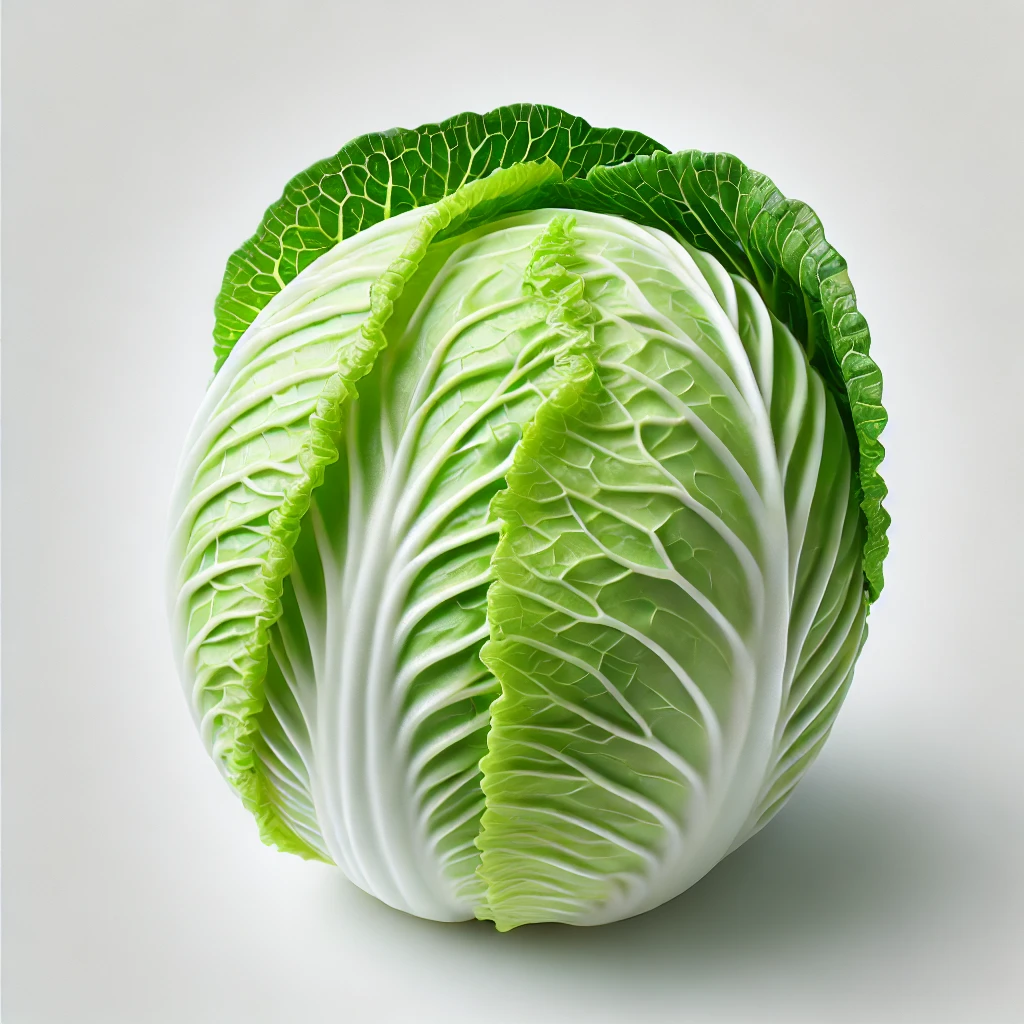
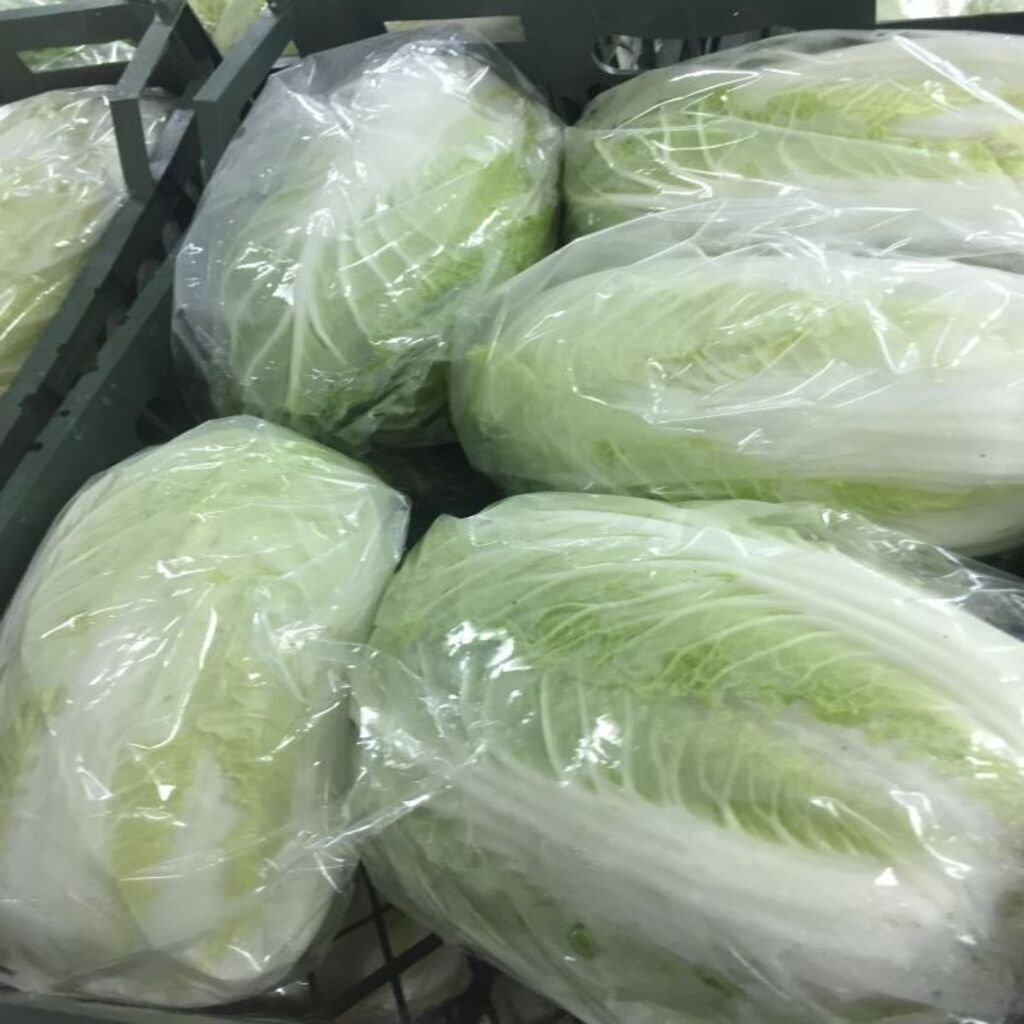
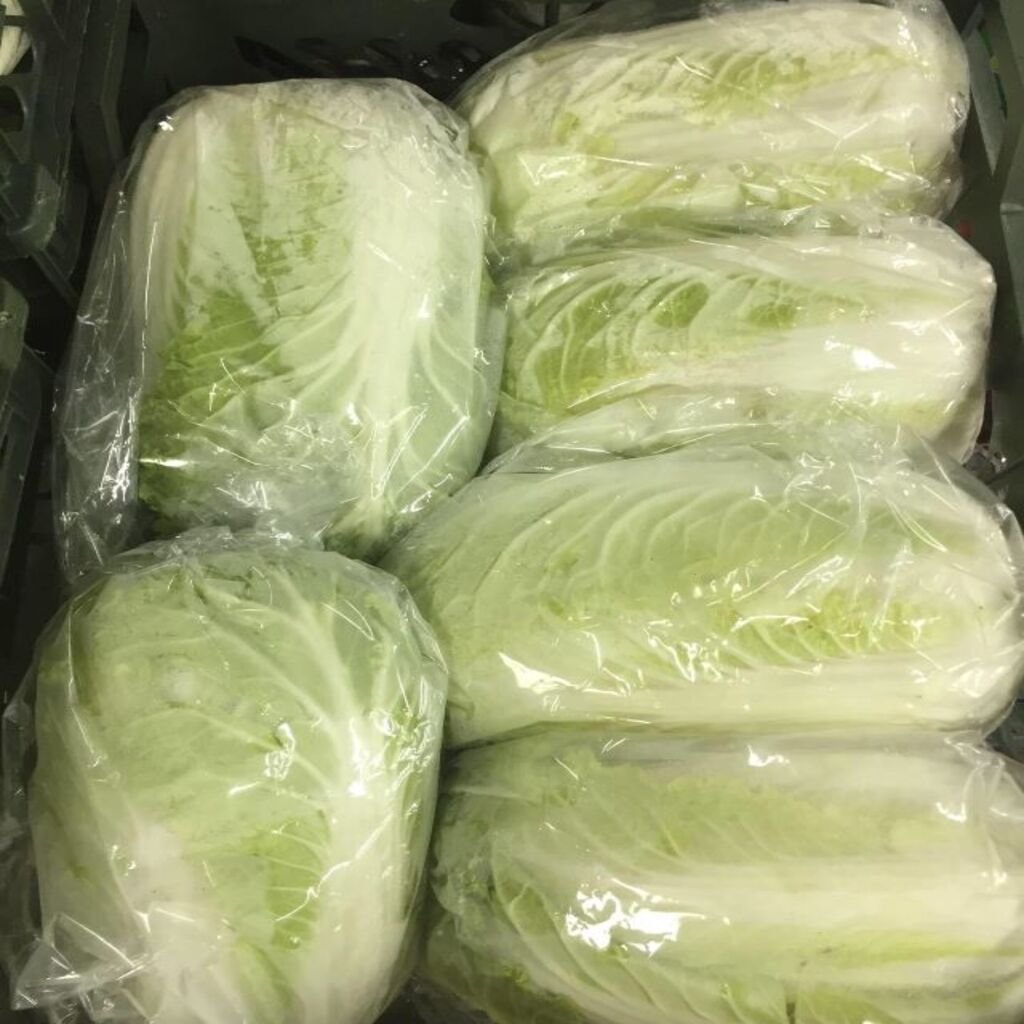
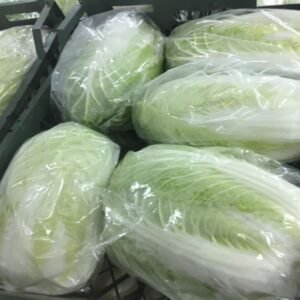
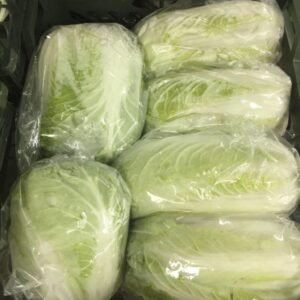
Chinese cabbage, also known as Napa cabbage, is a type of leafy vegetable that is widely used in East Asian cuisine. It has a mild, slightly sweet flavor and is a versatile vegetable that can be eaten both raw and cooked.
Appearance: Chinese cabbage has light green, crisp, and tender leaves. The outer leaves are broad, while the inner leaves form a tight, cylindrical head.
Texture: The leaves are crunchy and have a watery texture, making them refreshing when eaten raw. The ribs of the cabbage are crunchy, while the leafy part is tender.
Flavor: The flavor is mild and sweet, much less bitter than other types of cabbage, making it ideal for salads, stir-fries, soups, and pickled dishes.
Nutritional Benefits:
Vitamins: Chinese cabbage is an excellent source of vitamin C, vitamin K, and vitamin A, essential for boosting immunity, bone health, and skin health.
Low in Calories: It is a low-calorie vegetable, making it a great addition to any diet aimed at weight management.
High in Fiber: The cabbage is rich in fiber, which supports digestion and helps maintain healthy cholesterol levels.
Antioxidants: Contains antioxidants like beta-carotene, lutein, and other phytonutrients that help combat oxidative stress and inflammation in the body.
Health Benefits:
Promotes Digestion: The fiber content in Chinese cabbage promotes healthy digestion and helps prevent constipation.
Heart Health: It can contribute to better cardiovascular health by reducing inflammation and maintaining healthy cholesterol levels.
Boosts Immune System: Rich in vitamin C, Chinese cabbage helps support the immune system and fight off infections.
Bone Health: The presence of vitamin K and calcium makes it beneficial for maintaining bone density and strength.
Culinary Uses:
Salads: Chinese cabbage can be eaten raw in salads, providing a crunchy texture and mild flavor.
Stir-Fries: Often used in stir-fries, it cooks quickly and retains its texture while absorbing the flavors of the sauce.
Soups: It is frequently added to soups and broths in East Asian cuisine, such as Korean kimchi stew and Chinese hot pot.
Kimchi: Chinese cabbage is the primary ingredient in Kimchi, a fermented Korean dish that is spicy and tangy.
Pickles: It can also be pickled or fermented, preserving its nutrients while enhancing its flavor.
Seasonality:
Availability: Chinese cabbage is typically available year-round in most regions. However, it is in peak season during the cooler months (fall and winter).