Key Features:
Nutrition: High in vitamins K and C, folate, and potassium, while being very low in calories and carbohydrates. It’s also over 90% water, making it great for hydration.
Antioxidants: Contains flavonoids, beta carotene, and other compounds that help reduce oxidative stress and support cellular health.
Health Benefits: Promotes heart health, supports digestion, may help lower blood pressure, and assists in weight management due to its high water and fiber content.
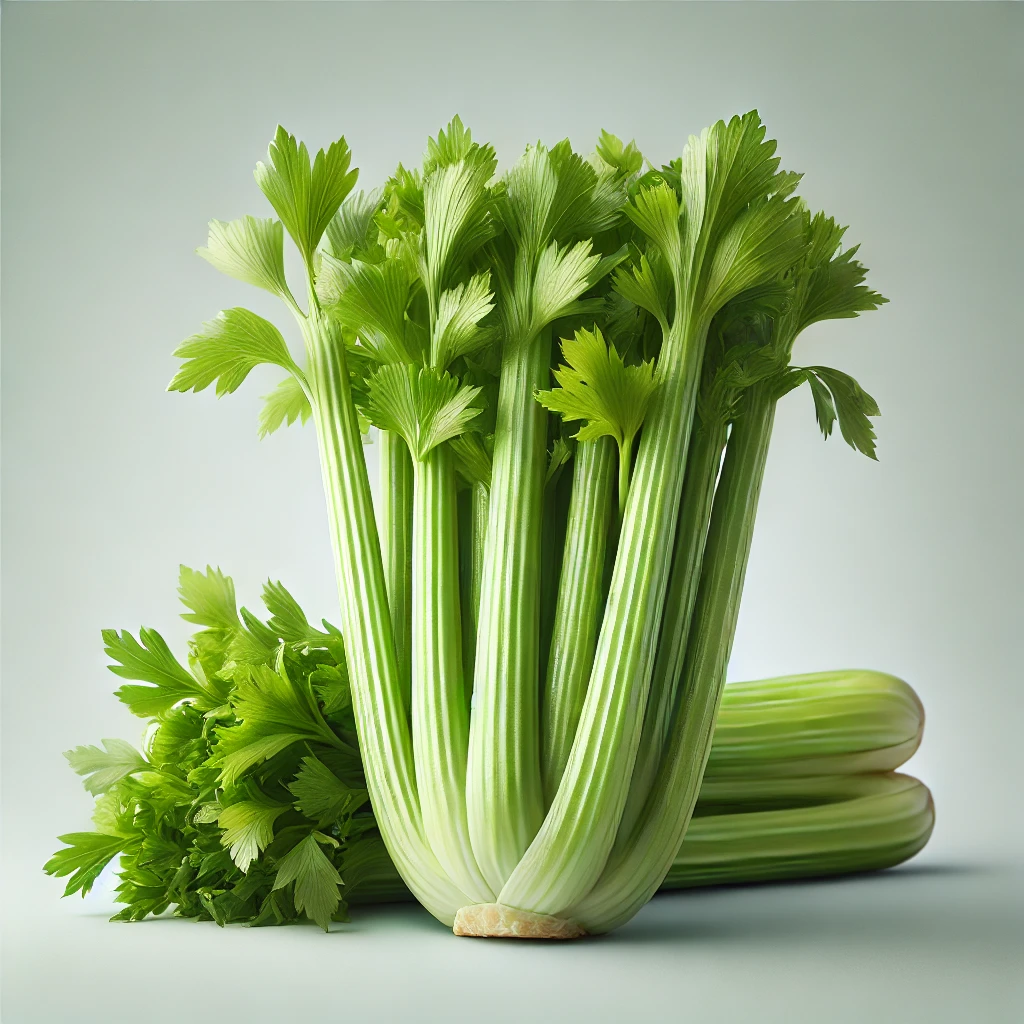
Cooking: Commonly eaten raw as a snack or in salads, but also used in soups, stews, stir-fries, and juicing. The leaves and seeds are also edible and aromatic.
Seasonality: Available year-round, but most abundant and flavorful in cooler seasons from late fall to early spring.
Uses:
Culinary: Used raw in salads and with dips, or cooked in soups, casseroles, and stir-fries. Also popular in juices and detox drinks.
Health: Frequently included in weight loss and cleansing diets due to its low calories and high fiber.
Varieties:
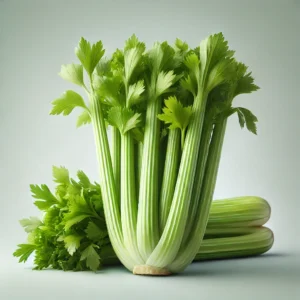
Pascal Celery: The most common type with thick, pale green stalks.
Golden Celery: Milder and more tender, often grown under shade.
Leaf Celery: More flavorful, used as an herb rather than a vegetable.
Storage:
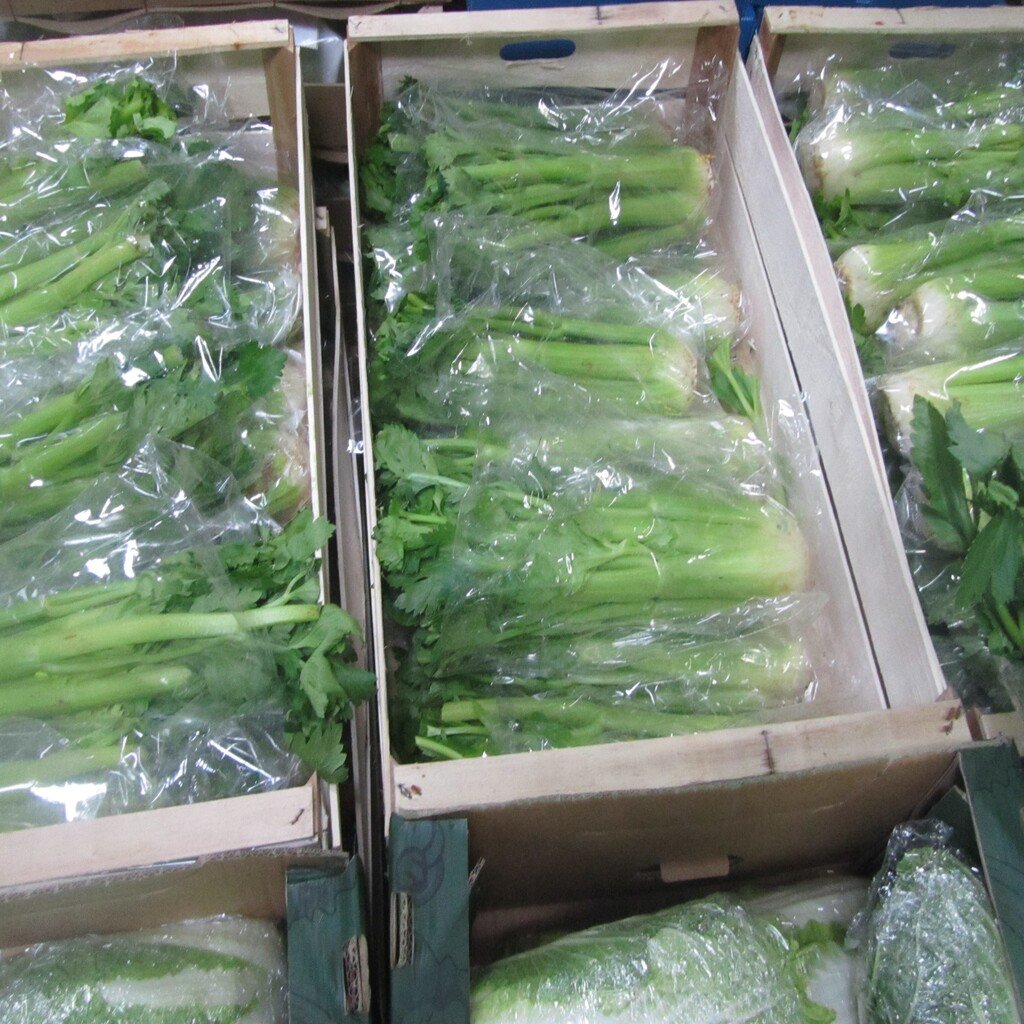
Refrigeration: Wrap in aluminum foil or keep in a sealed bag in the fridge. Stays crisp for up to 1–2 weeks.
Freezing: Can be chopped and frozen after blanching, though texture softens when thawed.
Sustainability:
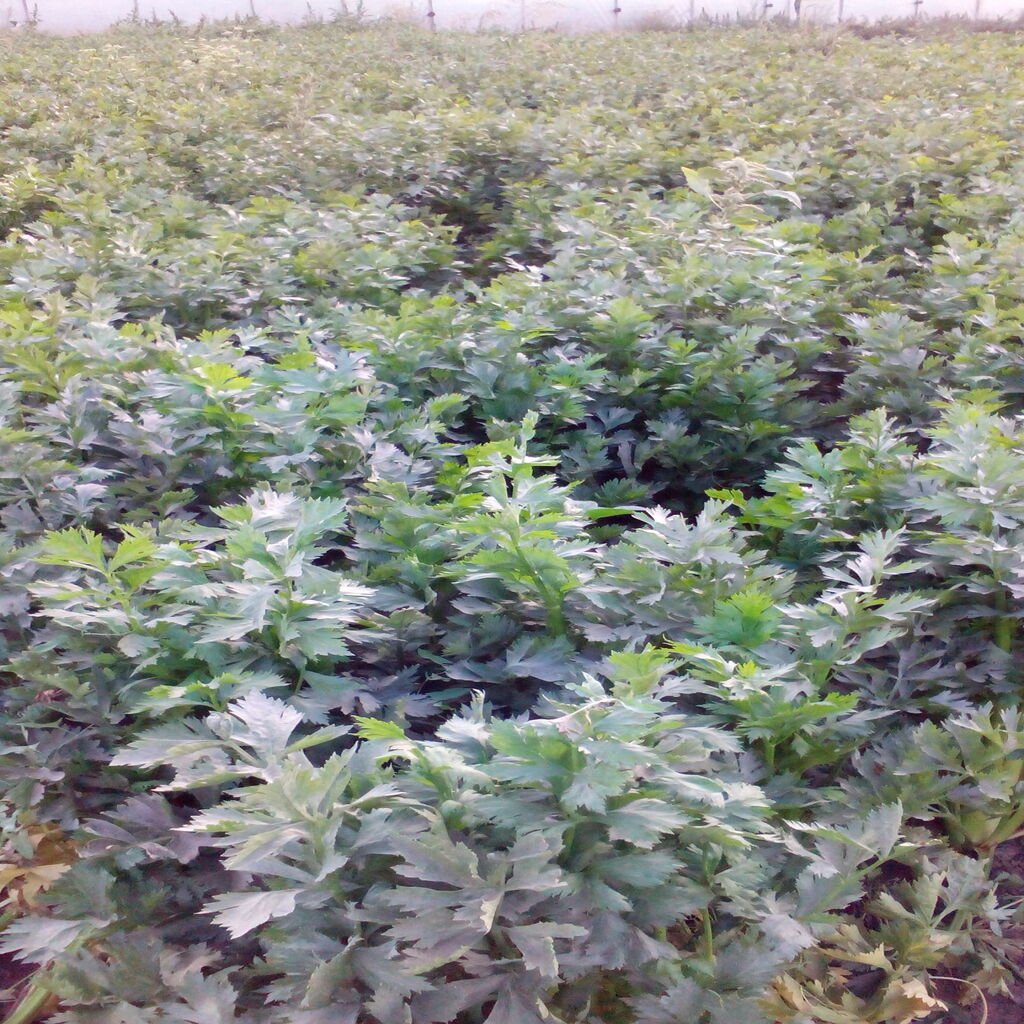
Celery grows relatively quickly in moist environments and can be cultivated in many regions. It’s often grown with minimal pesticide use and generates little waste, making it a sustainable vegetable option.