Key Features:
Nutrition: Rich in vitamins C and K, folate, and fiber, while being low in calories and carbs, making it an ideal option for weight management and overall wellness.
Antioxidants: Contains compounds like glucosinolates and isothiocyanates, which help protect against inflammation and certain chronic diseases.
Health Benefits: Supports immune function, promotes heart and digestive health, and may help reduce the risk of cancer. Its high fiber content aids in maintaining gut health.
Cooking: Can be roasted, steamed, boiled, mashed, or eaten raw. Commonly used as a low-carb substitute for rice, pizza crust, or mashed potatoes.
Seasonality: Available year-round but is typically in peak season from September to November.
Uses:
Culinary: Used in a variety of dishes including soups, stir-fries, casseroles, and as a meat or carb substitute in vegan and keto diets.
Health: Frequently included in detox, gluten-free, and low-carb meal plans due to its nutritional value and versatility.
Varieties:
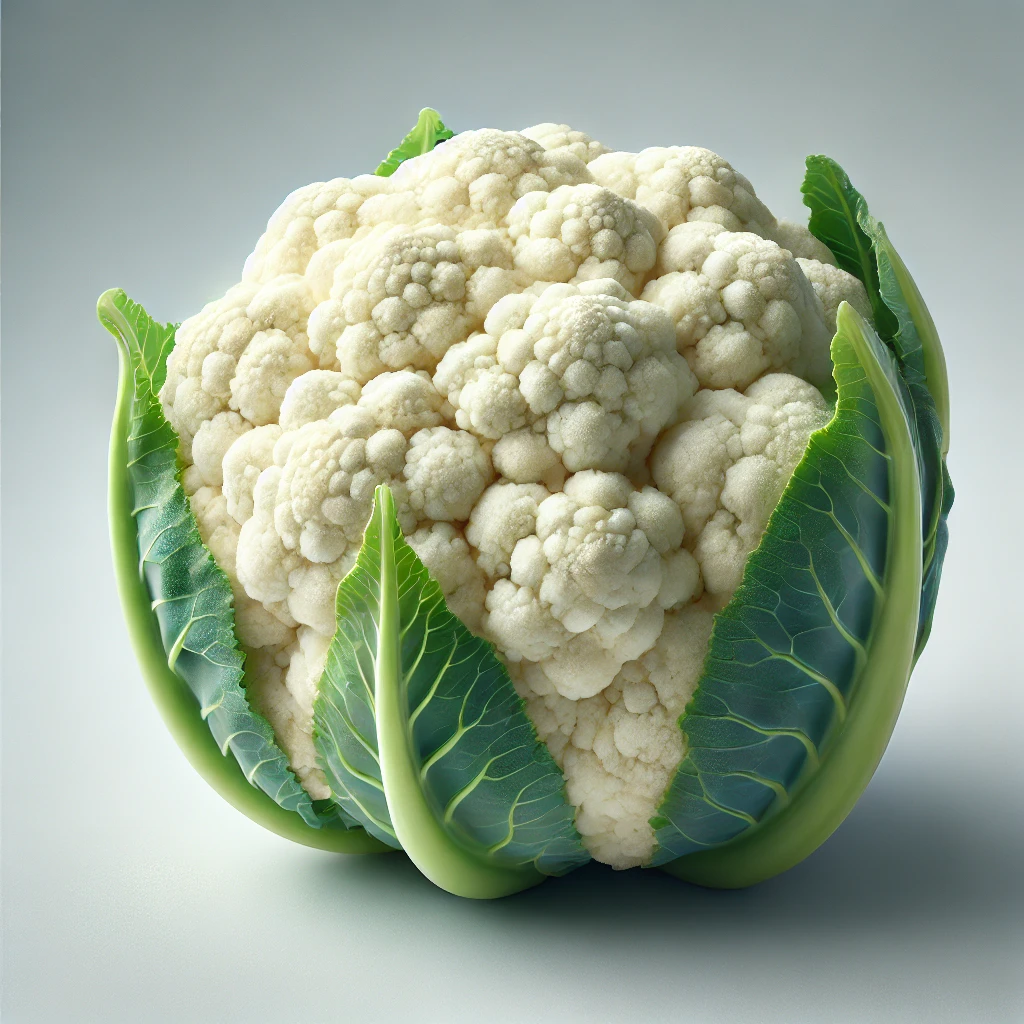
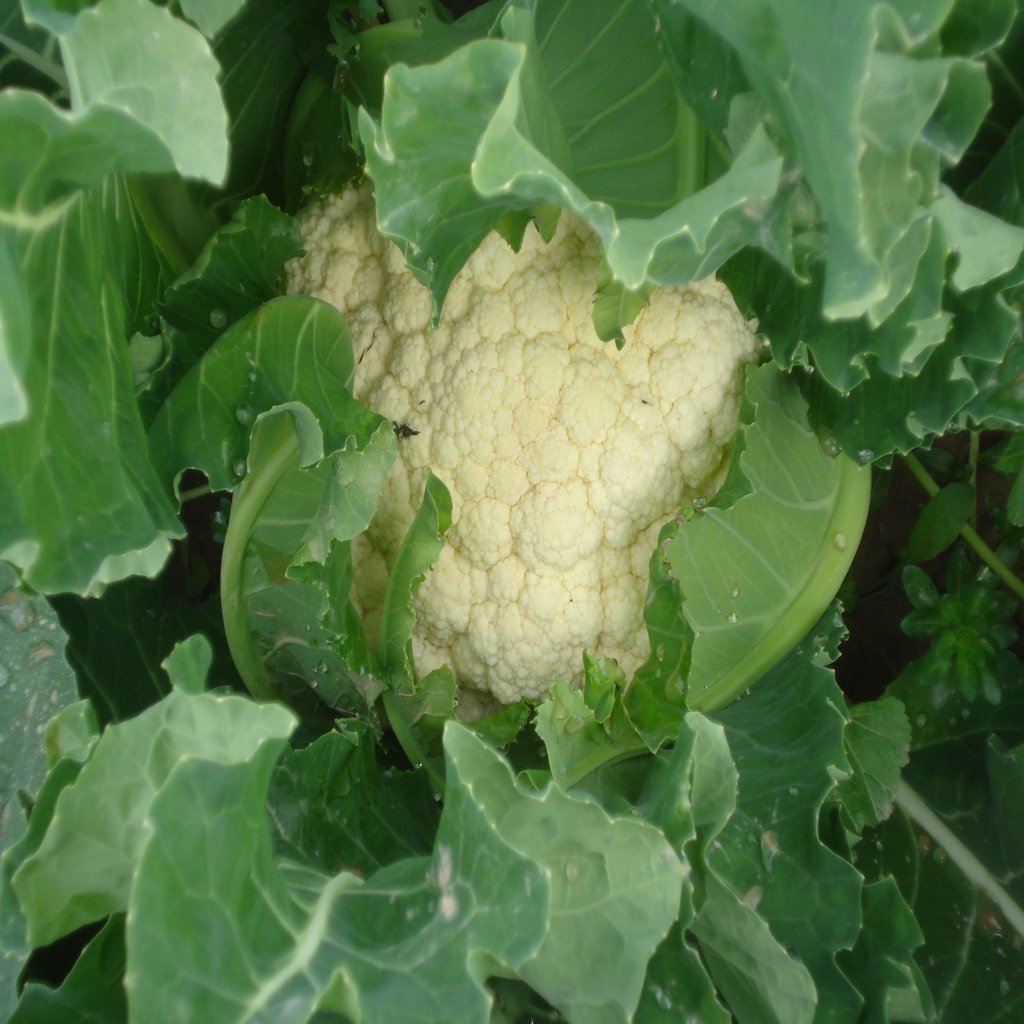
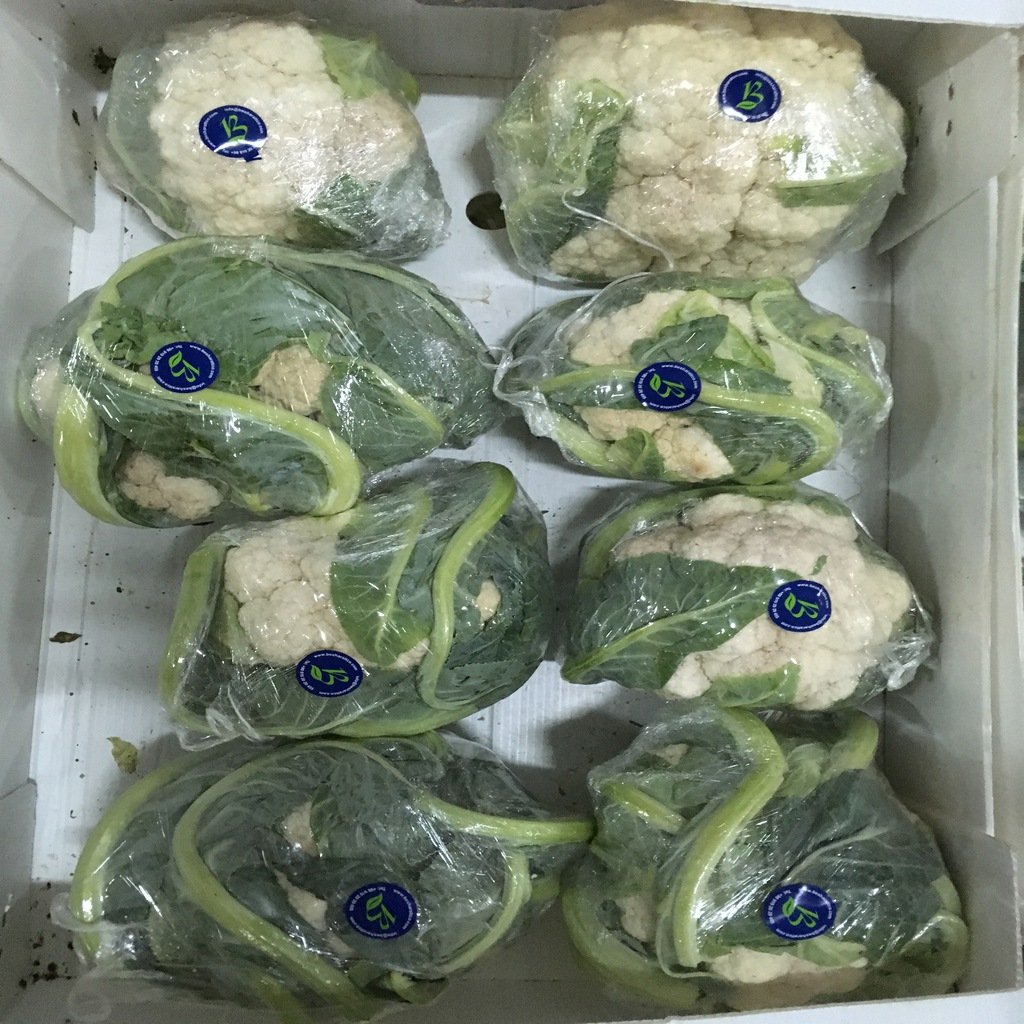
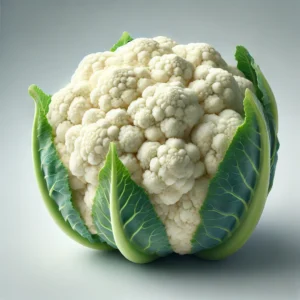
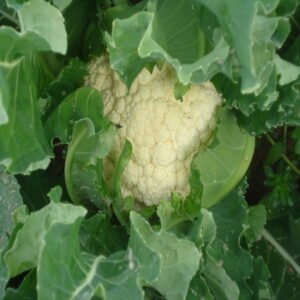
White Cauliflower: The most common variety with dense white heads.
Orange Cauliflower: Contains beta-carotene and has a slightly sweeter flavor.
Purple Cauliflower: Rich in anthocyanins, offering additional antioxidants and vibrant color.
Romanesco: A fractal-patterned variety with a nutty flavor, often used decoratively.
Storage:
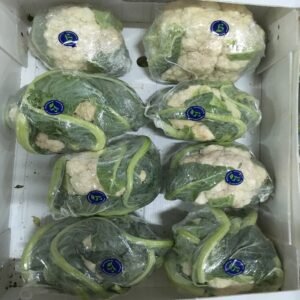
Refrigeration: Should be stored in a perforated plastic bag in the refrigerator. Stays fresh for up to 5–7 days.
Freezing: Can be blanched and frozen for long-term use in cooked dishes.
Sustainability:
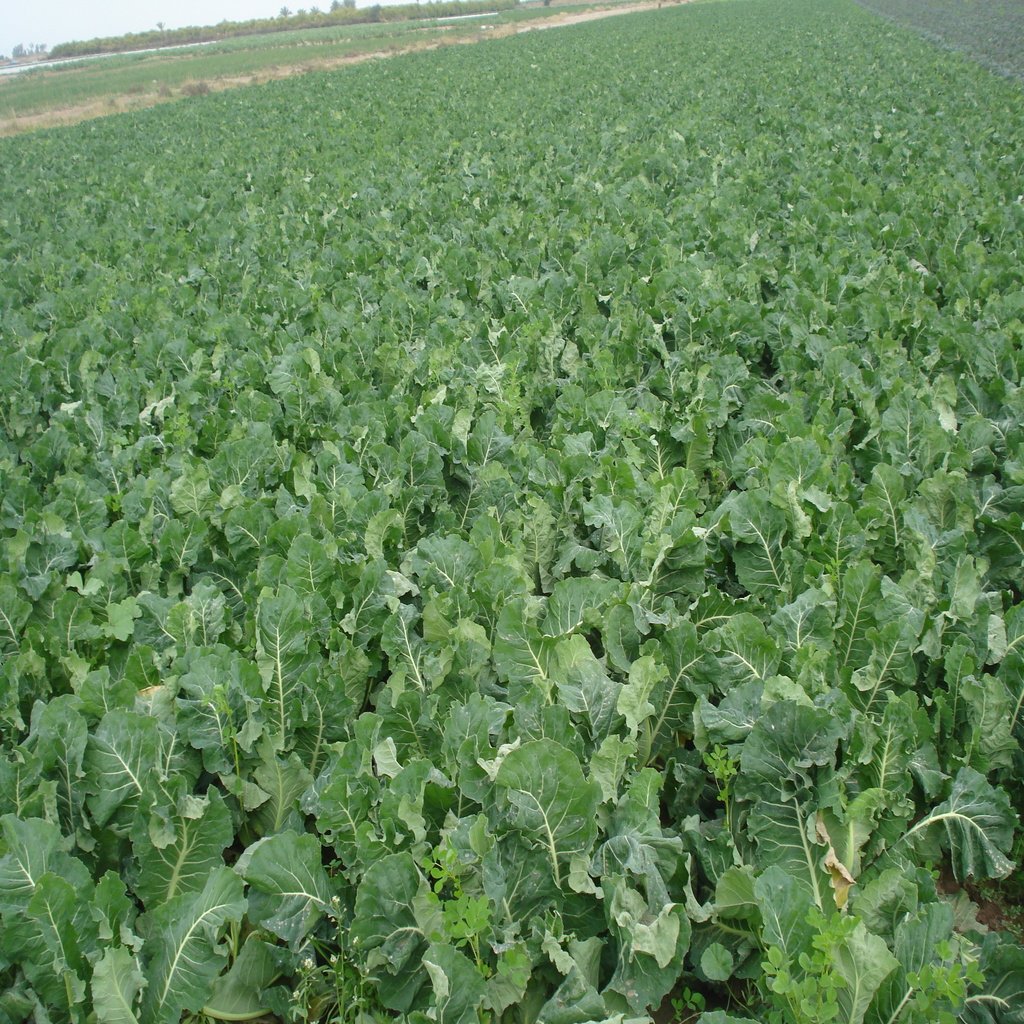
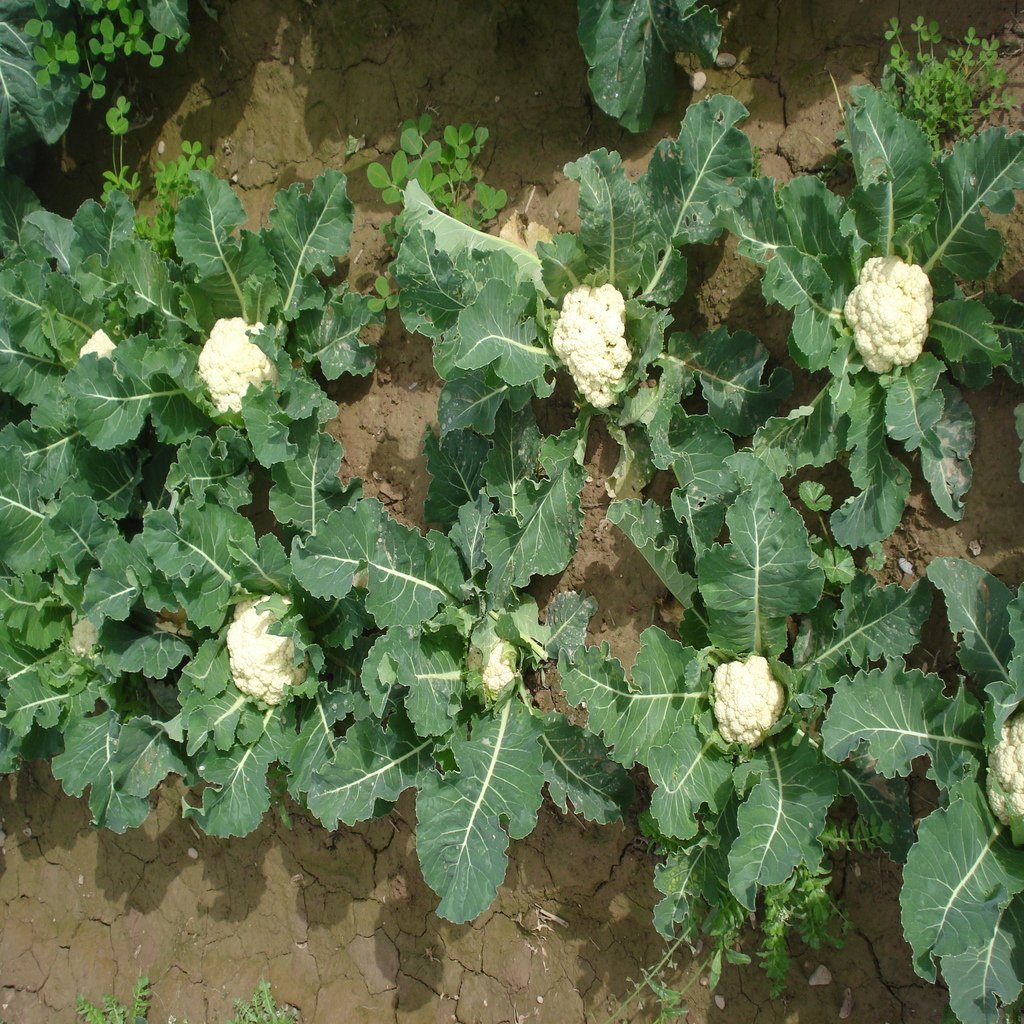
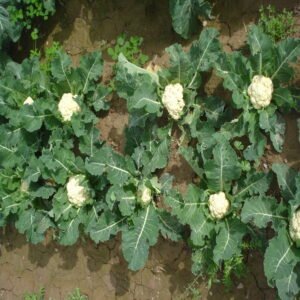
Cauliflower is a cool-season crop that can be grown efficiently with moderate water and care. It is widely cultivated and can be grown in various climates, making it a relatively sustainable vegetable choice.