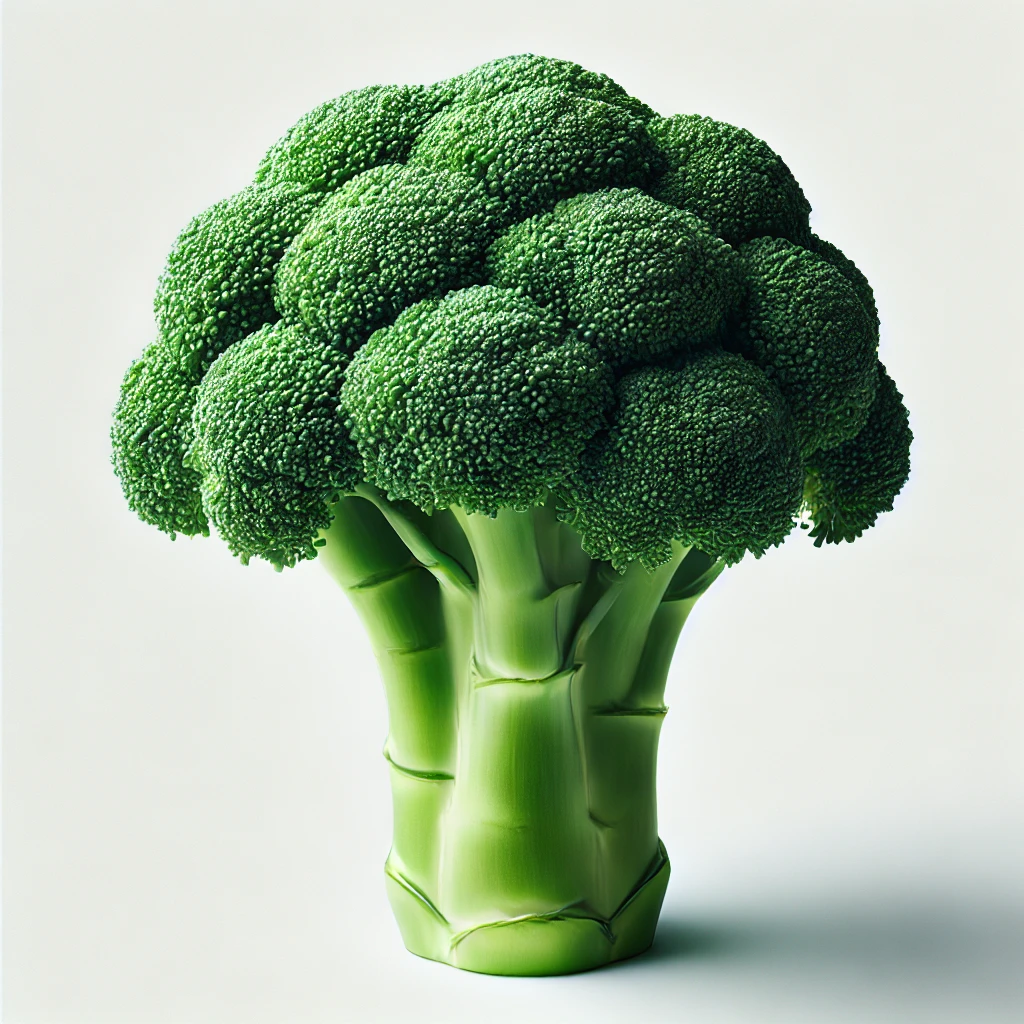
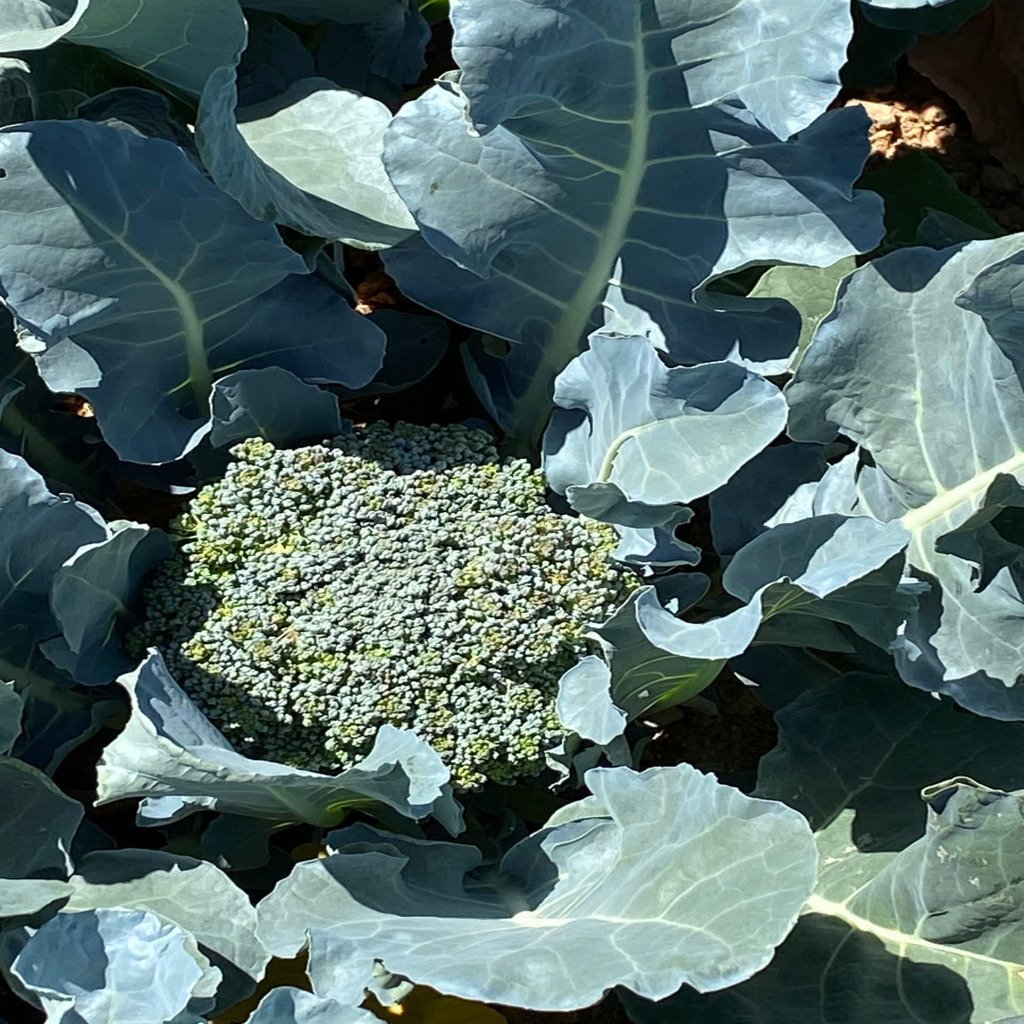
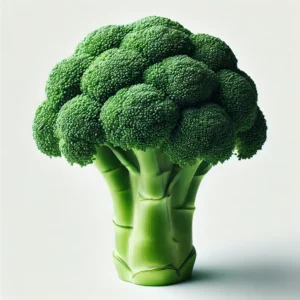
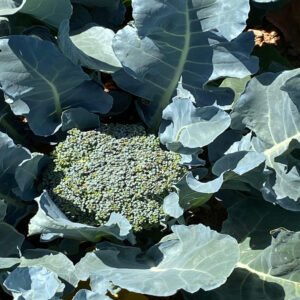
Broccoli is a nutritious vegetable belonging to the cabbage family, scientifically known as Brassica oleracea. It’s known for its tree-like structure with a thick stem and clusters of green florets. Here are some key points about broccoli:
Nutrition: Rich in vitamins C, K, and A, folate, and fiber, making it an excellent choice for boosting immune function and promoting digestive health.
Antioxidants: Contains compounds like sulforaphane, which have potential anti-inflammatory and cancer-fighting properties.
Health Benefits: Supports heart health, bone health, and may improve digestion. It is also known to help reduce the risk of chronic diseases like heart disease, cancer, and diabetes.
Cooking: Can be eaten raw, steamed, boiled, roasted, or stir-fried. The vegetable retains most of its nutrients when steamed.
Seasonality: Available year-round but is typically in peak season from October to April.
Uses:
Culinary: Commonly used in salads, stir-fries, soups, casseroles, and as a side dish.
Health: Often featured in health-conscious diets due to its high nutrient density and low-calorie content.
Varieties:
Calabrese Broccoli: The most common variety, with large green heads.
Romanesco Broccoli: Recognized for its fractal pattern, often used for aesthetic dishes.
Purple Broccoli: A less common, purple variety, known for its slightly milder flavor.
Storage:
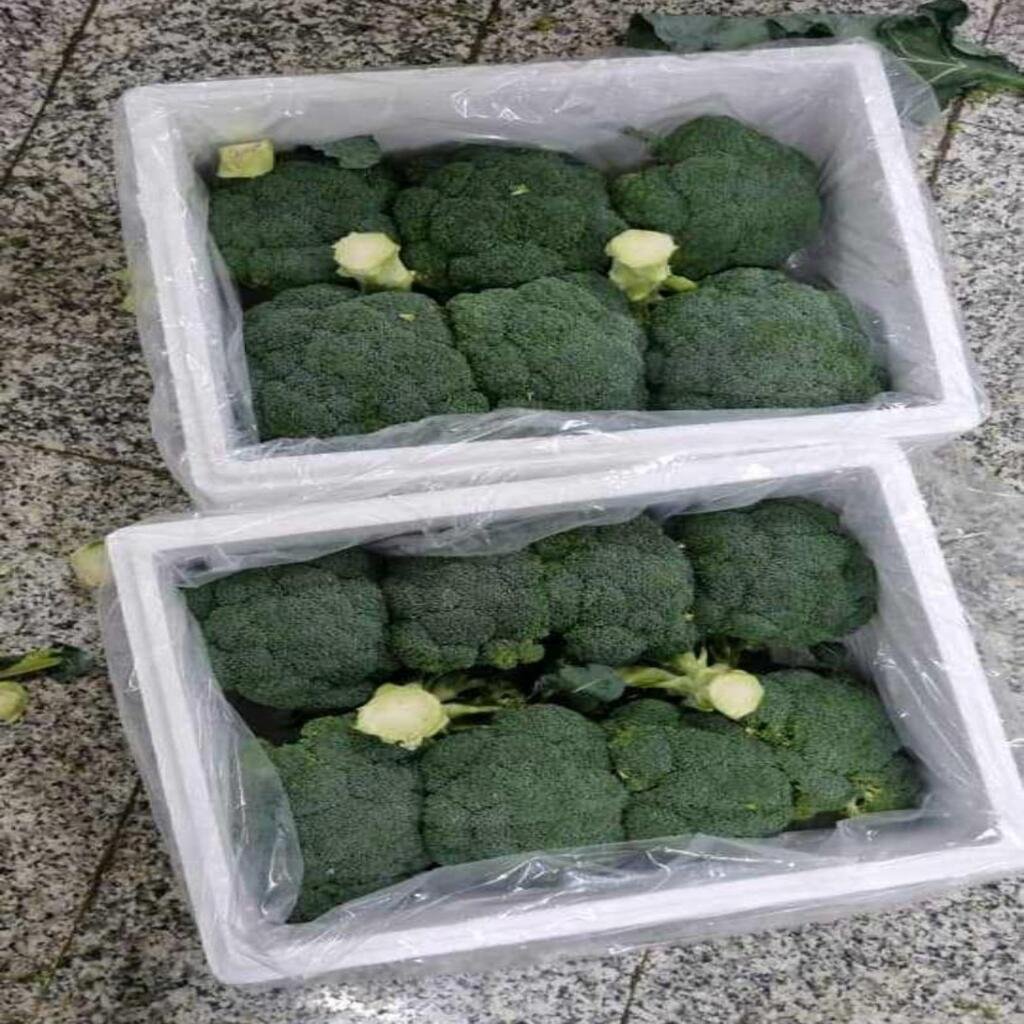
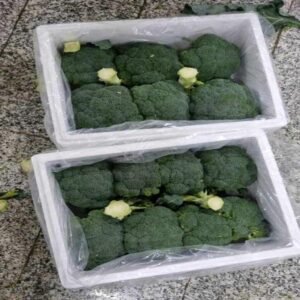
Refrigeration: Broccoli should be stored in the refrigerator, ideally in a plastic bag with holes to maintain its freshness for 3–5 days.
Freezing: Can be blanched and frozen for long-term storage.
Sustainability:
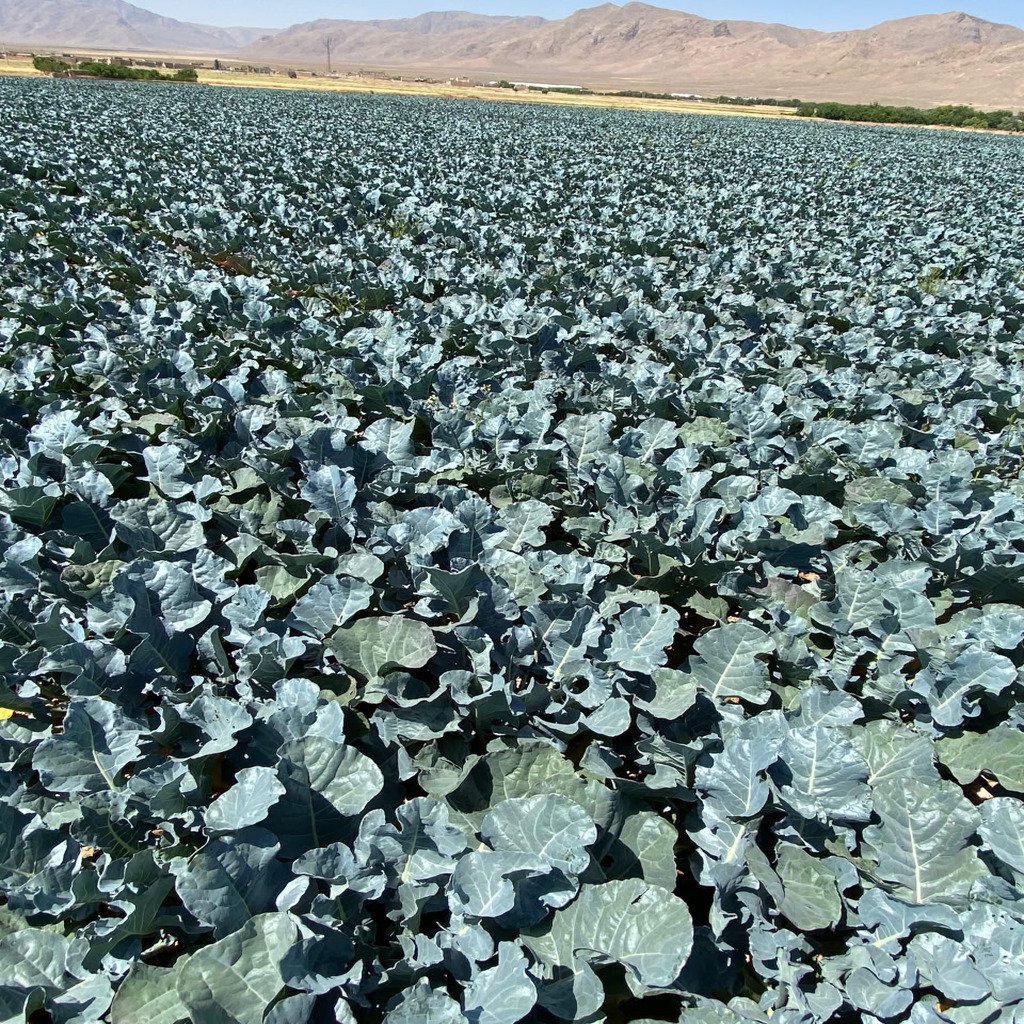
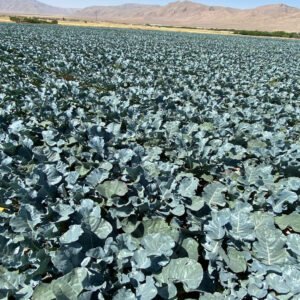
Broccoli is considered an environmentally friendly crop, as it requires less water compared to some other vegetables, and it can be grown in various climates.