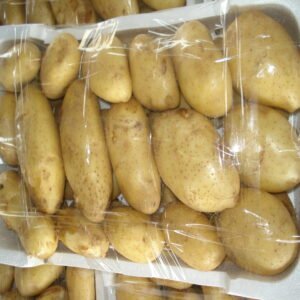
Key Features:
Nutrition: A good source of carbohydrates, potassium, vitamin C, and B6. Contains fiber—especially when eaten with the skin—and small amounts of protein.
Antioxidants: Contains flavonoids, carotenoids, and phenolic acids that help neutralize harmful molecules in the body.
Health Benefits: Supports energy production, aids in digestion, and helps regulate blood pressure due to its high potassium content.
Cooking: Extremely versatile. Can be boiled, baked, mashed, roasted, or fried. Pairs well with herbs, cheese, butter, or various spices.
Seasonality: Available year-round, though freshly harvested (new) potatoes are most common from early summer to early fall.
Uses:
Culinary: Widely used in mashed potatoes, fries, chips, soups, casseroles, and baked dishes. A foundational ingredient in many cuisines.
Health: Featured in balanced diets for energy and satiety. Also used in gluten-free cooking as a flour or starch substitute.
Varieties:
Russet Potato: Ideal for baking and frying due to its fluffy texture.
Red Potato: Waxy and firm, perfect for salads and roasting.
Yellow Potato: Creamy texture, great for mashing and sautéing.
Purple Potato: Rich in antioxidants, slightly nutty in flavor.
Storage:
Room Temperature: Store in a cool, dark, well-ventilated place. Avoid storing in the refrigerator, as it can convert starch to sugar.
Long-Term: Can be kept for several weeks when stored properly. Avoid exposure to light to prevent greening or sprouting.
Sustainability:
Potatoes are considered a resource-efficient crop, yielding more food per unit of water than many other staples. They grow in diverse climates and are often produced with minimal environmental impact when responsibly farmed.