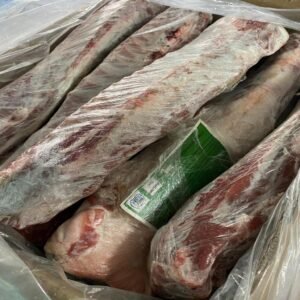
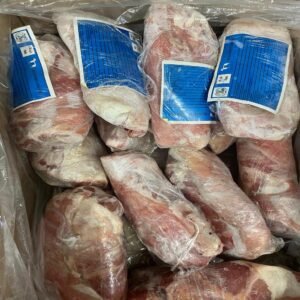
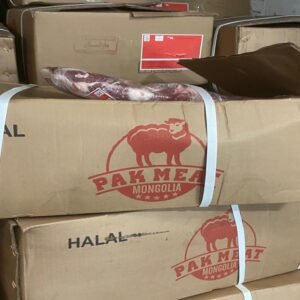
Key Features:
Nutrition: High in protein, iron, zinc, and B vitamins (especially B12). Supports muscle growth, red blood cell production, and overall energy metabolism.
Antioxidants: Contains selenium and other minerals that help reduce oxidative stress and support immune health.
Health Benefits: Boosts energy levels, aids in muscle repair, and contributes to a healthy immune and nervous system when consumed in moderation.
Cooking: Can be roasted whole, braised, grilled, or slow-cooked for tender, juicy results. Popular in traditional and holiday meals.
Seasonality: Available year-round in fresh or frozen form.
Uses:
Culinary: Commonly used in roasts, kabobs, stews, and biryani. Pairs well with rosemary, garlic, lemon, and Middle Eastern spices.
Health: Featured in high-protein diets and iron-rich meal plans. Best consumed as part of a balanced diet.
Varieties:
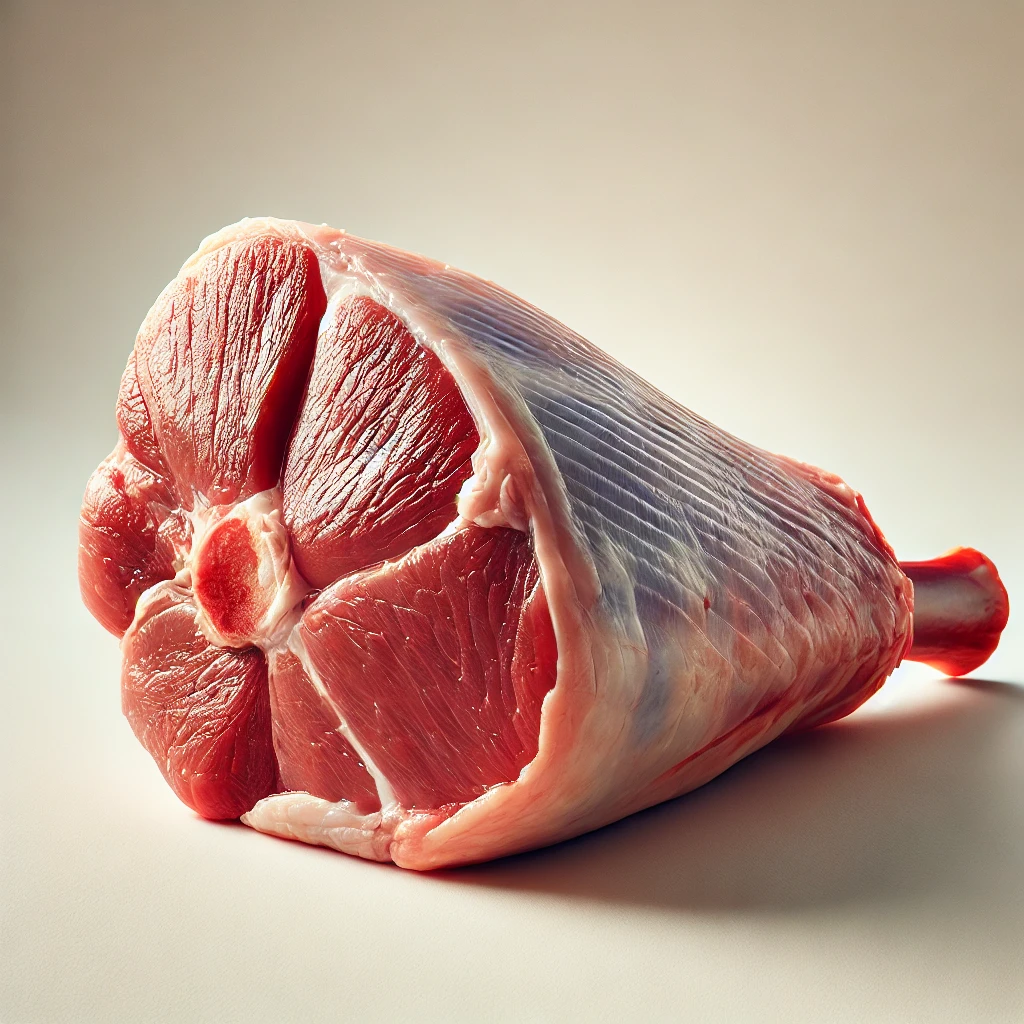
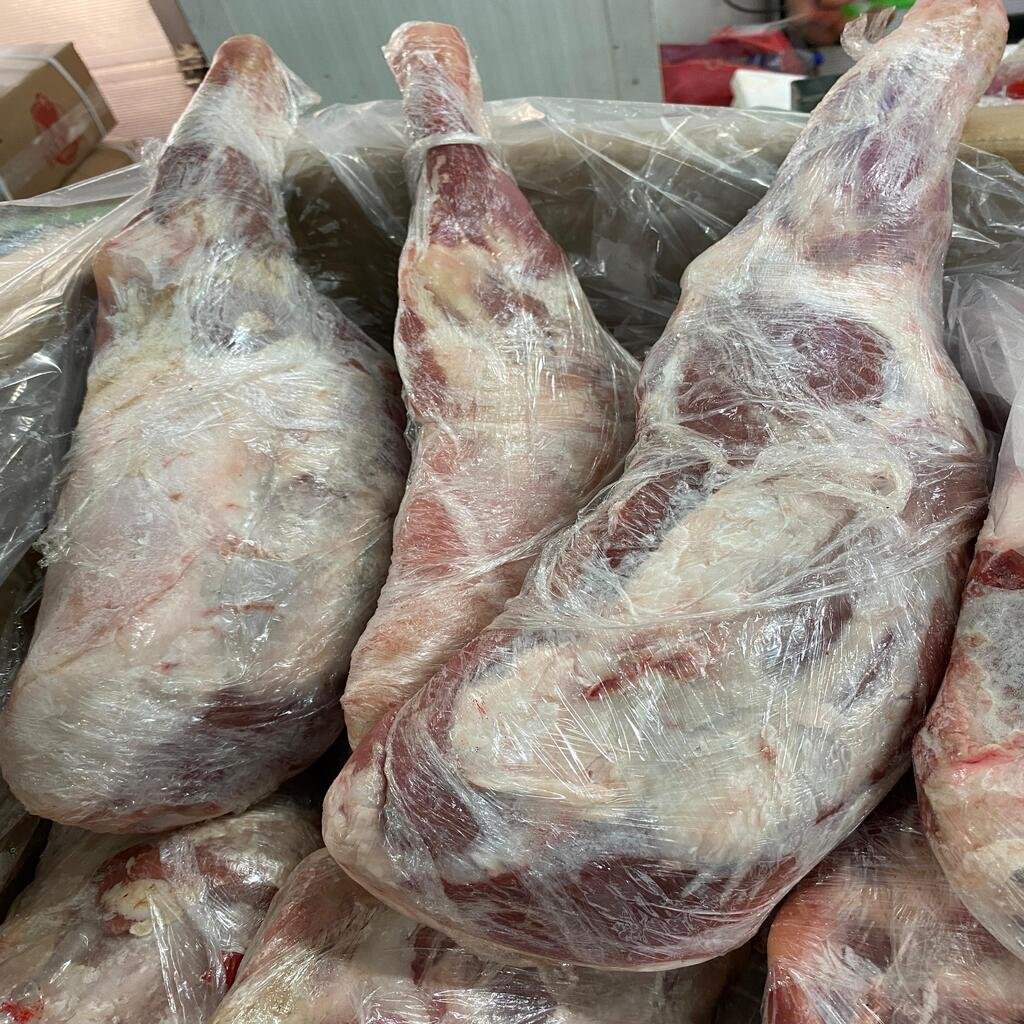
Bone-In Lamb Leg: Full flavor with natural juices; best for roasting.
Boneless Lamb Leg: Easier to slice and marinate; great for grilling or stuffing.
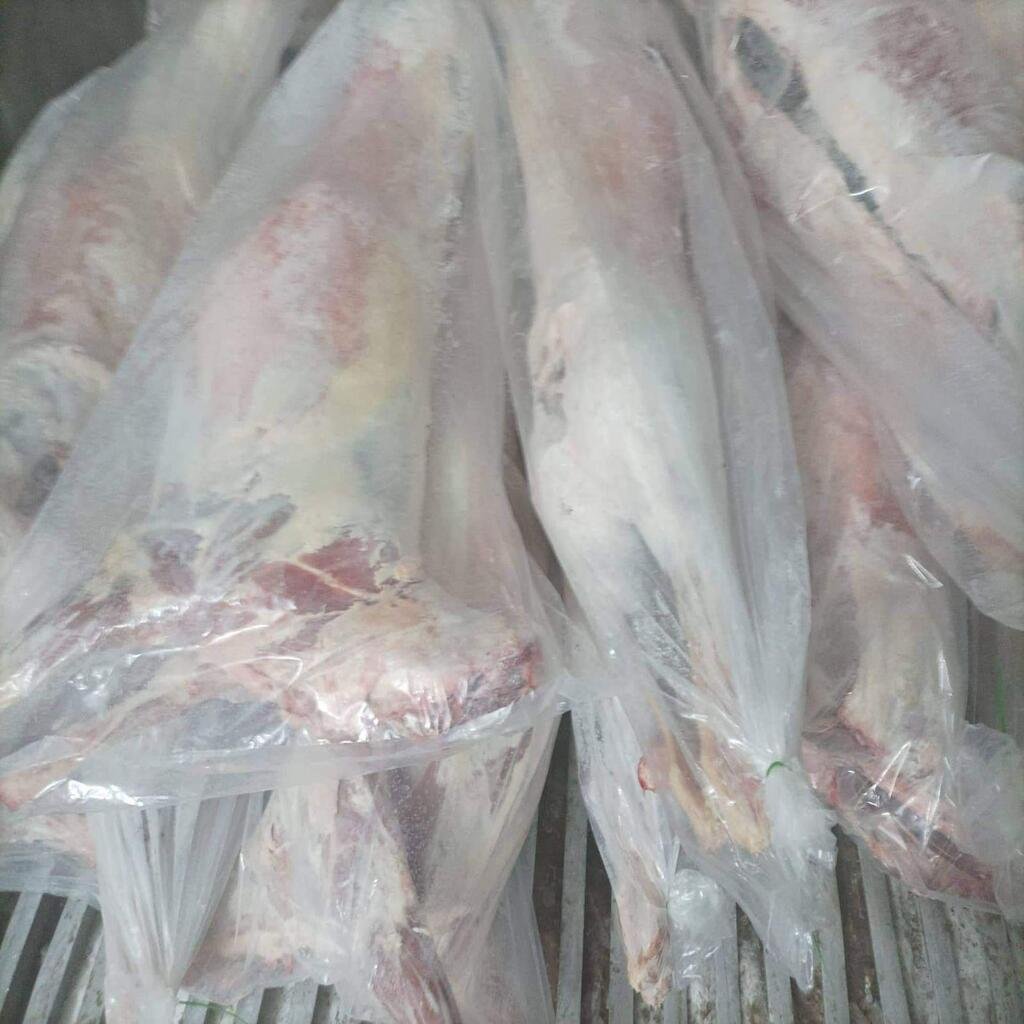
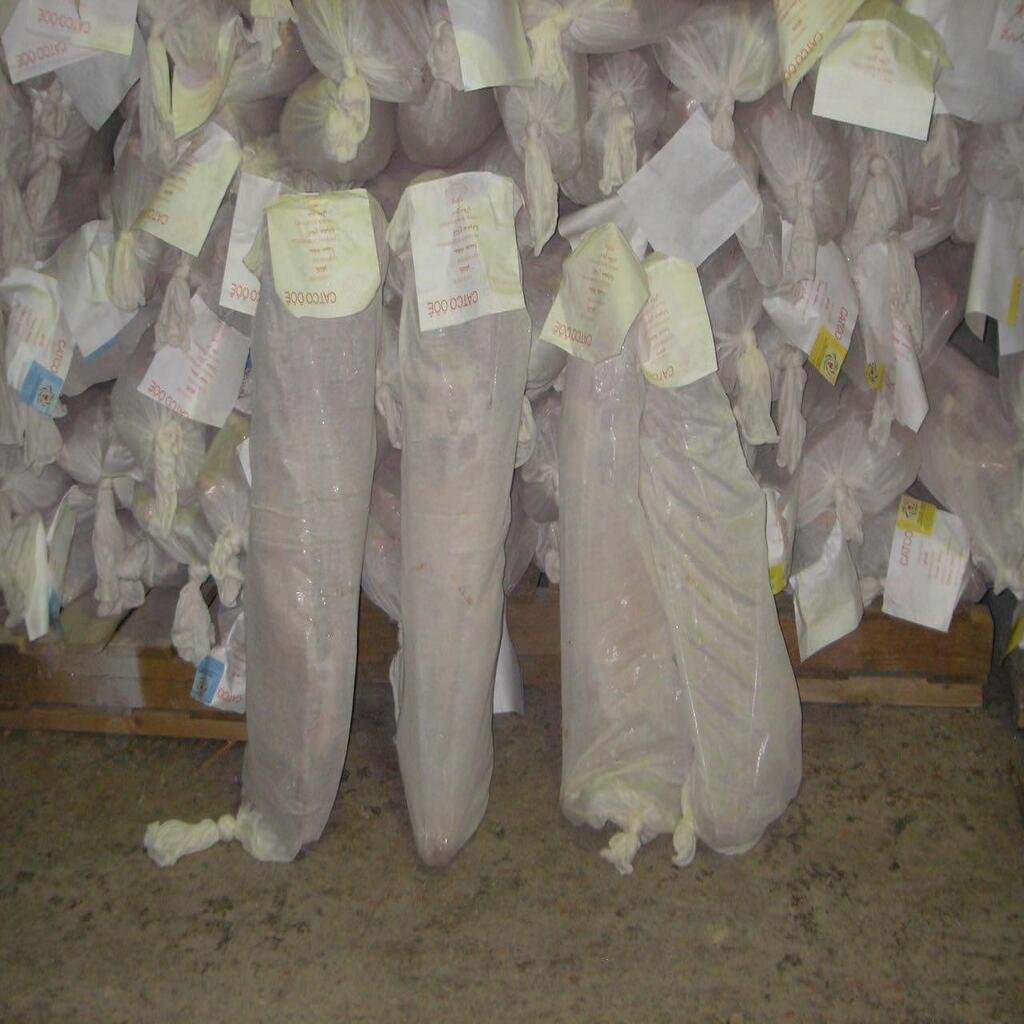
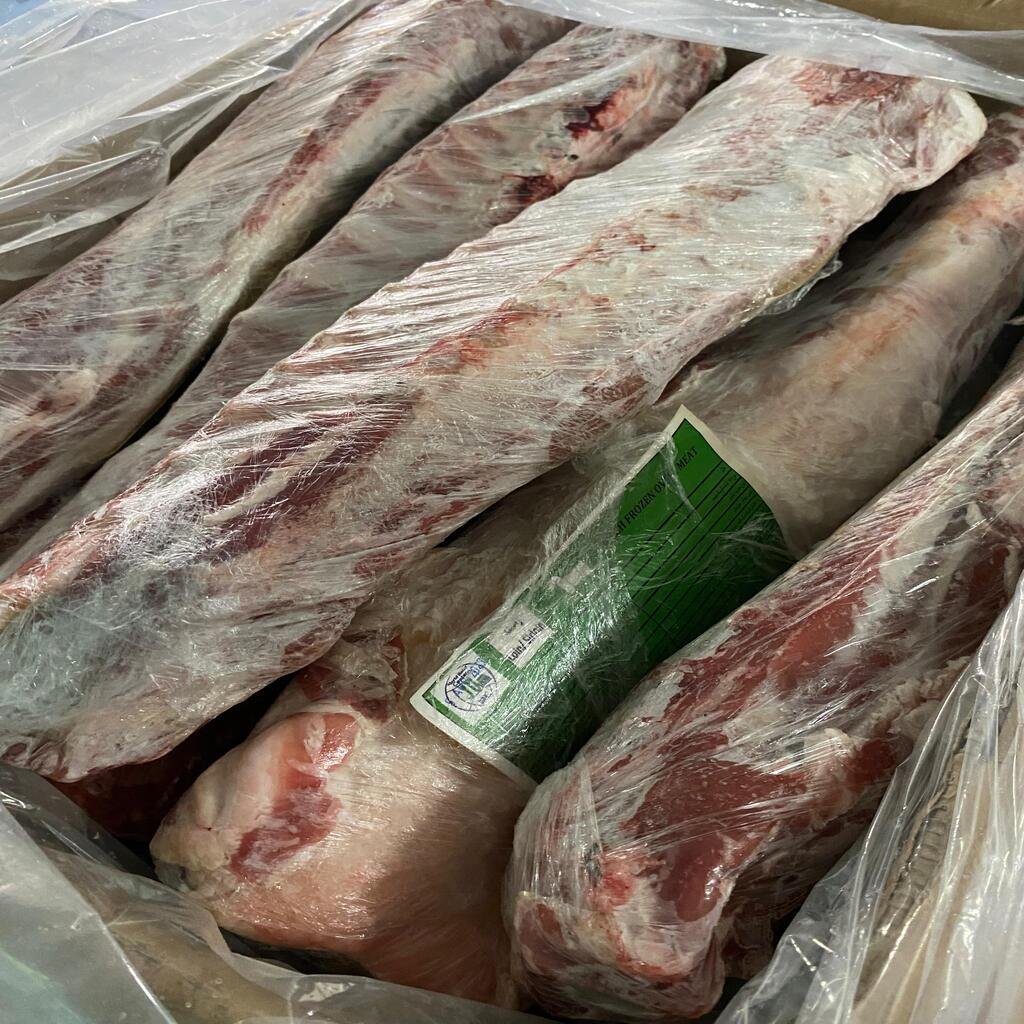
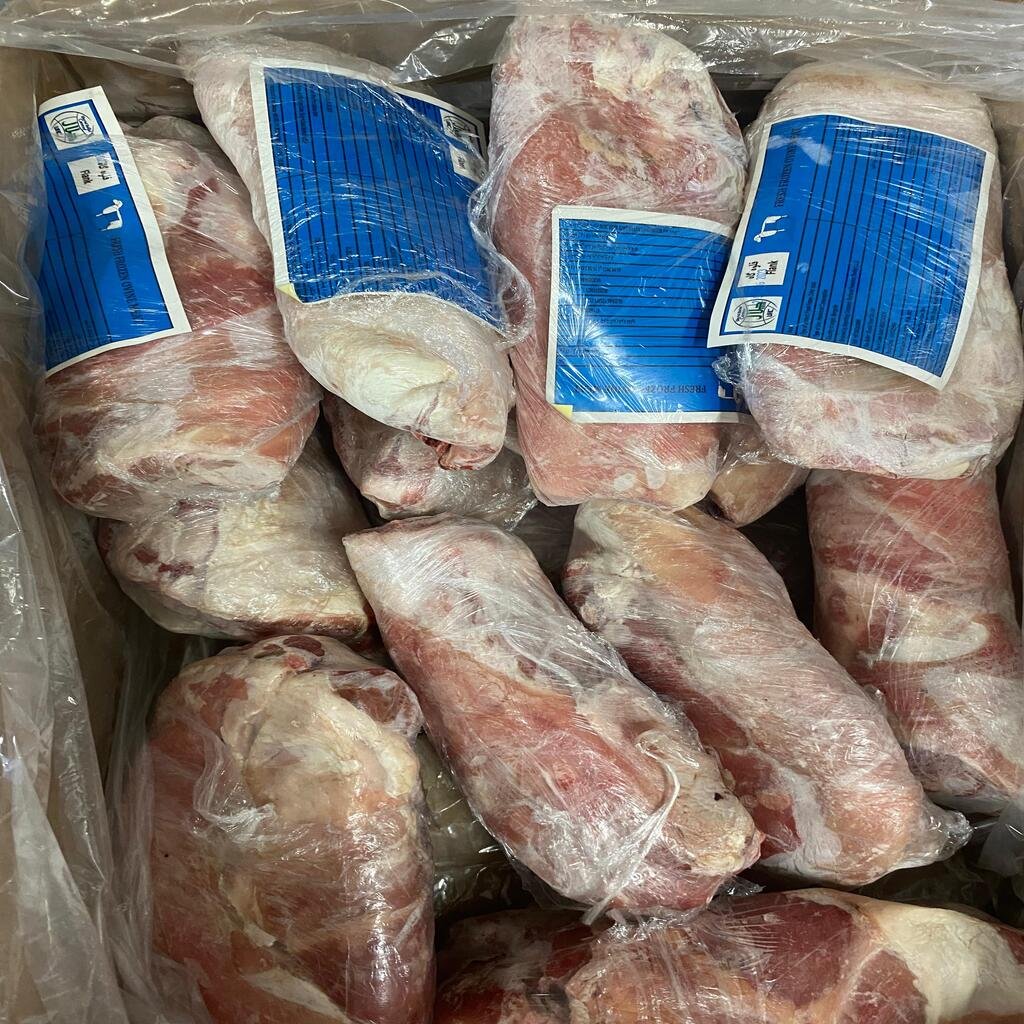
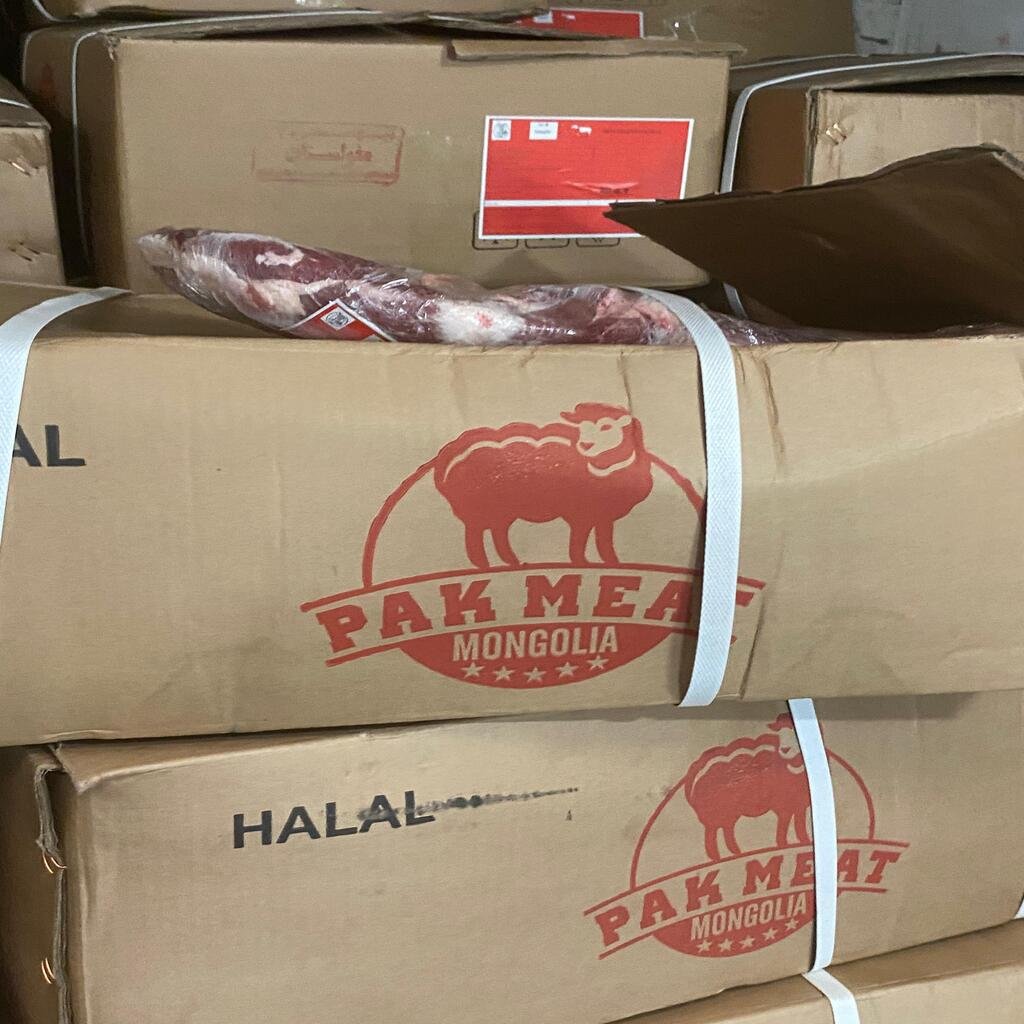
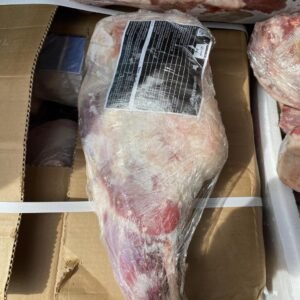
Frozen Lamb Leg: Long shelf life, ideal for storage and occasional use.
Storage:
Refrigeration: Keep chilled at 0–4°C. Use within 3–5 days of purchase if fresh.
Freezing: Can be frozen for up to 6–9 months. Thaw in the fridge for safe preparation.
Sustainability:
When sourced from grass-fed or pasture-raised lamb, it’s considered more sustainable. Proper packaging and storage reduce waste and extend shelf life.